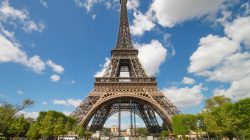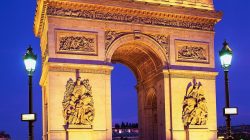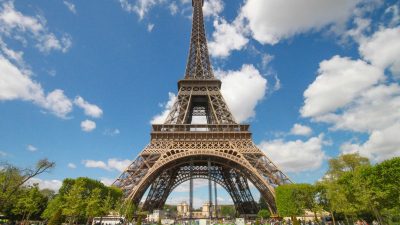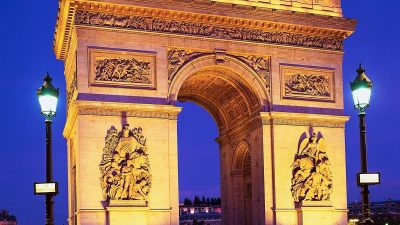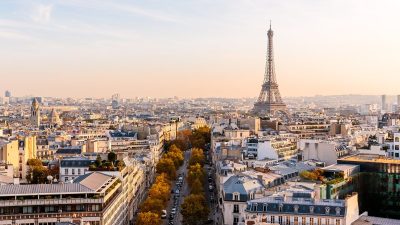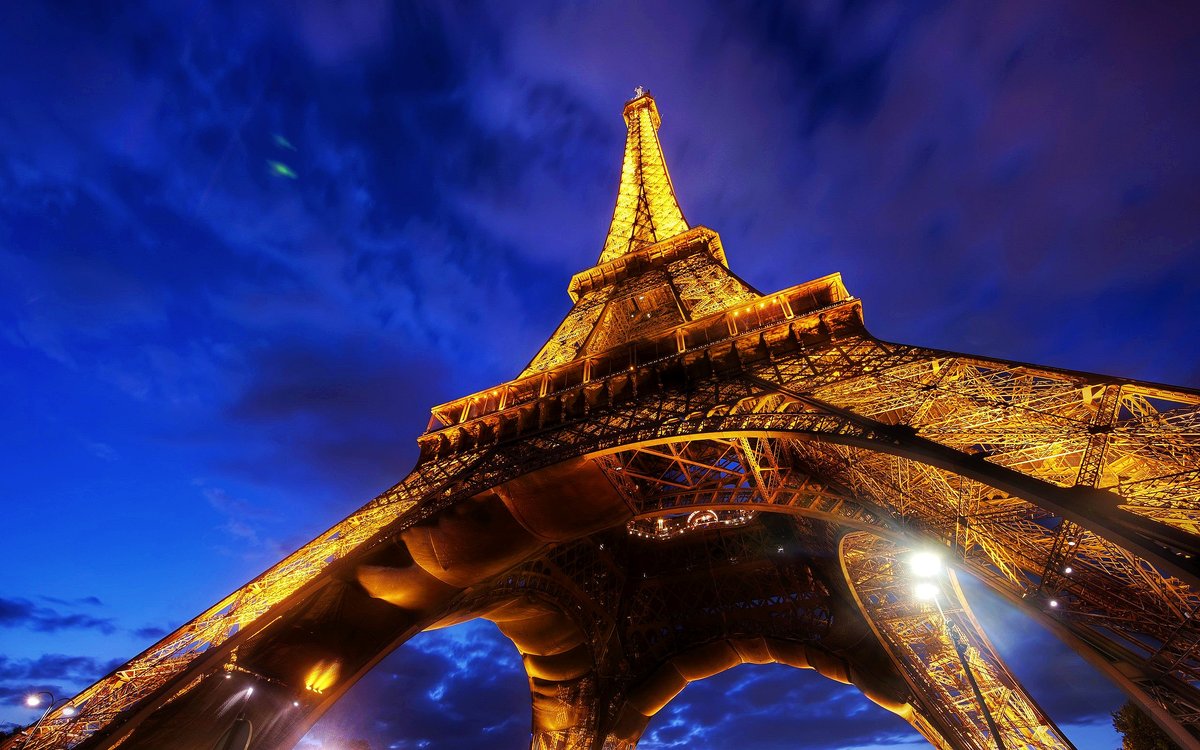
The late evening sun still hangs high in the sky, casting a golden glow over the Haussmannian buildings as the buzz from a thousand cafe terraces fills the air. This is the magic of paris france in july—a city at its most vibrant, alive, and energetic. But beneath this idyllic postcard image lies a month of strategic trade-offs: brilliant, long days in exchange for peak-season crowds, and glorious warmth that can quickly escalate into serious heat.
To thrive here in midsummer, you need a plan that goes beyond a simple list of sights. It requires thinking like a local about timing, comfort, and managing the city’s intense energy.
At a Glance: Your July in Paris Playbook
- Anticipate the Heat: Plan for warm-to-hot days with a real possibility of a heatwave. Average highs are around 26°C (79°F), but spikes above 35°C (95°F) are common.
- Book Everything in Advance: This is not the month for spontaneity. Secure tickets for the Louvre, Eiffel Tower, and other key attractions weeks, or even months, ahead.
- Prioritize Air Conditioning: AC is not standard in Paris. Make it a non-negotiable filter when booking your hotel or apartment to ensure comfortable sleep.
- Pack for Sun and Style: Focus on lightweight, breathable fabrics, but always include a light layer for cool evenings or chilly museums.
- Embrace the Long Days: With sunsets happening between 9:30 PM and 10:00 PM, you have more time for exploring. Plan late afternoon and evening activities.
- Prepare for Bastille Day: If your trip includes July 14th, plan for massive crowds, public transit changes, and spectacular city-wide celebrations.
Understanding the “Two Julys”: Pleasant Warmth vs. Serious Heat
When you look at the climate data for Paris in July, you’ll see an average high of around 26°C (79-80°F). This sounds perfect, and on many days, it is. You’ll experience idyllic, sunny weather ideal for strolling along the Seine or relaxing in the Jardins du Luxembourg.
However, the average hides the reality of a Parisian summer: its volatility. July is the city’s hottest month, and you are just as likely to encounter a canicule, or heatwave, as you are to enjoy moderate warmth. These periods can push the thermometer past 38°C (100°F). In 2019, Paris recorded its highest temperature ever—a blistering 43°C (109°F). The city’s dense stone and asphalt create an “urban heat island” effect, meaning it often feels significantly hotter than the surrounding countryside and doesn’t cool down much at night.
Rain is less of a concern. Paris typically sees about 60mm (2.4 inches) of rain over 8 days in July, but it’s rarely a day-long drizzle. More often, it’s a short, intense afternoon thunderstorm that clears the air and quickly passes. For a broader look at how this summer weather pattern fits into the season, our guide to the Paris July August weather provides essential context.
Dress Like a Local: Balancing Style and Comfort in the Heat
Packing for Paris in July is a strategic exercise. The goal is to stay cool and comfortable for miles of walking while still feeling put-together.
The Core Wardrobe: Breathable Fabrics are Non-Negotiable
Forget heavy denim or synthetic fabrics like polyester, which trap heat and moisture. Your suitcase should be filled with lightweight, natural materials.
- Linen: The ultimate summer fabric. Think linen trousers, button-down shirts, and simple dresses.
- Cotton: High-quality cotton, poplin, and chambray are excellent choices. T-shirts, skirts, and light blouses are perfect.
- Viscose/Rayon: These semi-synthetic fabrics drape beautifully and are very breathable, making them great for dresses and tops.
Stick to a neutral or complementary color palette (e.g., navy, white, beige, olive, blush) so you can easily mix and match pieces to create multiple outfits.
The Essential “Third Piece” for Cooler Evenings
Even on a hot day, Parisian evenings can turn cool, especially near the river. Furthermore, museums and department stores often blast their air conditioning. Always have a light layer with you.
- Light Cardigan: A simple cotton or cashmere-blend cardigan is versatile.
- Denim Jacket: A classic choice that pairs well with dresses and trousers.
- Linen Blazer: Instantly elevates a simple outfit for a nice dinner or a show.
Footwear: Your Most Important Decision
You will walk more than you think. Nothing ruins a trip faster than painful blisters. Prioritize comfort, but that doesn’t mean sacrificing style.
- Stylish Sneakers: Brands like Vejas, Stan Smiths, or sleek leather trainers are worn by everyone. Ensure they are well broken-in before your trip.
- Supportive Sandals: Avoid flimsy flip-flops. Choose sandals with arch support and secure straps. Espadrilles or block-heeled sandals are great for a dressier look.
- Walking Loafers: A comfortable pair of leather or suede loafers can be a chic and practical option.
Your Sun-Protection Kit You Can’t Skip
July has the highest UV index of the year in Paris, averaging a 6. Sun protection is a health and comfort essential.
- High-SPF Sunscreen: Apply it every morning before you go out.
- Wide-Brimmed Hat: More effective than a baseball cap for protecting your face and neck. A packable straw hat or bucket hat is perfect.
- Quality Sunglasses: A non-negotiable for eye protection and comfort.
- Reusable Water Bottle: Stay hydrated. You can refill your bottle at the city’s many public Wallace Fountains.
Finding Your Cool Oasis: Why Air Conditioning Isn’t a Given
Here is one of the most critical pieces of advice for a trip to paris france in july: do not assume your accommodation has air conditioning.
In the historic buildings of Paris, AC (la clim) is a luxury, not a standard feature. Many charming boutique hotels and older apartment buildings lack it entirely. During a heatwave, this can turn your dream Parisian flat into an unbearable sauna.
A Simple Guide to Securing an Air-Conditioned Room
- Filter Aggressively: When searching on sites like Booking.com, Expedia, or Airbnb, the very first filter you should apply is “Air Conditioning.” Don’t even look at properties without it.
- Read Recent Summer Reviews: A property might list AC, but it could be weak, broken, or only in the lobby. Search reviews from the previous June, July, or August for keywords like “AC,” “hot,” “air conditioning,” and “fan.” Pay close attention to any complaints. Remember, a provided fan is not air conditioning.
- Confirm Directly: If you have any doubt, email or call the hotel directly. Ask a specific question: “Can you confirm that the specific room I am booking has its own functioning air conditioning unit?”
A Quick Case Snippet: A traveler booked a highly-rated hotel in Saint-Germain that listed “air conditioning” in its amenities. Upon arrival during a 35°C (95°F) heatwave, they discovered the AC was a single, ineffective unit in the lobby. Their room was on the top floor and became stiflingly hot, making sleep nearly impossible. They spent their first afternoon searching for a store to buy an electric fan.
Outsmarting the Crowds: A Pro’s Guide to Peak Season
July is the absolute peak of the tourist season. Lines will be long, and popular areas will be packed. A little planning goes a very long way.
The “Book Everything Yesterday” Rule
For the city’s top attractions, you must book timed-entry tickets online well in advance. Turning up on the day and expecting to get in is often not possible.
- Eiffel Tower: Tickets, especially for the summit, can sell out two months in advance.
- Louvre Museum: Book your specific time slot at least a few weeks ahead.
- Musée d’Orsay: While not as demanding as the Louvre, booking a week or two out is wise.
- Sainte-Chapelle: The small space means entry is strictly controlled. Book ahead to avoid a long, hot wait outside.
Timing is Everything: The Early Bird and Night Owl Strategy
Avoid the peak midday rush between 11 AM and 4 PM at major sites.
- Go Early: Be at the entrance of a museum like the Louvre or Musée d’Orsay 15 minutes before it opens. You’ll get a solid hour or two before the crowds become overwhelming.
- Go Late: The Louvre has late-night openings. The crowds thin out dramatically after 6 PM, offering a much more peaceful viewing experience. An evening stroll through Montmartre after the day-trippers have left is also magical.
Discovering Less-Crowded Charms
When the big sites feel too overwhelming, escape to these wonderful alternatives:
- For Impressionism: Instead of the packed Musée d’Orsay, visit the Musée Marmottan Monet, which holds the world’s largest Monet collection in a serene setting.
- For a Park Picnic: Instead of the busy Tuileries Garden, try the sprawling and hilly Parc des Buttes-Chaumont or the elegant Parc Monceau.
- For a Charming Stroll: Instead of the central Seine, explore the shaded towpaths of the Canal Saint-Martin or the quiet, village-like streets of the Batignolles neighborhood.
Quick Questions Answered: Paris in July
Is July a good month to visit Paris?
Yes, if you love a vibrant, lively atmosphere and long sunny days and are prepared for heat and crowds. The city is buzzing with energy. It is a challenging month if you prefer cool weather, quiet streets, and lower prices.
How hot does it actually get in Paris in July?
The average high is a pleasant 26°C (79°F), but heatwaves pushing temperatures past 35°C (95°F) are increasingly common. You must plan for potential periods of intense heat, not just moderate warmth.
Do I really need to book attractions in advance for July?
Absolutely. This is non-negotiable. For major sites like the Eiffel Tower, Louvre, and Musée d’Orsay, booking weeks or even a couple of months ahead is essential to guarantee entry and avoid hours-long queues.
What is Bastille Day like in Paris?
Bastille Day (Fête Nationale) on July 14th is a massive national celebration. It features a large military parade on the Champs-Élysées in the morning and a spectacular fireworks show at the Eiffel Tower at night. Be aware that many shops will be closed, and public transport will be significantly rerouted around these event areas. It’s a fantastic experience but requires planning.
Your July in Paris: The Final Checklist
A trip to paris france in july can be the experience of a lifetime. The key is to trade spontaneity for smart preparation. With the right mindset and a solid plan, you can navigate the challenges and fully embrace the city’s unparalleled summer magic.
- [ ] Accommodation Confirmed: You have triple-checked that your hotel or apartment has effective, in-room air conditioning.
- [ ] Tickets Booked: Your timed-entry tickets for your must-see museums and attractions are purchased and saved to your phone.
- [ ] Wardrobe Prepped: Your suitcase is packed with light, breathable clothing, a versatile layer, and sun protection gear.
- [ ] Footwear Chosen: You have comfortable, already broken-in walking shoes ready to go.
- [ ] Bastille Day Plan: You know your plan for July 14th—either where you’ll watch the festivities or which neighborhoods you’ll explore to avoid the biggest crowds.
- [ ] Mindset Ready: You’re prepared to embrace the crowds, stay hydrated, and enjoy the glorious, long summer evenings that make July in Paris so unforgettable.