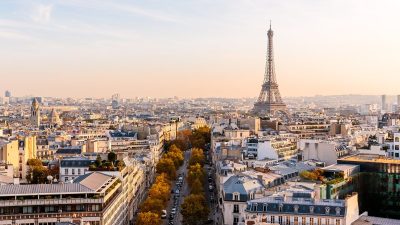
The picture of a perfect Parisian summer is deeply ingrained: long, golden evenings spent lingering at a café terrace, the sun not setting until well after 9 PM. The paris climate in july often delivers this idyllic scene, as it’s the city’s sunniest and warmest month. But beneath this bright exterior lies a more intense reality—July is also the peak season for “canicules,” the potent heat waves that can transform the city and require a completely different travel strategy.
Understanding this duality is the key to a successful July visit. It’s not just about packing for warmth; it’s about planning for potential extremes.
At a Glance: Your July Climate Essentials
- Expect Warmth, Prepare for Heat: Average daily highs hover around a pleasant 26°C (79°F), but be ready for heat waves pushing temperatures past 35°C (95°F).
- Air Conditioning is a Must-Have: AC is not standard in Paris, especially in apartments. Make booking air-conditioned accommodation your number one priority.
- The Sun is Intense: With a high UV index of 6-8, you can get a sunburn in as little as 15 minutes. Sunscreen, hats, and sunglasses are non-negotiable.
- Long Days, Cool Nights: Enjoy over 15 hours of daylight. Pack a light jacket or sweater for evenings, which can cool down to a refreshing 15°C (59°F).
- Adapt Your Itinerary: Plan strenuous outdoor activities for the morning and use midday for cool museums, cathedrals, or a well-deserved nap.
The Two Faces of July’s Weather: Averages vs. Reality
Official climate charts can be misleading. They present a comfortable picture of the Paris climate in July, but they smooth over the dramatic daily fluctuations that define the experience on the ground. Averages are useful, but reality is what you need to plan for.
The typical July day might start cool and crisp, warm up beautifully by noon, and then either stay pleasant or surge into intense heat by late afternoon. The temperature swing from dawn to 4 PM can be significant.
Paris July Temperature Ranges: A Practical Look
| Metric | The Comfortable Average | The High-Impact Extreme |
|---|---|---|
| Daytime High | 24°C – 26°C (76°F – 79°F) | Can soar to 35°C – 43°C (95°F – 109°F) |
| Nighttime Low | 15°C (59°F) | Can feel cool at 7°C (45°F) or stay uncomfortably warm |
| Sunshine Hours | 8-9 hours/day | Feels like near-constant sun during a heat wave |
| Rainfall | Brief, passing showers | Short, intense thunderstorms that clear quickly |
Endless Daylight and Potent Sunshine
July is Paris’s sunniest month, boasting an average of 8-9 hours of direct sunshine per day and over 15 hours and 40 minutes of total daylight. The sun rises early and sets spectacularly late, often after 9:30 PM. This gives you an enormous amount of time for sightseeing, picnics along the Seine, and capturing that perfect golden-hour photo.
However, this glorious sun comes with a serious warning: a high UV index. The sun’s rays are at their most powerful, and you need to take protection seriously. Think of sunscreen not as a beach accessory, but as a daily essential, just like your wallet or phone.
Don’t Fear the Rain Forecast
If you see rain in the forecast for your July trip, don’t panic. Unlike the persistent drizzle of a Parisian spring, July rain is typically a brief, dramatic affair. It often arrives in the form of a short-lived afternoon thunderstorm that clears the air, lowers the humidity, and leaves the city feeling refreshed. These showers rarely last long enough to derail an entire day’s plans. Simply duck into a café, museum, or covered passage for 30-60 minutes, and you’ll likely find the sun shining again when you emerge.
The “Canicule”: Navigating a Parisian Heat Wave
The single most important factor to understand about the Paris climate in July is the potential for a canicule, or heat wave. These are no longer rare events; they are an increasingly common feature of the Parisian summer. The all-time record of 43°C (109°F) was set in July 2019, and periods of several days above 35°C (95°F) can occur.
What a Heat Wave Actually Feels Like
A Parisian heat wave is a multi-sensory experience. The “urban heat island” effect means the city’s stone buildings, asphalt streets, and zinc roofs absorb and radiate heat long after the sun goes down. Nights offer little relief.
- The Metro: Many older lines are not air-conditioned. A crowded car at 5 PM can feel like a sauna.
- The Streets: The sun reflecting off the Haussmannian buildings is intense, and the cobblestones in areas like Le Marais or Montmartre seem to bake from below.
- The Cafés: While many have misters on their terraces, a huge number of smaller, traditional bistros and bakeries lack AC inside.
Understanding how to manage these hot spells is a critical part of appreciating the full spectrum of the Paris weather in July August. It’s about having a plan B for the hottest days.
The Air Conditioning Divide: Your Most Critical Decision
This cannot be overstated: Air conditioning is not standard in Paris. While nearly all 3-star hotels and above will have it, it’s a rarity in budget hotels, older buildings, and a significant percentage of rental apartments (like those on Airbnb or VRBO).
Assuming your accommodation will be cool is the biggest mistake a July visitor can make. Returning to a sweltering, top-floor apartment after a long day can be miserable and even dangerous during a heat wave.
Your Accommodation Booking Checklist:
- Filter First: When searching on any booking site, the very first filter you should apply is “Air Conditioning.”
- Verify in Reviews: Read recent summer reviews. Did previous guests mention the AC being effective? “AC available” can sometimes mean a noisy, inefficient portable unit.
- Ask Directly: If booking an apartment, send a message to the host: “Can you confirm the apartment has an installed air conditioning system (une climatisation) and is not just a fan (un ventilateur)?” This simple question can save you a world of discomfort.
Your Practical Playbook for a Perfect July Trip
Success in July is all about working with the climate, not against it. A few strategic adjustments to your daily rhythm and packing list will make all the difference.
Structure Your Day Around the Sun
Embrace a Mediterranean-style schedule, especially when temperatures climb.
- Morning (7 AM – 11 AM): The Golden Window
This is the time for your most energy-intensive outdoor activities. Climb the towers of Notre Dame (when accessible), wander the steep streets of Montmartre, or take a long walk through the Jardin du Luxembourg. The air is cooler and the crowds are thinner. - Midday (12 PM – 4 PM): The Strategic Retreat
This is the hottest part of the day. Escape the sun and head indoors. This is the perfect time for: - Museums: The Louvre, Musée d’Orsay, and Centre Pompidou are vast, air-conditioned sanctuaries.
- Department Stores: Explore the stunning Galeries Lafayette or Le Bon Marché.
- Cool Spaces: Visit the refreshingly cool interiors of Sainte-Chapelle, the Panthéon, or even the Catacombs.
- A Proper Lunch: Enjoy a long, leisurely lunch inside a cool restaurant.
- Late Afternoon & Evening (5 PM Onward): The Second Wind
As the sun loses its intensity, the city comes alive again. This is the ideal time for an evening boat cruise on the Seine, enjoying an apéritif on a now-shady terrace, or simply strolling through a neighborhood as the city lights begin to glow.
The Smart Packing List for July’s Climate
Your goal is to pack for hot days, cool evenings, and intense sun—all while staying comfortable and stylish.
- Focus on Fabrics:
- Linen and Cotton: These are your absolute best friends. They are breathable and comfortable in the heat. Think linen shirts, cotton dresses, and light chinos.
- Moisture-Wicking Blends: For active days, a few technical fabrics can be a lifesaver.
- Avoid: Heavy denim and heat-trapping synthetics like polyester.
- The Essential Light Layer:
- Pack one versatile light layer. This could be a thin merino wool cardigan, a linen blazer, a pashmina, or a light cotton sweater. You’ll need it for chilly evenings, overly air-conditioned museums, and cool, subterranean sites like wine cellars or the Catacombs.
- Sun Protection Arsenal:
- Wide-brimmed Hat: A packable sun hat is far more effective than a baseball cap.
- UV-Blocking Sunglasses: A non-negotiable for eye health and comfort.
- High-SPF Sunscreen: Bring a reliable brand with SPF 30 or higher and apply it every morning before you go out.
- Comfortable Footwear:
- You will walk for miles. Bring your most comfortable, broken-in walking shoes or sandals. Leather or canvas is more breathable than synthetic materials. Have at least two different pairs to rotate between.
Quick Answers to Common July Questions
Is July too hot to visit Paris?
It can be, but it’s entirely manageable with smart planning. If you prioritize air-conditioned lodging and adapt your daily schedule to avoid the midday sun, you get to enjoy the incredible benefit of long, sunny, festive days. For many, it’s a worthwhile trade-off.
Do I really need a jacket or sweater in July?
Absolutely, yes. While the afternoon can be scorching, an evening stroll along the Seine or a late dinner on a terrace can feel genuinely cool once the sun goes down and the temperature drops to 15°C (59°F). You will be glad you have that one light layer.
How likely am I to experience an extreme heat wave?
The probability is increasing each year. It’s wise to assume you will have at least a few days of significant heat during a July trip. While not a certainty, planning for the possibility of a heat wave is now an essential part of responsible travel to Paris in summer.
Can I rely on public transit during a heat wave?
Yes, but with caveats. The modern, automated Metro lines (like 1 and 14) and newer trams and buses are generally well air-conditioned. However, many of the older, iconic Metro lines are not. They can become incredibly stuffy and hot during peak hours. Always carry a bottle of water with you, and consider using a ride-share service or taxi for short trips during the peak heat of the day.
Your July Paris Climate Checklist
Treating the Paris climate in July with respect is the final step in your planning. By anticipating the conditions, you can have a fantastic, comfortable, and memorable trip.
- Before You Book: Lock in accommodation with confirmed, effective air conditioning. Read the reviews.
- When You Pack: Build your wardrobe around breathable fabrics (linen, cotton), and don’t forget your “one light layer” for evenings. Pack a hat.
- On Arrival: Locate the nearest small grocery (Monoprix, Franprix) and buy large bottles of water to keep in your room.
- Daily Plan: Front-load your day with outdoor activities. Use the hot midday hours for cool indoor museums, shopping, or rest.
- During a Heat Wave: Slow your pace. Hydrate relentlessly. Make use of the city’s beautiful green parks and historic Wallace Fountains for free, fresh drinking water.