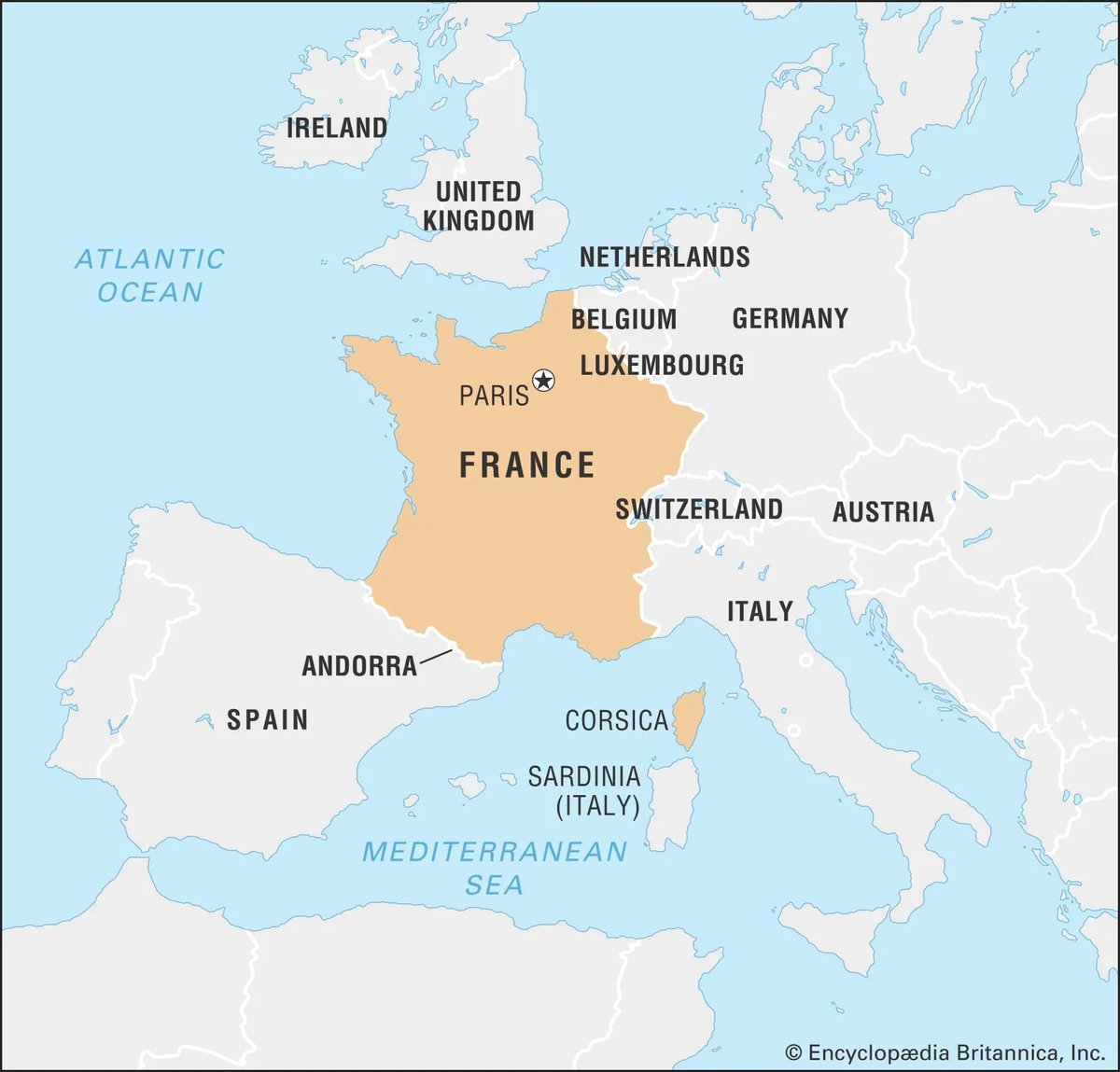
Planning a trip that’s a bit more involved than a simple Parisian holiday? Maybe you’re a freelancer heading to Lyon for a three-month project, or a researcher attending back-to-back conferences in Marseille and Nice. In these cases, understanding the nuances of the france short stay visa is the critical first step. It’s the key that unlocks access not just to France, but to the entire Schengen Area—but only if you know which version you need and how to get it.
This guide goes beyond the basics to give you the practical details for securing the right short-stay visa. We’ll break down the types, the rules, and the common mistakes people make, so you can focus on your trip, not the paperwork.
At a Glance: Your Short-Stay Visa Roadmap
- Clarify If You Need a Visa at All: Quickly determine if your nationality and travel purpose require a visa or if you fall under the upcoming ETIAS travel authorization system.
- Master the “Type C” Visa: Understand the differences between single, double, and multiple-entry visas and learn about the coveted long-term “circulation visa” for frequent travelers.
- Apply to the Right Place: Use the “main destination” rule to figure out if you should be applying at a French consulate or another Schengen member’s.
- Decode Your Visa Sticker: Learn to read the critical information on your issued visa to avoid travel-day disasters.
- Sidestep Common Pitfalls: Discover why a standard Schengen visa won’t get you into Martinique or French Polynesia and when you might need a visa just to change planes.
Do You Even Need a Short-Stay Visa? The First Crucial Question
Before diving into application forms, the first step is to confirm you actually need a visa. Many travelers, including U.S. citizens on short tourist trips, don’t. The decision hinges on your nationality, the purpose of your visit, and how long you plan to stay.
The Schengen 90/180 Rule: Your Starting Point
The foundation of European short-stay travel is the “90/180 rule.” It allows eligible travelers to stay in the 29-country Schengen Area for a maximum of 90 days within any 180-day period. This is a rolling window—to check your compliance, you look back at the last 180 days from any given day of your stay.
Several groups are exempt from needing a visa to benefit from this rule:
- Citizens of the European Union (EU), European Economic Area (EEA), and Switzerland.
- Nationals of countries with a visa-waiver agreement, such as the United States, Canada, Australia, and the United Kingdom (for now).
- Holders of a valid long-stay visa or residence permit issued by any Schengen country.
If you don’t fall into one of these categories, you will need a france short stay visa (also known as a Schengen visa) for any visit.
For U.S. Citizens: ETIAS Is Coming, but a Visa Might Still Be Needed
Starting in 2026, the landscape changes slightly for U.S. citizens and other visa-exempt nationals. While you still won’t need a traditional visa for short trips, you will have to obtain a travel authorization through the European Travel Information and Authorisation System (ETIAS). ETIAS is an online security screening, not a visa, designed for tourism, business, or transit stays of up to 90 days. For a complete breakdown of this new requirement, see our guide to the France ETIAS for US Citizens.
However, a formal visa is still required for U.S. citizens in specific scenarios, such as:
- Engaging in paid work or remunerated activities.
- Undertaking short-term studies or a formal internship.
- Any purpose not strictly covered by the tourism or business-meeting visa waiver.
If your plans fall into one of these categories, even for a stay under 90 days, you must apply for the appropriate short-stay visa.
Decoding the “Type C” Visa: What It Covers and What It Doesn’t
When people refer to a france short stay visa, they are talking about the “Uniform Schengen Visa,” or “Type C” visa. This is your pass to the entire Schengen zone, allowing you to move freely between member countries without internal border checks.
Imagine you’re a software developer attending a week-long conference in Paris, followed by two weeks of client meetings in Berlin. A single French-issued Type C visa covers the entire trip seamlessly. It’s designed for a wide range of purposes:
- Tourism and private visits
- Business meetings, conferences, or corporate events
- Short-term training or internships
- Family visits
Single, Double, or Multiple Entry? Choosing the Right Fit
Your visa will specify the number of times you can enter the Schengen Area. This is a critical detail that must align with your travel itinerary.
| Entry Type | Best For… | Practical Example |
|---|---|---|
| Single (1) | One continuous trip within the Schengen Area. | You fly into Paris, travel by train to Italy and Spain, and fly home from Madrid. You never left the zone. |
| Double (2) | A trip with one planned exit and re-entry into the Schengen zone. | You visit France for a week, fly to London (non-Schengen) for a meeting, and then return to France to fly home. |
| Multiple (MULT) | Frequent or complex travel itineraries. | As a consultant, you plan to visit clients in France, Germany, and Belgium every other month for a year. |
| Applying for a multiple-entry visa usually requires a stronger justification. You’ll need to provide evidence, like a letter from your employer or invitations to multiple events, proving your need to travel frequently. |
The Frequent Traveler’s Goal: The Circulation Visa
For true road warriors, the ultimate prize is a “circulation visa.” This is a multiple-entry Type C visa with a long validity period, ranging from six months to a maximum of five years. It allows for unlimited entries, but you must still respect the 90/180 rule on every visit.
Consulates don’t hand these out lightly. To be eligible, you must demonstrate both a clear need for frequent travel and a history of reliability.
- Case Snippet: An art historian had successfully used two previous single-entry French visas for research trips. For her third application, she provided an academic plan outlining three more research visits over the next 18 months. Citing her proven track record of compliance, the consulate granted her a 1-year circulation visa, saving her the hassle of reapplying for each trip.
The Application Playbook: Where and How to Apply
One of the most common points of confusion is determining which country’s consulate should process your application. Getting this wrong can lead to an outright rejection.
Pinpointing the Right Embassy: The “Main Destination” Rule
The Schengen visa code establishes a clear hierarchy for where to submit your application.
- Sole Destination: If you are only visiting France, you must apply at the French consulate or its designated visa application center (like VFS Global or TLScontact).
- Main Destination: If you are visiting multiple Schengen countries, you must apply at the consulate of your main destination. This is determined by either:
- The country where you will spend the most time.
- The country that is the primary purpose of your trip, even if your stay there isn’t the longest. (e.g., attending a critical business conference in France for 3 days before a 5-day holiday in Spain).
- First Point of Entry: If you have no clear main destination (e.g., you’re spending equal time in three countries), you must apply at the consulate of the country you will enter first.
Step-by-Step: From Document Gathering to Submission
While specific document requirements can vary slightly by consulate, the core process for a france short stay visa is standardized.
- Complete the Official Application: This is typically done through the official France-Visas government portal.
- Gather Your Dossier: Assemble all required documents. This almost always includes:
- Your passport (valid for at least three months after your planned departure from Schengen).
- Passport-sized photos meeting specific criteria.
- Proof of the purpose of your visit (e.g., hotel reservations, flight itinerary, letter of invitation).
- Proof of accommodation for your entire stay.
- Proof of sufficient financial means.
- Schengen-compliant travel medical insurance.
- Book Your Appointment: Schedule an appointment at the designated visa application center responsible for your jurisdiction. You cannot simply walk in.
- Attend the Appointment: You’ll submit your documents and provide biometric data (fingerprints and a digital photograph).
- Pay the Fees: This includes the visa fee and any service fees charged by the application center.
- Track Your Application: You can monitor the status of your application online until your passport is returned.
Understanding Your Visa Sticker: A Practical Guide
Receiving your passport with a visa sticker inside is a great feeling, but your job isn’t done. You must carefully check the details to ensure they are correct and match your travel plans. Misinterpreting this information can lead to being denied boarding or entry.
Here’s how to read the key fields:
VALABLE POUR(Valid For): This indicates territorial validity. “ETATS SCHENGEN” means it’s valid for the entire Schengen Area. Sometimes, it might be restricted to specific countries (e.g., “FRANCE”).DU(From) /AU(To): This is the visa’s validity window. It’s the period during which you are allowed to use the visa. It is NOT the number of days you can stay.TYPE DE VISA(Type of Visa): This will be “C” for a short-stay visa. “A” is for airport transit, and “D” is for a long-stay national visa.NOMBRE D'ENTREES(Number of Entries): This will be “1”, “2”, or “MULT” (multiple), as discussed earlier.DUREE DU SEJOUR(Duration of Stay): This is the maximum total number of days you are allowed to stay within the validity window. This is the most frequently misunderstood field. For example, a visa might be valid from January 1 to June 30 (DU/AU), but the duration of stay (DUREE DU SEJOUR) could be just “30” days.
Common Pitfalls and Special Cases
Even experienced travelers can get tripped up by some of the finer points of French visa policy.
The “Overseas France” Trap: Why Your Schengen Visa Won’t Work in Martinique
This is a critical distinction: French overseas departments and territories are not part of the Schengen Area. A Schengen visa issued by France is not valid for entry into places like:
- Guadeloupe, Martinique, Saint Martin, Saint Barthélemy (Caribbean)
- French Polynesia (including Tahiti and Bora Bora)
- Réunion (Indian Ocean)
- New Caledonia
To visit these territories, you must apply for a separate national visa specific to them, unless you are a citizen of a country that has a visa waiver for that specific territory. A traveler from a visa-required country planning a trip to Paris and then Tahiti would need to secure two entirely different visas.
Airport Transit: When You Need a Visa Just to Change Planes
For most travelers, connecting flights within a French airport is seamless. However, nationals of certain countries are required to hold an Airport Transit Visa (ATV or “Type A”) even if they never leave the international transit zone of the airport. This is a very specific requirement, so it’s essential to check the official France-Visas website to see if your nationality is on the ATV list.
Quick Answers to Tough Questions
Here are some rapid-fire answers to common questions about the france short stay visa.
Q: Can I extend my France short-stay visa while I’m there?
A: It is nearly impossible. Visa extensions are only granted in truly exceptional and unforeseen circumstances, such as a severe medical emergency or a force majeure event (like a natural disaster). You cannot extend your stay for convenience or to continue your vacation.
Q: What are the consequences of overstaying my 90-day limit?
A: Overstaying is a serious violation. It can result in immediate fines, deportation, an entry ban for the entire Schengen Area (which can last for years), and a black mark on your record that will make future visa applications extremely difficult.
Q: How far in advance should I apply for my visa?
A: You can apply up to six months before your intended travel date. It is highly recommended to apply no later than one month in advance, as standard processing takes about 15 working days but can be longer during peak seasons.
Q: Does holding a valid France short-stay visa guarantee I can enter the country?
A: No. A visa grants you permission to travel to a French port of entry. The final decision to allow you into the country rests with the border control officer. They have the right to ask for your supporting documents again (proof of funds, accommodation, return ticket) to verify that you still meet the entry conditions. Always travel with copies of your application documents.
Your Next Steps for a Smooth French Visit
Navigating the world of visas can feel complex, but it boils down to a clear set of steps. By being methodical and detail-oriented, you can ensure your travel plans go off without a hitch.
Before you do anything else, follow this simple path:
- Confirm Your Status: First, determine if your nationality and purpose of travel require a visa at all. If you’re a U.S. citizen on a short tourist trip, your focus should be on the upcoming ETIAS system.
- Identify the Correct Visa: If a visa is necessary, pinpoint the exact type you need. Is a single entry enough, or do you need to justify a multiple-entry or circulation visa?
- Apply at the Right Consulate: Use the main destination rule to avoid having your application returned. When in doubt, map out your itinerary and count the days.
- Scrutinize Your Visa Sticker: Once you receive your visa, read it carefully. Make sure the dates, entries, and duration match your plans perfectly. A small error caught at home is a simple fix; one discovered at the airport is a crisis.