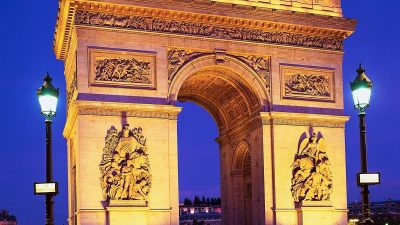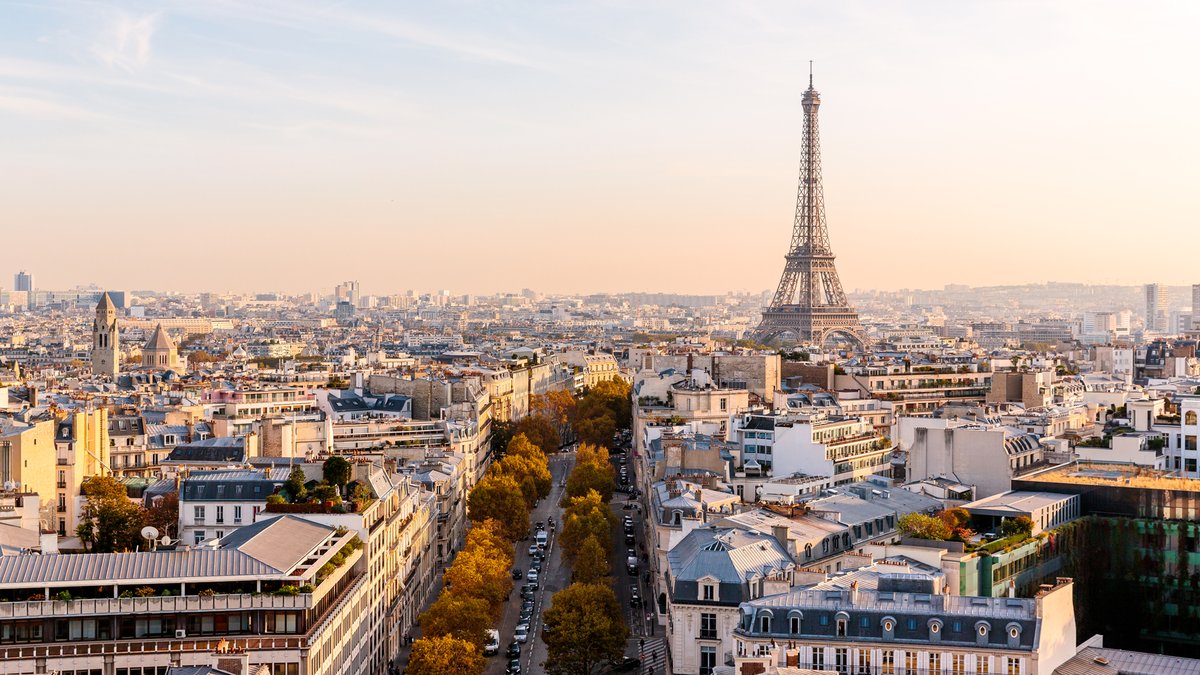
The classic dream of a Parisian summer is often filled with images of sun-drenched café terraces and golden evening light on the Seine. The reality of the paris weather july delivers on this promise, offering the city’s warmest and sunniest days, but it also packs a punch with potential heatwaves that can catch unprepared travelers by surprise. Understanding this duality is the key to crafting a perfect trip, ensuring you enjoy the vibrant energy without getting sidelined by the sweltering heat.
At a Glance: Your July Paris Weather Essentials
Planning a trip for July? Here’s what you need to know to make the most of it:
- Expect Warmth and Sunshine: July is Paris’s hottest month, with long, bright days perfect for exploring.
- Prepare for Intense Heat: Heatwaves with temperatures soaring above 95°F (35°C) are increasingly common. Prioritizing accommodation with air conditioning is not a luxury—it’s a near necessity.
- Rain is a Possibility, Not a Problem: Expect short, sharp showers rather than all-day drizzle. They pass quickly and can offer a welcome cool-down.
- Daylight is Abundant: With over 15 hours of daylight, you have ample time to see the sights, enjoy late dinners, and soak in the city’s atmosphere.
- Pack Smart, Not Heavy: Focus on breathable fabrics, but don’t forget a light jacket for cooler evenings or powerful museum air conditioning.
- Plan for Peak Crowds: July is prime tourist season. Book everything—from museum tickets to popular restaurants—well in advance.
Decoding July’s Temperatures: From Pleasant to Scorching
July in Paris runs on a spectrum. Most days are delightfully warm, but the potential for extreme heat means you need a solid plan.
The “Typical” Sunny Day in Paris
On an average day, the Paris weather in July is what summer dreams are made of. You can expect high temperatures to hover between a comfortable 76°F and 80°F (24°C to 26°C). Mornings and evenings are pleasantly mild, with lows dipping to around 60°F (16°C), perfect for a stroll after dinner without needing a heavy coat.
These are the days for picnicking in the Jardin du Luxembourg, climbing the steps to the Sacré-Cœur, and enjoying a glass of rosé on a bustling terrace. The sun is bright, the skies are often clear, and the city is buzzing with an infectious energy.
The Reality of Heatwaves: When Paris Feels Like a Furnace
It’s crucial to understand that the “average” can be misleading. July is prone to vagues de chaleur (heatwaves), where temperatures can skyrocket. It’s not uncommon for the mercury to push past 90°F (32°C), and in recent years, it has shattered records, reaching an astonishing 109°F (43°C) in 2019.
This isn’t a dry desert heat. With average humidity around 72%, it can feel sticky and oppressive. Paris, with its dense stone buildings and asphalt, creates an “urban heat island” effect, meaning the city retains heat and doesn’t cool down much overnight.
A Real-World Scenario: Imagine planning a walking tour of Montmartre at 2 PM during a heatwave. The steep streets offer little shade, the sun reflects off the white stone, and the crowds make it feel even hotter. A much better plan is to schedule that tour for 9 AM, spend the sweltering afternoon in the air-conditioned Louvre, and enjoy Montmartre’s breezy hilltop views as the sun sets.
The Critical Decision: To AC or Not to AC?
In many parts of the world, air conditioning is a standard hotel feature. In Paris, it is not. Many charming older hotels and a vast number of apartment rentals are not equipped with it.
For a July visit, making AC a non-negotiable filter when booking your accommodation is the single best decision you can make for your comfort and health. After a long day of walking in the heat, having a cool, comfortable room to retreat to is a game-changer. It allows you to rest properly and be ready for the next day’s adventures. Don’t risk a miserable, sleepless week to save a few euros—you will regret it.
Sunshine, Daylight, and Rain: A Day-in-the-Life View
Beyond temperature, the light and precipitation patterns in July define the daily rhythm of your trip.
Maximizing Those Long, Luminous Days
July boasts the longest days of the year in Paris. The sun rises before 6 AM at the start of the month and doesn’t set until after 9:30 PM. This gift of over 15 hours of daylight means you can pack more into your schedule without ever feeling rushed.
- Early Mornings: Beat the crowds and the heat at popular outdoor spots like the Eiffel Tower or the Tuileries Garden.
- Late Evenings: Enjoy a late dinner outdoors, take a sunset cruise on the Seine, or simply watch the city lights twinkle from a rooftop bar.
However, this abundance of sun comes with a high UV Index, which often reaches 6 (a high-risk level). Sun protection is essential. Apply a high-SPF sunscreen generously and frequently, wear a wide-brimmed hat, and use sunglasses. Try to limit direct sun exposure during the peak hours of 11 AM to 4 PM.
“Will Rain Ruin My Trip?” Unpacking July Showers
The data shows Paris gets rain on 8 to 15 days in July, totaling about 1.5 to 2.5 inches (36mm to 61mm). This might sound like a lot, but it rarely manifests as a trip-ruining washout.
July rain is typically a brief, sometimes intense, thunderstorm that blows through quickly. One moment it’s sunny, the next you’re dashing for cover under an awning, and 20 minutes later, the sun is back out, and the streets are steaming. Think of these showers as a perfect excuse to duck into a pâtisserie for a coffee and a macaron or to spend an unplanned half-hour exploring a covered passage like the Galerie Vivienne. While July has its own distinct personality, it shares many of these summer traits with its sibling month. For a broader look at the entire peak season, our complete Paris July August weather guide offers a comparative view.
The Practical Playbook: What to Wear and How to Plan
Knowing the weather is one thing; preparing for it is another. Here’s how to pack and plan for a seamless July trip.
Your Essential Paris July Packing List
Comfort is king. Focus on lightweight, breathable materials that will keep you cool while still looking chic.
| Category | Must-Haves | Why It Works |
|---|---|---|
| Clothing | Linen trousers, cotton t-shirts, sundresses, skirts, smart shorts. | These natural fabrics are breathable and comfortable in the heat. Parisians dress smartly, but shorts are perfectly acceptable for daytime sightseeing. |
| Outerwear | A light cardigan, denim jacket, or pashmina. | Essential for cool evenings, aggressive air conditioning in museums, or dining on a breezy rooftop. |
| Footwear | Broken-in stylish sneakers, comfortable walking sandals, or chic flats. | You will walk miles every day. Prioritize comfort above all else. Never bring new shoes to break in on a Paris trip. |
| Accessories | Sunglasses, a wide-brimmed hat or cap, high-SPF sunscreen, a reusable water bottle. | These are non-negotiable for sun protection and hydration. Public water fountains (fontaines Wallace) offer free, clean drinking water. |
| Bonus Items | A foldable umbrella, a portable fan, cooling face mist. | A small umbrella is wise for sudden showers. A fan or mist can be a lifesaver while waiting in an unshaded line. |
Structuring Your Day to Beat the Heat
A smart itinerary can make all the difference between an enjoyable trip and an exhausting one.
- Morning (8 AM – 11 AM): Tackle your priority outdoor activities. Climb the Arc de Triomphe, wander through the Marché des Enfants Rouges, or explore the charming streets of Île de la Cité.
- Midday (11 AM – 4 PM): This is your time for indoor, air-conditioned pursuits. Book tickets for a long session at the Musée d’Orsay or the Centre Pompidou. Explore the grand department stores on Boulevard Haussmann or enjoy a leisurely, multi-course lunch.
- Late Afternoon & Evening (4 PM onwards): As the heat begins to subside, head back outside. A late afternoon stroll through the Marais, a pre-dinner apéritif at an outdoor café, or an evening cruise on the Seine are perfect ways to end the day.
Special Events and Crowd Management
July isn’t just hot; it’s also the epicenter of Parisian life and tourism.
Navigating Bastille Day (July 14th)
If your trip includes July 14th, you’re in for a treat. France’s national day is a massive celebration. The morning features a large military parade along the Champs-Élysées. The evening culminates in a spectacular fireworks show at the Eiffel Tower.
Practical Tips:
- Expect huge crowds everywhere.
- Many metro stations around the parade and fireworks areas will be closed. Plan your transport well in advance.
- To see the fireworks, find a spot early on the Champ de Mars, from a bridge, or a bar with a view.
The Peak Season Reality: A Strategy for Crowds
Paris is one of the world’s most visited cities, and July is its busiest month. Lines will be long, and popular sites will be packed.
- Book Everything in Advance: This is not a suggestion; it’s a rule. Book timed-entry tickets for the Eiffel Tower, the Louvre, and other major attractions weeks, or even months, ahead.
- Use the Museum Pass: If you plan on visiting multiple museums, the Paris Museum Pass can save you time by letting you skip the ticket-buying line (though not the security line).
- Go Early or Go Late: The best way to see a popular site with fewer people is to be there right when it opens.
Quick Answers to Common July Weather Questions
Is Paris too hot to visit in July?
It can be challenging, but it is absolutely not too hot if you plan wisely. By booking accommodation with AC, structuring your days to avoid midday heat, staying hydrated, and packing appropriate clothing, you can have a fantastic and comfortable trip.
Do I really need an umbrella in Paris in July?
Yes, it’s a very good idea. While you may not use it, a small, packable umbrella will be your best friend when a sudden, drenching downpour appears out of a sunny sky. The showers are usually over in 20-30 minutes, so you won’t need heavy-duty rain gear.
Can I wear shorts in Paris in July?
Absolutely. For daytime sightseeing, walking, and casual meals, shorts are completely fine and widely worn. Parisians tend to dress up a bit more for the evening, so you might feel more comfortable in linen trousers or a dress for a nicer dinner, but there are no strict rules.
How cool does it actually get at night?
Even after a hot day, temperatures can drop to around 60°F (16°C). While you won’t be cold, it’s cool enough that you’ll be glad you brought a light jacket or sweater, especially if you’re dining outdoors or walking along the river.
Your July Paris Weather Checklist: Ready for Anything
Ultimately, the Paris weather in July offers a vibrant, sun-filled backdrop for an unforgettable trip. By preparing for its full range—from beautifully warm to intensely hot—you can embrace the energy of the city in its high-summer glory.
Before you go, run through this final checklist:
- Confirm Your Lodging Has AC. This is your top priority.
- Pack Breathable Fabrics. Linen and cotton are your best friends.
- Include a Light Layer. Don’t forget a sweater or jacket for evenings.
- Pre-Book All Tickets. Save yourself hours of waiting in the sun.
- Plan for Midday Breaks. Schedule indoor activities during the hottest part of the day.
- Pack Sun Protection. Hat, sunglasses, and sunscreen are essential.
- Embrace the Buzz. You’re visiting Paris at its most alive—enjoy it