Here is the detailed cluster article, crafted according to your specifications.
Planning a trip to the City of Light is exciting, but navigating the entry rules can feel daunting. Many American travelers wonder if they need a Schengen visa for Paris, especially with changing regulations on the horizon. The short answer is: for a typical vacation, you don’t need a visa, but for longer stays, you absolutely do—and getting it right is crucial.
This guide breaks down exactly when an American citizen needs to apply for a French visa, what type you’ll need, and how to navigate the process successfully. We’ll move beyond the basics to give you the practical steps and insider tips for a smooth application.
At a Glance: Key Takeaways for Your Paris Trip
- The 90/180 Rule is Your First Check: U.S. citizens can visit Paris and the Schengen Area for up to 90 days within any 180-day period for tourism or business without a visa.
- ETIAS is Coming, But It’s Not a Visa: Starting in mid-2025 or later, you’ll need an ETIAS authorization for short trips. This is a simple online pre-screening, not a formal visa.
- Long Stays Require a Visa: If you plan to stay in Paris for more than 90 days for any reason—study, work, or an extended sabbatical—you must secure a long-stay visa before you leave the United States.
- The Application Process Starts Online: All French visa applications begin on the official France-Visas website, followed by a mandatory in-person appointment.
- Financial Proof is Non-Negotiable: You must prove you can support yourself. The minimums are specific and depend on your accommodation plans.
- Travel Insurance is Mandatory: You’ll need a policy with at least €30,000 in medical coverage to even apply for the visa.
The 90-Day Rule Is Your North Star
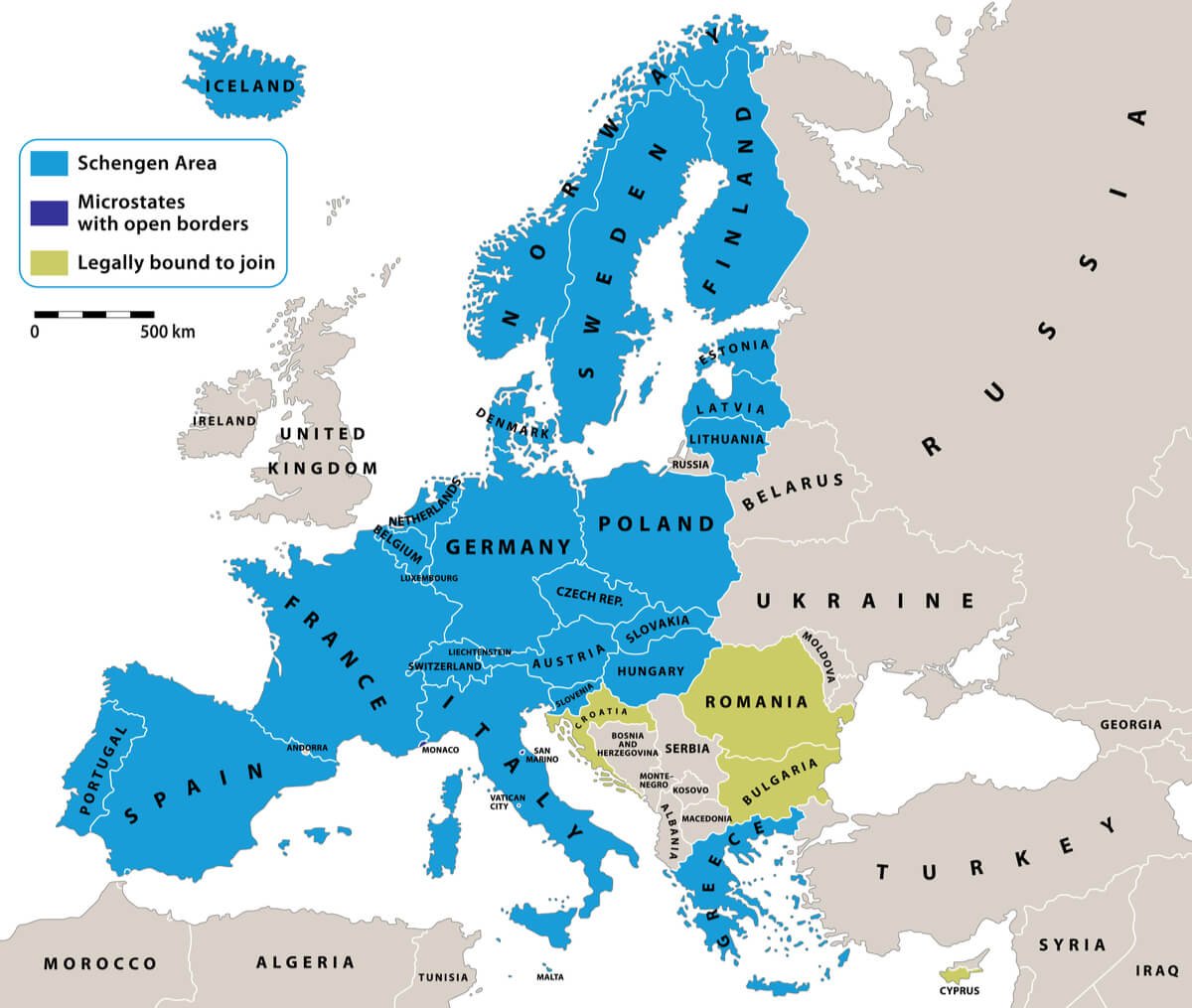
For American travelers, the most important concept to grasp is the “90/180 rule.” This rule, which governs the entire Schengen Area (a bloc of 29 European countries including France), allows U.S. passport holders to stay for up to 90 days within any 180-day rolling period without a visa. Think of it like a time budget: you have 90 days you can “spend” in the zone over a six-month window.
This visa-free access is perfect for tourism, short business trips, or visiting family. However, this is changing slightly. While you won’t need a traditional visa, a new pre-travel authorization will soon be required. For a complete overview of this upcoming change and what it means for short tourist trips, see the comprehensive guide on the France ETIAS for US citizens. This system is designed to enhance security but doesn’t alter the 90-day limit for visa-free travel.
The critical takeaway is this: if your planned stay in Paris is 90 days or less, you can stop reading here and focus on the ETIAS requirements. If your dream involves spending a semester, a gap year, or a work assignment in Paris, you will need a visa.
When a Long-Stay Visa for Paris Becomes Necessary
If your plans extend beyond that 90-day tourist window, you must apply for a French National Long-Stay Visa, also known as a visa de long séjour (VLS-TS). This is your official permission to reside in France for a period ranging from four months to one year.
Unlike a standard Schengen visa for Paris, which is for short-term tourism across the zone, a long-stay visa is country-specific. The type you need depends entirely on your reason for staying.
For the Aspiring Student or Researcher
If you’ve been accepted to a Parisian university, language school, or research institution for a program lasting more than three months, you’ll need a student visa.
- Case Snippet: Meet Sarah, a recent college grad from California accepted into a year-long pastry program at a culinary school in Paris. She cannot simply enter France as a tourist and attend her classes. She must apply for a student visa from the French consulate responsible for her region in the U.S. at least two to three months before her program starts. Her application will require her official acceptance letter, proof of accommodation (like a dorm contract), and evidence of sufficient funds for her tuition and living expenses.
For the Professional or Intern
A Schengen visa does not grant the right to work. If you’ve been offered a job, are being transferred to a Paris office, or have secured an internship, you’ll need a work-related visa. Your French employer typically initiates this process by securing a work authorization from the French authorities (DIRECCTE) before you can even begin your visa application. This is a complex category with many sub-types, so close coordination with your employer is key.
For an Extended Sabbatical or Retirement (The “Visitor” Visa)
The Long-Stay Visitor Visa is for individuals who want to live in France for more than 90 days without working. This is a popular option for retirees, writers on sabbatical, or anyone with the financial means to support themselves without employment.
The bar for financial proof is high. You must demonstrate stable and sufficient resources, often from pensions, investments, or savings. You’ll also need to sign a declaration promising not to engage in any professional activity in France.
For Joining a Spouse or Family Member
If your spouse or parent is a French citizen or a legal resident of France, you may be eligible for a family-based visa. The specific requirements vary significantly depending on the status of your family member in France, so this path requires careful documentation of your relationship.
Your Step-by-Step Application Playbook
Applying for a French long-stay visa is a formal process with no shortcuts. Follow these steps methodically to avoid delays or rejection.
Step 1: Use the Official France-Visas Wizard
Your first and most important stop is the official France-Visas government website. It has an online “visa wizard” that will ask you for your nationality, age, destination (France), and purpose of stay. Based on your answers, it will confirm exactly which visa you need and generate a personalized checklist of required documents.
Step 2: Complete the Online Application Form
Once you’ve identified the correct visa, you’ll fill out the application form directly on the France-Visas portal. Be meticulous. Any inconsistencies with your supporting documents can cause problems. After completing it, you’ll print the form and the receipt.
Step 3: Assemble Your Document Dossier
This is the most labor-intensive part. While your specific checklist will come from the visa wizard, a typical dossier for a U.S. applicant includes:
- Passport: Must be issued within the last 10 years, have at least two blank pages, and be valid for at least three months after your intended visa expires.
- Application Form & Receipt: The documents you printed from the France-Visas website.
- Passport Photos: Two recent, identical photos that meet the strict ICAO format (e.g., specific dimensions, white background, no smiling).
- Proof of Purpose: An official acceptance letter from a school, a work contract, or a detailed letter explaining your “visitor” plans.
- Proof of Accommodation: A lease agreement, a letter from a host (with their ID), or a confirmed long-term hotel reservation.
- Proof of Financial Means: See the detailed breakdown in the next section.
- Travel Medical Insurance: A policy certificate showing at least €30,000 coverage.
- Flight Itinerary: A reservation showing your intended travel dates (do not purchase non-refundable tickets until your visa is approved).
- Prepaid Self-Addressed Envelope: For the return of your passport.
Expert Tip: Organize your documents precisely in the order listed on your checklist. Do not staple anything. Use paper clips. Consular officers review hundreds of applications; making yours easy to process helps your case.
Step 4: Book and Attend Your In-Person Appointment
After submitting your form online, you will be directed to schedule an appointment at the VFS Global center or the French consulate that serves your jurisdiction. VFS Global is a third-party company that handles the administrative side of visa processing for the French government in the U.S.
You must attend this appointment in person. You will submit your document dossier, pay the visa fee (€90, subject to change) and any service fees, and have your biometric data (fingerprints and a digital photo) taken.
Step 5: Track Your Application
You can typically track your application’s progress online through the VFS Global portal. Processing times average 2-4 weeks but can take up to 8 weeks or more during peak seasons. Apply at least 1-3 months before your planned departure.
The Financial and Insurance Checklist: Don’t Get Denied on a Technicality
Two of the most common reasons for visa refusal are insufficient financial proof and inadequate insurance.
Proving You Can Fund Your Stay
You must convince the French consulate that you will not become a public charge. The required amounts are specific.
| Your Accommodation Situation in Paris | Minimum Daily Funds Required |
|---|---|
| You have a confirmed, pre-paid hotel | €65 per day |
| You have no proof of accommodation | €120 per day |
| You are staying with a host/family* | €32.50 per day |
| *If staying with a host, they must provide an official declaration called an “attestation d’accueil” from their local town hall (mairie). | |
| You can prove your funds with recent bank statements showing a consistent balance, a letter from a financial sponsor, or proof of a scholarship or salary. |
Securing Compliant Travel Insurance
Your insurance policy isn’t just a suggestion; it’s a hard requirement. The certificate must explicitly state:
- Minimum Coverage: At least €30,000 (or the equivalent in USD).
- Geographic Coverage: Valid for the entire Schengen Area.
- Scope of Coverage: Must cover emergency medical expenses, hospitalization, and repatriation for medical reasons.
Many U.S. health insurance plans do not meet these requirements. Look for dedicated international travel medical insurance providers who can issue a compliant visa letter.
Quick Answers to Common Questions
Q: What’s the difference between a Schengen visa and a French long-stay visa?
A Schengen “Type C” visa allows short-term travel (up to 90 days) throughout the Schengen Area for tourism or business. A French “Type D” long-stay visa is a national visa that permits you to reside in France for more than 90 days. It serves as your initial residence permit.
Q: Can I work in Paris with a Schengen tourist visa?
Absolutely not. Working, even unpaid internships or remote work for a U.S. company while physically in France, is strictly prohibited on a tourist entry. Doing so can result in fines, deportation, and a ban from re-entering the Schengen Area.
Q: What happens if my Schengen visa for Paris is denied?
If your application is refused, you will receive a letter explaining the reason. You have two options: appeal the decision in French within 30 days or correct the deficiencies in your application and re-apply from scratch. The visa fee is non-refundable in either case.
Q: Do I need a visa for French overseas territories like Martinique or Tahiti?
No, not for short stays. U.S. citizens can visit France’s overseas departments and territories (DROM-COM) like Martinique, Guadeloupe, and French Polynesia for up to 90 days without a visa. These are not part of the Schengen Area, and time spent there does not count toward your 90-day Schengen limit.
Your Final Checklist Before You Start
Navigating the rules for a Schengen visa for Paris requires precision, not guesswork. For American citizens, the path is clear: short tourist trips will soon require ETIAS, while any stay over 90 days demands a specific long-stay visa applied for well in advance from within the United States.
Before you book that flight or sign that lease, your first step is to confirm your length of stay. If it’s over 90 days, head directly to the France-Visas website and let its wizard guide your next move. By preparing your documents carefully and respecting the timelines, you can turn your Parisian dream into a reality.