Planning a new life chapter in France—whether for study, work, or simply a long sabbatical—is incredibly exciting. But that excitement can quickly turn to anxiety when you face the critical question: how long does it take to get a French visa? The answer isn’t a single number; it’s a timeline shaped by the visa you need, where you’re from, and how well you prepare.
Understanding this timeline is the key to a stress-free process. It prevents last-minute panic and ensures you’re not booking non-refundable flights based on a hopeful guess.
At a Glance: Key Visa Timelines
- Standard Schengen Visa: The official processing time is 15 calendar days, but it can stretch to 45 days during busy periods or if extra checks are needed.
- Long-Stay Visa for U.S. Citizens: Expect an average of 2 to 4 weeks. However, complex cases or peak season applications can easily push this to 8 weeks or more.
- The Golden Rule of Application: Apply well in advance. French authorities allow you to apply up to six months before your travel date, and experts recommend applying at least three months out.
- Biggest Delay Factors: Incomplete applications, peak travel seasons (summer and holidays), and the need for additional security verification are the most common culprits for a longer wait.
First, Do You Even Need a Visa? The 90-Day Rule
Before we dive into visa processing times, let’s clarify who needs one. If you are a U.S. citizen traveling to France for tourism or business for up to 90 days within any 180-day period, you do not currently need a visa. You can enter with a valid passport.
However, this is changing. Starting in mid-2025, U.S. travelers will need an ETIAS (European Travel Information and Authorisation System) authorization for these short stays. This is a simple online application, not a formal visa. For a full breakdown of this upcoming change for short-term travel, our guide on the France ETIAS for US citizens provides the essential details.
This article focuses on what happens when you plan to stay longer than 90 days. For that, you absolutely need a long-stay visa, and its timeline is a different story.
Decoding the Visa Timelines: Official Averages vs. Reality
The French government and the European Commission provide official processing timelines, but these are best viewed as starting points. Your real-world experience can vary significantly based on the specific visa you’re seeking.
| Visa Type | Official Average Time | Realistic Waiting Period | Best Time to Apply |
|---|---|---|---|
| Short-Stay Schengen Visa (if required) | 10-15 days | 15-30 days | 3 months before travel |
| Long-Stay Visitor Visa (VLS-TS) | 2-4 weeks | 3-8 weeks | 3-4 months before travel |
| Student Visa (VLS-TS) | 2-3 weeks | 3-7 weeks (longer in summer) | As soon as you get your acceptance letter |
| Work Visa (varies by type) | 4 weeks+ | 6-10 weeks or more | 4-6 months before start date |
| As the European Commission notes, the average processing time for standard Schengen visas is around two weeks. But for long-stay national visas—the kind needed for moving to France—the clock ticks differently. Consulates often need to coordinate with authorities in France, adding layers to the process. |
What Really Slows Down Your French Visa Application?
Understanding the potential roadblocks is the best way to avoid them. The consulate isn’t just stamping a piece of paper; they’re verifying your identity, your intentions, and your ability to support yourself. Here’s what can turn a 3-week wait into a 3-month ordeal.
The Peak Season Pile-Up
Applying for a student visa in July is like trying to get a table at a popular Parisian restaurant on a Saturday night without a reservation. Thousands of students are doing the same thing. The summer months (June-August) and the pre-Christmas holiday season (November-December) are the busiest times for consulates.
- Real-World Scenario: Alex, a U.S. student, received his university acceptance in late June and applied for his visa in mid-July for a September start. The consulate was swamped. His application took seven weeks, and he received his passport back just days before his flight.
The Incomplete Dossier Trap
This is the most common and easily avoidable delay. A single missing document—an unsigned form, a bank statement that doesn’t meet the financial requirements, or a passport photo that doesn’t match the strict specifications—can halt your application. The consulate will not chase you for missing information; they will either delay the decision or, in some cases, reject the application outright.
Appointment Scarcity
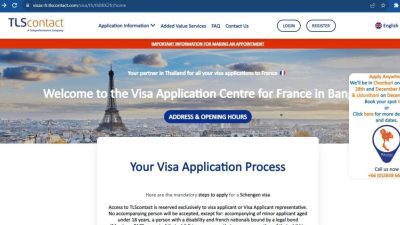
You can’t just walk into a French consulate. You need an appointment at a designated service center, like VFS Global in the U.S. or TLScontact in the UK. During peak seasons, available appointment slots can be weeks or even a month away. This waiting time for the appointment itself is not part of the visa processing time.
Security and Background Verification
For certain visa types, or if anything in your application raises a flag, French authorities will conduct more extensive background checks. This can involve coordinating with agencies in France and your home country. This part of the process is a black box—it takes as long as it takes, and you won’t be given a specific reason for the extra scrutiny.
A Practical Playbook for a Smoother, Faster Visa Process
While you can’t control the volume of applications at the consulate, you can control the quality and timing of your own. Follow these steps to give yourself the best chance at a quick approval.
Step 1: Start Your Prep Work 3-6 Months Out
Your visa timeline doesn’t begin when you submit the application; it begins when you start gathering documents.
- Passport Check: Is your passport valid for at least three months beyond your intended departure date from France? Was it issued within the last 10 years? If not, apply for a new one immediately. This alone can take 6-8 weeks. Note: France does not accept the 12-page U.S. emergency passport for entry.
- Document Checklist: Go to the official France-Visas website, complete the visa wizard, and get your personalized document checklist. Read every requirement carefully. If it asks for three months of bank statements, provide three full months.
- Financial Proof: Start organizing your finances. French authorities want to see stable, sufficient funds. A large, last-minute deposit into your account can look suspicious.
Step 2: Book Your Appointment Strategically
As soon as you know your travel plans, look for an appointment. Don’t wait until you have every document in hand. You can often secure a slot and continue gathering your paperwork. If you see an appointment a few weeks out, take it. They fill up fast.
Step 3: Complete the France-Visas Form with Precision
The online application is your first official interaction with the French government.
- Triple-Check Your Details: Your name must match your passport exactly. Dates must be in the correct format (DD/MM/YYYY). Any discrepancy can cause a delay.
- Be Honest and Consistent: Your stated purpose of travel on the form must align perfectly with your supporting documents (e.g., your university acceptance letter or work contract).
Step 4: Assemble Your Dossier Like a Pro
Organize your documents in the exact order they appear on your checklist. Use paperclips, not staples.
- Photos: Don’t use an old photo. Get new, compliant passport-sized photos. Many pharmacies or shipping centers offer this service and know the specific requirements.
- Travel Insurance: For a Schengen visa, you need insurance with at least €30,000 in coverage. For a long-stay visa, U.S. citizens need proof of private health insurance for the duration of their stay. Make sure your policy document clearly states this.
- Proof of Accommodation: This is a big one. Whether it’s a hotel booking for the first month, a rental agreement (
bail), or an officialattestation d'accueilfrom a host, it must be concrete.
Quick Answers to Common Timeline Questions
Q: Can I pay to expedite my French visa application?
No, for most visa categories, there is no official “premium” or “expedited” processing service offered by the French government that guarantees a faster decision. Some service centers like VFS Global offer premium lounge services, but these only speed up the appointment process, not the consulate’s decision-making time.
Q: My visa is taking longer than the average time. What should I do?
First, check your application status online using the tracking number provided by the visa center. If there’s no update and you are well past the typical 4-6 week mark, you can try contacting the consulate where you applied via their official email or contact form. Be polite, provide your full name, passport number, and application reference number. Follow up periodically but not excessively.
Q: Does my nationality affect the processing time?
Yes, it can. Applications from certain countries may undergo more rigorous security screening, which can extend the timeline. However, for U.S. and UK citizens applying for standard long-stay visas, the timelines are generally consistent with the averages mentioned, provided the application is complete.
Q: What happens during the visa interview or appointment?
The “interview” is typically a document submission and biometrics (fingerprints and photo) appointment. The agent will verify that you have all the required documents. They may ask simple clarifying questions about your trip: “What is the purpose of your visit?” or “Where will you be staying?” They are not there to grill you, but to ensure your file is complete before sending it to the consulate.
Mapping Your Visa Timeline: A Final Checklist
Your journey to France starts with a calendar. Use this simple guide to map out your own timeline and avoid unnecessary stress.
If your stay in France is 90 days or less…
- Action: No visa needed. Check your passport’s validity.
- Timeline: Starting in mid-2025, budget 15-30 minutes to apply for ETIAS online a few weeks before your trip.
If your stay in France is 4-12 months (e.g., student, visitor)… - 6 Months Before Travel: Check passport validity and apply for a new one if needed. Research visa requirements on the France-Visas website.
- 3-4 Months Before Travel: Book your visa appointment. Start gathering all financial, accommodation, and supporting documents.
- 2-3 Months Before Travel: Complete the online application and attend your appointment to submit your dossier and biometrics.
- 1-2 Months Before Travel: Patiently wait for the decision, tracking your application online. Do not book non-refundable flights until you have the visa in hand.
By treating the visa application as the first serious step of your journey, you can navigate the process smoothly and turn your focus back to the exciting adventure that awaits you in France.