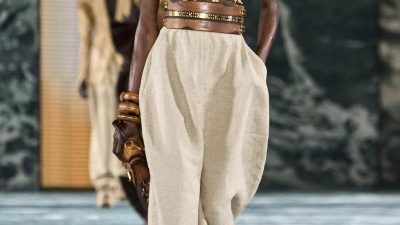
The world of Paris fashion men often feels like an exclusive club, guarded by a secret code of perfect trench coats and an air of unstudied cool. Many assume it requires a high fashion budget and a specific physique. The truth is, mastering this style isn’t about owning a closet full of designer labels; it’s about embracing a philosophy of intentional simplicity and owning a handful of high-quality, perfectly fitting garments.
This isn’t a prescriptive uniform. It’s a framework for building a versatile, timeless wardrobe that works for you, not against you. It’s about looking put-together without ever seeming like you tried too hard—the ultimate sartorial magic trick.
At a Glance: Your Key Takeaways
- Embrace the Philosophy: Understand the core principle of le juste milieu—the perfect middle ground between formal and casual, tailored and comfortable.
- Build Your Foundational Five: Discover the five essential pieces that form the backbone of nearly every Parisian man’s wardrobe.
- Master Seasonal Layering: Learn the simple formulas for looking sharp and staying comfortable from the heat of August to the chill of January.
- Prioritize Fit Above All: Grasp why the silhouette of your clothes is more important than the brand name on the tag.
- Accessorize with Purpose: Use accessories not as flashy statements, but as functional, elegant punctuation marks.
The Guiding Principle: Effortless Over Extravagant
Before we talk about a single garment, it’s crucial to understand the mindset. Parisian style is built on a concept of élégance sans effort, or effortless elegance. It’s a quiet confidence that radiates from clothing that fits perfectly and is made to last. This philosophy is the bedrock of the entire approach, and you can explore its broader context as you Master Parisian Men’s Style.
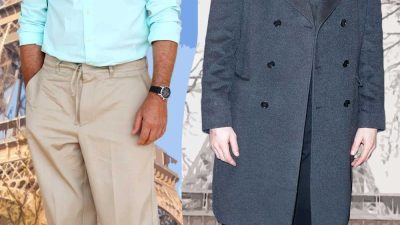
The goal is to find le juste milieu—the “right middle.” This means avoiding extremes. Clothes are rarely skin-tight, nor are they oversized and baggy. Outfits are neither aggressively formal nor sloppy and casual. A Parisian man often looks like he could step into a business-casual meeting, meet friends for a coffee, or go on a dinner date without changing a single item. This versatility is the style’s true power.
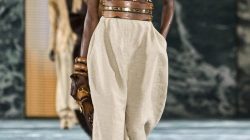
It’s a stark contrast to trend-heavy fashion cycles. While designers at Paris Men’s Fashion Week showcase avant-garde looks, the everyday style on the streets of Le Marais or Saint-Germain-des-Prés is rooted in classics. The look whispers quality, it doesn’t shout for attention with loud logos or flashy colors.
The Foundational Five: Your Core Wardrobe Blueprint
Instead of a sprawling, disorganized closet, the Parisian approach favors a curated collection of essentials. These five pieces are the workhorses, forming the base of countless outfits. Invest in the best quality you can afford for these items, and they will serve you for years.
1. The Perfect White Shirt
This isn’t just any white button-down. It’s a crisp, well-fitting shirt, typically in Oxford cloth for texture or poplin for a smoother finish. The fit is key: it should skim your torso without pulling at the buttons or billowing at the waist. It’s the ultimate chameleon—wear it tucked into trousers with a blazer, untucked with dark jeans, or layered under a crewneck sweater with just the collar peeking out.
2. The Dark, Slim-Fit Jean
Forget distressed, ripped, or acid-wash denim. The Parisian staple is a pair of dark-wash jeans in deep indigo or black. The cut is universally a slim-straight or a gentle taper. This creates a clean, elongated leg line that bridges the gap between casual and smart. They can be paired with a blazer and derbies for a dinner out or with a simple tee and sneakers for a weekend stroll.
3. The Well-Cut Outer Layer
You have two primary options here, depending on your personal style:
- The Navy Blazer: Unstructured or softly structured, a single-breasted navy wool blazer is a cheat code for instant sophistication. It elevates jeans and a tee and complements chinos perfectly.
- The Chore Jacket: For a more utilitarian, creative vibe, the bleu de travail (worker’s jacket) is a French icon. Typically made of sturdy cotton twill in navy, khaki, or olive, it offers a relaxed yet put-together alternative to a blazer.
4. The Versatile Knit
A high-quality crewneck sweater is the ultimate layering piece. Opt for natural, breathable fabrics. Merino wool is perfect for three-season wear due to its fine texture and temperature-regulating properties, while cashmere is the luxurious choice for cold winters. Stick to timeless, neutral colors like navy, charcoal grey, or camel to ensure maximum versatility.
5. The Quality Footwear
Footwear grounds the entire outfit. Two pairs will cover 90% of situations:
- The Minimalist Sneaker: A clean, low-profile leather sneaker in white or black. Think of brands like Veja or Common Projects. These are not athletic shoes; they are smart-casual footwear that can be worn with everything from jeans to tailored trousers.
- The Classic Leather Shoe: A pair of leather Chelsea boots or Derby shoes. Brown or black leather is most versatile. These instantly elevate an outfit and are perfect for evenings or more formal settings.
The Art of the Layer: A Four-Season Playbook
Parisian men are masters of layering, allowing them to adapt to the city’s notoriously fickle weather while adding depth and texture to their outfits. The key is to use thin, high-quality layers rather than a single bulky item.
Autumn & Spring: The Art of Transition
These seasons demand flexibility. The formula is simple: Base Layer + Mid-Layer + Outerwear.
- Base: A t-shirt, polo, or Oxford shirt.
- Mid-Layer: A merino wool sweater, a cardigan, or even a lightweight denim jacket.
- Outerwear: A classic trench coat, a leather jacket, or a chore coat.
Scenario: A Saturday Afternoon in Montmartre. Start with a white t-shirt and your dark slim-fit jeans. Add a grey merino wool crewneck. Finish with a black leather jacket and white leather sneakers. You’re prepared for a sunny terrace or a sudden cool breeze.
Winter: Warmth Without the Bulk
The goal is to stay warm without looking like you’re about to climb a mountain. This is where high-quality fabrics shine.
- Focus on Fabric: A thick wool overcoat is the cornerstone of the Parisian winter wardrobe. It should be long enough to cover a blazer and tailored enough to provide a sharp silhouette.
- The Scarf is Key: A simple wool or cashmere scarf in a neutral or complementary color (burgundy, forest green) adds warmth and a touch of personality. Learn the simple “drape” or the classic “Parisian knot” (looping it through itself).
Scenario: A January Evening Dinner. Wear a blue Oxford shirt under a navy cashmere sweater. Add charcoal wool trousers and black Chelsea boots. Your outerwear is a single-breasted camel or charcoal wool overcoat, paired with a dark grey scarf.
Summer: Breezy and Refined
Parisian summer style is about staying cool while looking sharp. The focus shifts to lightweight, breathable fabrics.
- Fabric is Everything: Linen and light cotton are your best friends. A linen shirt, with its natural texture, is a staple.
- Tailored Shorts: If you wear shorts, they should be well-fitting, flat-front, and end just above the knee. No cargo pockets. Chino shorts are a perfect choice.
- Footwear: Suede loafers (worn without socks), espadrilles, or your minimalist leather sneakers.
Scenario: A Sunday at Jardin du Luxembourg. A light blue linen shirt with the sleeves casually rolled up, paired with stone-colored chino shorts. Finish with brown suede loafers and a pair of classic sunglasses like Ray-Ban Wayfarers.
Practical Playbook: Mastering the Finer Points
Getting the big pieces right is half the battle. The other half lies in the details—the fit, the color palette, and the accessories that complete the look.
The Fit is Everything
If you take one thing away, let it be this: a €50 pair of trousers tailored to perfection will look infinitely better than a €500 pair that fits poorly. The goal is a clean, uninterrupted silhouette.
| Garment | The Parisian Fit | The Common Mistake |
|---|---|---|
| Blazer/Jacket | Seam sits perfectly on the shoulder bone; clean line through the torso. | Shoulders are too wide or too narrow; fabric pulls or looks boxy. |
| Trousers/Jeans | A slim or straight cut with a slight “break” where they meet the shoe. | Too much fabric pooling at the ankle (“puddling”) or excessively tight. |
| Shirt | Follows the shape of your torso without being restrictive; sleeves end at the wrist bone. | Billowing fabric around the waist (“muffin top”) or buttons pulling across the chest. |
The Neutral Palette as a Foundation
Your wardrobe should be built on a foundation of neutral colors: black, navy, grey, white, khaki, and olive. Why?
- Timelessness: These colors never go out of style.
- Versatility: Every piece can be mixed and matched with ease.
- Sophistication: They create a refined, understated canvas.
Color is introduced deliberately, as an accent. A flash of red from a pair of socks, a rich burgundy scarf, or a forest green sweater adds interest without overwhelming the look.
Accessorizing with Intention
Accessories are functional and elegant, not ostentatious.
- The Bag: A quality leather satchel, a canvas messenger bag, or a sleek, minimalist backpack. It’s for carrying essentials, not for displaying a brand.
- The Watch: A classic, understated timepiece with a leather or metal strap. The face is usually simple and elegant.
- The Sunglasses: Timeless shapes like the Wayfarer, Clubmaster, or classic aviators are go-to choices.
Quick Answers: Common Questions and Misconceptions
Q: Is Paris fashion for men inherently expensive?
A: It’s an investment in quality, not a subscription to fast fashion. A well-made €300 wool coat that you wear for a decade is far more economical than a €60 polyester coat you have to replace every winter. Focus on sales and explore Paris’s famed vintage shops like Kiliwatch or Thanx God I’m A VIP for high-quality pieces at a lower price point.
Q: Can I wear logos or prominent brands?
A: Subtlety is paramount. A small, discreet logo—like the Lacoste crocodile or a simple brand mark on a sneaker—is perfectly acceptable. What’s avoided are large, billboard-style graphics and branding that scream for attention. The quality and fit of the garment should be its primary statement.
Q: Are sneakers really acceptable in a city known for classic style?
A: Absolutely, but the type of sneaker is crucial. The bulky, brightly-colored athletic trainers you wear to the gym should stay there. Clean, minimalist leather or canvas sneakers in white, black, or navy have become a modern staple, perfectly acceptable with anything from jeans to a casual suit.
Q: I’m not a slim guy. Can I still pull off the Parisian look?
A: Yes. The style is about achieving a well-fitting silhouette, not conforming to a specific body type. In fact, a good fit is even more important for larger frames. Invest in a good tailor. They can take an off-the-rack jacket and make it look bespoke by adjusting the shoulders and tapering the waist. The goal is clean lines and proportion, which benefits every body shape.
Your First Three Steps to a Parisian Wardrobe
Adopting this style is a marathon, not a sprint. It’s about slowly building a collection of pieces you love. Here’s how to start today.
- Conduct a Wardrobe Audit. Go through your closet with a critical eye. Remove anything with prominent logos, anything that fits poorly (and isn’t worth tailoring), or anything that feels overly trendy and dated. This creates space and clarity.
- Identify and Secure Your First Foundational Piece. Don’t try to buy everything at once. Start with the item that will make the biggest impact. For most, this is either a pair of high-quality, dark slim-fit jeans or a well-fitting navy blazer.
- Adopt the Mindset. For the next month, challenge yourself to build outfits from fewer, better pieces. Before you leave the house, ask: “Does this fit well? Is it simple? Does it feel like ‘me’?” This small shift in thinking is the first and most important step to mastering that coveted je ne sais quoi.