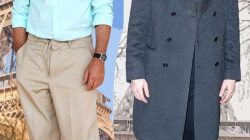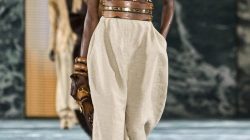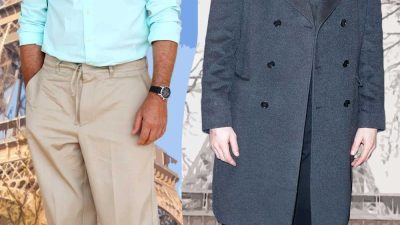
There’s a quiet confidence to the way French men dress, an artful dishevelment that looks both put-together and completely unintentional. This isn’t about chasing fleeting trends or wearing the loudest logo. The philosophy of french fashion men is rooted in something deeper: a mastery of timeless pieces, impeccable fit, and an attitude of nonchalance. It’s about looking great without looking like you tried too hard.
This approach can feel elusive, but it’s built on a set of core principles that anyone can learn. It’s less about a shopping list and more about a mindset—investing in quality, understanding proportion, and knowing that the most stylish thing you can wear is confidence.
At a Glance: Your Parisian Style Blueprint
- Embrace the “Less is More” Philosophy: Focus on a curated wardrobe of high-quality, versatile essentials rather than a closet overflowing with fast fashion.
- Master the Neutral Palette: Build your look around a foundation of navy, black, gray, cream, and white. These colors are timeless and effortlessly chic.
- Prioritize Fit Above All Else: A perfectly tailored garment is the cornerstone of Parisian style. “Slim-fit” here means skimming the body, not constricting it.
- Invest in Natural Fabrics: The drape of wool, the breathability of cotton, and the softness of cashmere are non-negotiable for achieving an elegant look.
- Use Accessories with Intention: A single, well-chosen accessory—a lightweight scarf, a quality leather bag—is far more impactful than a dozen flashy ones.
The Parisian Mindset: It’s Not About Fashion, It’s About Style
Before you even think about buying a single piece of clothing, it’s crucial to understand the philosophy that drives Parisian men’s style. It’s an approach that values longevity over novelty and personal expression over trend-following. The goal isn’t to look “fashionable”; it’s to look like a more refined, confident version of yourself.
This is the art of décontracté—a relaxed, casual elegance. It’s the difference between a man who is wearing a suit and a man who is living in his suit. The clothes don’t wear him; he wears the clothes. This comes from buying fewer but better things. A Parisian man would rather own one impeccable navy blazer that lasts a decade than ten trendy jackets that fall apart after a season.
This entire approach is built on a framework of timelessness and versatility. For a deeper dive into the overarching principles that define this aesthetic, our complete guide on how Parisian men Master Effortless Parisian Style provides the foundational context.
The Unshakeable Foundation: Your 10 Core Garments
Building a Parisian-inspired wardrobe is like creating a capsule collection. Each piece must be versatile, high-quality, and timeless. Here are the ten foundational items that form the backbone of true French men’s fashion.
| Category | Essential Garment | Why It Works |
|---|---|---|
| Outerwear | The Navy Blazer | The ultimate chameleon. Wear it over a t-shirt for a casual coffee or with a shirt for a dinner date. |
| The Classic Trench Coat | Perfect for transitional weather in fall and spring, it adds instant sophistication to any outfit. | |
| Tops | The Crisp White Shirt | Not just for the office. A slightly unbuttoned, well-fitting white shirt is effortlessly cool. |
| The Breton Stripe Shirt | The quintessential French top. Its nautical roots provide a touch of classic, casual flair. | |
| The Cashmere Sweater | In a neutral color like gray, navy, or black, it’s a layer of quiet luxury that works with everything. | |
| Bottoms | Slim-Fit Dark Denim | Choose a dark, uniform wash with no distressing. This makes them versatile enough for smart and casual looks. |
| The Versatile Chino | In beige, navy, or olive, slim-fit chinos are the perfect alternative to jeans. | |
| Footwear | Minimalist White Sneaker | A clean, low-profile leather sneaker (not a chunky running shoe) bridges the gap between smart and casual. |
| The Leather Loafer | Perfect for summer and smart-casual events, they signal refined taste without being stuffy. | |
| The Chelsea Boot | Sleek and versatile, a quality pair of leather or suede Chelsea boots elevates jeans and trousers alike. |
Case Snippet: Think of an art director heading to an apéro (after-work drinks) in Le Marais. He’s not in a suit. He’s likely wearing dark, slim A.P.C. jeans, a simple gray cashmere crewneck over a white tee, a tailored black leather jacket, and clean white sneakers. Each piece is simple, but the quality and fit make the entire look feel deliberate and impossibly cool.
The Secret Language of Fit and Fabric
You can own all the right pieces, but if the fit and fabric are wrong, you’ll miss the mark entirely. This is where French fashion for men truly separates itself.
“Slim-Fit” Doesn’t Mean “Tight”
In the American market, “slim-fit” can often mean uncomfortably tight. The Parisian interpretation is different. A slim-fit garment should follow the natural lines of your body without constricting movement.
- Shoulders: The seam of a jacket or shirt should sit perfectly on the edge of your shoulder bone.
- Torso: A blazer should button easily without pulling, and you should be able to slip a hand between the fabric and your chest.
- Trousers: The thigh should be trim, and the leg should taper gently toward the ankle. The hem should have little-to-no “break,” meaning it just grazes the top of your shoes.
An easy analogy: The fit should feel like a well-made glove, offering structure and shape, not like a sausage casing that reveals every detail. If you’re in doubt, buy the size that fits your shoulders and chest and invest a small amount to have a tailor take in the waist. This small adjustment makes an enormous difference.
Prioritize Natural Fibers: The Feel of Quality
Parisians prioritize materials that not only look good but feel good and age gracefully. Synthetic fabrics like polyester and acrylic are generally avoided in favor of natural fibers.
- Wool: Provides structure and drapes beautifully for blazers, trousers, and coats.
- Cotton: The foundation for shirts, chinos, and t-shirts due to its breathability and comfort.
- Linen: Essential for summer. Its tendency to wrinkle is considered part of its charm and adds to the décontracté vibe.
- Cashmere: A touch of soft, understated luxury for sweaters and scarves.
- Leather: For jackets, shoes, and bags. It develops a unique patina over time, telling a story.
These materials breathe better, last longer, and simply look more sophisticated than their synthetic counterparts.
Your Seasonal and Situational Style Playbook
The key to French style is adaptation. The same core pieces can be reconfigured for any season or occasion.
Scenario 1: The Casual Weekend Coffee
This is where effortless style shines. The goal is to look relaxed but not sloppy.
- The Formula: Slim dark-wash jeans + a Breton stripe long-sleeve tee + a navy bomber jacket + minimalist white sneakers.
- The Detail: A slight cuff on the jeans to show a bit of ankle. No visible socks.
Scenario 2: The Smart-Casual Dinner
Navigating the space between casual and formal is a French specialty.
- The Formula: Beige or navy slim-fit chinos + a crisp white Oxford shirt (unbuttoned one or two buttons) + a navy blazer + brown leather loafers.
- The Detail: Skip the tie. Consider a lightweight wool or silk scarf draped loosely around the neck if the weather calls for it.
Scenario 3: Surviving Winter in Style
Winter is about smart layering, not bulky Michelin Man silhouettes.
- The Formula: Flannel or wool trousers + a black turtleneck sweater + a classic wool pea coat or trench coat + leather Chelsea boots.
- The Detail: Add a cashmere beanie and leather gloves. The layers provide warmth without adding excessive bulk, maintaining a sharp silhouette.
Common Questions on Nailing Parisian Men’s Style
Is French men’s fashion expensive?
It’s an investment, not an expense. The initial cost of a high-quality wool coat or a pair of Goodyear-welted leather boots is higher than a fast-fashion alternative. However, these pieces will last for years, if not decades. The “cost-per-wear” is significantly lower, making it a more economical and sustainable choice in the long run.
What colors should I absolutely avoid?
There are no unbreakable rules, but the Parisian palette is intentionally restrained. Generally, steer clear of overly bright, neon colors and loud, complex patterns. The goal is to create a harmonious, understated look. If you do introduce color, do it with a single, small accessory, like a burgundy scarf or olive green socks.
Can I wear logos?
Subtlety is paramount. A small, discreet logo—like the heart on an AMI sweater or the small “A.P.C.” on the back of their jeans—is perfectly acceptable. However, large, billboard-style branding that screams for attention is the antithesis of Parisian elegance. The quality and cut of the garment should be the focus, not the brand name.
How is this different from Italian style?
While both value quality, they differ in expression. French style is more minimalist, intellectual, and rooted in a neutral palette (chic décontracté). Italian style (sprezzatura) is often more flamboyant and peacockish, embracing bolder colors, sharper tailoring, and a more pronounced “look at me” attitude. Think of a Parisian in a navy blazer and jeans versus an Italian in a brightly colored, unlined jacket with statement accessories.
Your First Steps to Effortless French Style
Adopting this aesthetic is a marathon, not a sprint. It’s about making gradual, intentional changes to your wardrobe and your mindset.
- Conduct a Wardrobe Audit. Go through your closet piece by piece. Keep the well-fitting items made from natural fibers in neutral colors. Identify what’s missing from your foundational 10. Be ruthless about donating or selling low-quality, trend-driven items that you haven’t worn in a year.
- Make Your First Smart Investment. Don’t try to buy everything at once. Start with one versatile, high-impact piece. This could be a perfectly fitting pair of dark denim from a brand like A.P.C., a tailored navy blazer from Officine Generale, or a pair of classic leather boots.
- Find a Good Tailor. This is the most important style “hack” of all. A tailor can make a $200 pair of trousers look like they cost $800. Getting the sleeves of your jacket shortened or the waist of your shirts taken in are small, affordable changes that create a polished, custom-made look.
Ultimately, the core of French style isn’t in the clothes themselves, but in the attitude with which they are worn. It’s a quiet self-assurance that comes from knowing you look good, without needing anyone else to tell you.