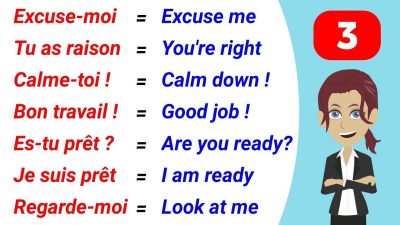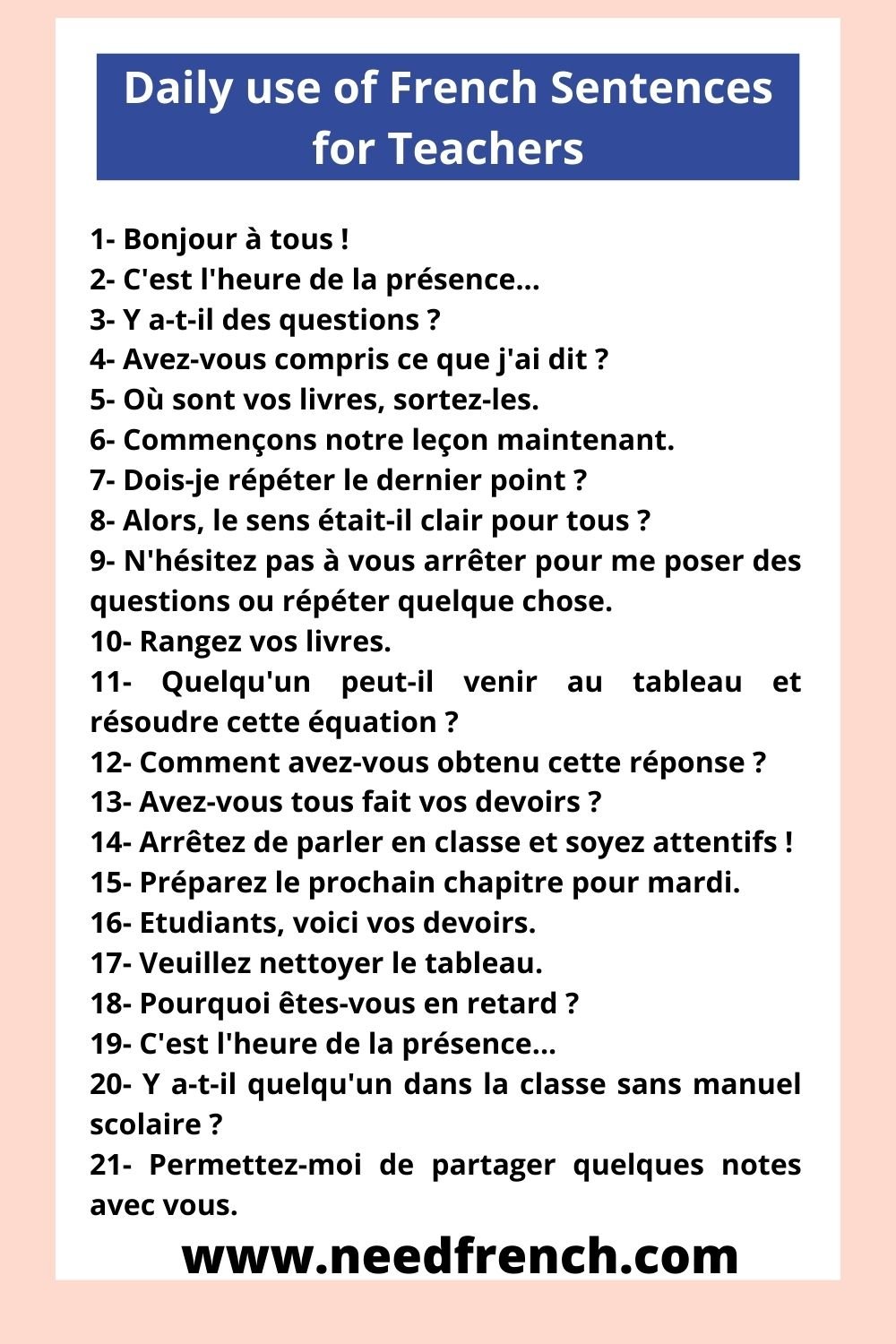
Walking into a bustling Parisian bakery, the aroma of fresh croissants in the air, can be intimidating if your vocabulary is limited. The key to unlocking these authentic experiences isn’t about becoming fluent overnight; it’s about mastering a core set of essential french phrases. Knowing how to say more than just “bonjour” and “merci” transforms you from a passive observer into an active participant, earning smiles and making your travels infinitely richer.
This guide goes beyond a simple list. We’ll dive into the phrases that open doors, clarify confusion, and help you navigate everyday situations with the confidence of a seasoned traveler. You’ll learn not just what to say, but how and when to say it, paying attention to the cultural nuances that make all the difference.
At a Glance: Your Takeaways
- Master the Art of Politeness: Learn the non-negotiable greetings and pleasantries that are the bedrock of French social interaction.
- Navigate Common Scenarios: Get the exact phrases you need for dining out, shopping, asking for directions, and using public transport.
- Understand Key Cultural Concepts: Grasp the crucial difference between
tuandvousto avoid awkward social missteps. - Communicate Effectively: Equip yourself with phrases to handle language barriers, ask for clarification, and keep conversations going.
- Build a Practical Toolkit: Find quick-reference tables and actionable tips you can start using immediately.
The Foundation: Understanding French Social Codes
Before memorizing phrases, it’s crucial to understand a few key concepts that underpin the French language. These aren’t just grammar rules; they are reflections of French culture that will make your interactions smoother and more respectful.
The Crucial Tu vs. Vous
French has two words for “you”: tu (informal) and vous (formal). Using the wrong one can be a significant social blunder.
Tu: Use this with friends, family, children, and people your own age in a casual setting. It implies familiarity and closeness.Vous: This is your default. Use it with strangers, shopkeepers, restaurant staff, anyone older than you, or in any professional context. It conveys respect and politeness. When in doubt, always start withvous. If the other person wants to switch totu, they will likely invite you to do so by saying, “On peut se tutoyer.”
A Note on Pronunciation
Don’t let pronunciation intimidate you. The effort is what counts. Keep these quick tips in mind:- Nasal Sounds: Vowels followed by ‘n’ or ‘m’ (like in bon, en, un) are pronounced through the nose without closing your lips on the ‘n’ or ‘m’.
- Silent Endings: Many consonants at the end of words (like -s, -t, -d, -x) are silent. For example,
trois(three) sounds like “trwa.” - Liaisons: When a word ending in a normally silent consonant is followed by a word starting with a vowel, the consonant sound is often carried over. For example,
vous êtes(you are) sounds like “voo-zet.”
Mastering these basics will help you build a solid foundation. For a more comprehensive look at vocabulary to help you Speak French like a local, our broader guide covers an even wider range of situations.
Making a Great First Impression: Greetings and Politeness
In France, politeness is paramount. Entering a shop without a greeting is considered rude. Mastering these simple phrases is the single most important thing you can do to ensure positive interactions.
The Essential Hellos and Goodbyes
You might know Bonjour, but context is everything.
- Bonjour: The all-purpose “Hello” or “Good day.” Use it from morning until late afternoon when entering any establishment or greeting anyone.
- Bonsoir: Use this in the evening to say “Good evening.” It replaces
Bonjouraround 6 p.m. - Salut: This is an informal “Hi.” Reserve it for friends, family, and peers in casual situations. Avoid using it with shopkeepers or officials.
- Au revoir: The standard, polite “Goodbye.” It literally means “until we see again” and is appropriate for any situation.
- Bonne journée / Bonne soirée: After an interaction, like leaving a bakery, it’s common to say “Have a good day!” (
Bonne journée) or “Have a good evening!” (Bonne soirée). You’ll hear this constantly, and returning the sentiment is a warm, local touch.
The “Ça Va?” Ritual
The phrase Comment ça va? (How are you?) is more than a question; it’s a conversational dance.
- The Question:
- Formal:
Comment allez-vous? - Standard/Informal:
Comment ça va?or simplyÇa va? - The Answer:
- A simple
Ça va bien, et vous/toi?(“I’m well, and you?”) is the standard reply. It’s a pleasantry, and a detailed account of your health is not expected unless you’re speaking with a close friend.
Example Scenario:
You walk into a small cheese shop (fromagerie). - You:
Bonjour, monsieur. - Shopkeeper:
Bonjour, madame/monsieur. Ça va? - You:
Ça va bien, merci. Et vous? - Shopkeeper:
Très bien, merci.
This brief exchange establishes a friendly, respectful tone before you even begin to shop.
The Golden Words of Politeness
- Please:
S'il vous plaît(formal) /S'il te plaît(informal). Literally “if it pleases you.” - Thank you:
Merci. For extra emphasis, useMerci beaucoup(Thank you very much). - You’re welcome:
De rien(It’s nothing) is common and casual.Je vous en prieis more formal and polite, perfect for when someone thanks you profusely.
Navigating the Language Barrier with Grace
Even with the best intentions, you’ll encounter situations where you don’t understand. These phrases are your lifeline.
- Do you speak English?:
Parlez-vous anglais? - Pro Tip: Always ask this in French first. It shows respect and acknowledges that you are in their country. Don’t just open with English.
- I don’t understand:
Je ne comprends pas. - I speak a little French:
Je parle un peu de français. - This is a great phrase that manages expectations and often earns you a more patient response.
- Could you please speak more slowly?:
Pourriez-vous parler plus lentement, s'il vous plaît? - Could you repeat that?:
Pourriez-vous répéter, s'il vous plaît? - How do you say… in French?:
Comment dit-on... en français? - This is an excellent tool for learning new words on the go. Point to an object and ask,
Comment dit-on ça en français?
The Traveler’s Toolkit: Phrases for Every Situation
Here are the practical, must-know phrases broken down by common travel scenarios.
In the Restaurant (Au Restaurant)
Dining in France is an experience. These phrases will help you navigate it smoothly.
- Getting a Table:
Une table pour deux personnes, s'il vous plaît.(A table for two people, please.) - Ordering: Instead of saying “I want,” the polite form is “I would like”:
Je voudrais... - Example:
Je voudrais le steak-frites.(I would like the steak and fries.) - Asking for the Menu/Bill:
La carte, s'il vous plaît?(The menu, please?)L'addition, s'il vous plaît?(The bill, please?)- Making a Recommendation Request:
Que recommandez-vous?(What do you recommend?)Quelles sont les spécialités locales?(What are the local specialties?)- Dietary Needs:
Je suis allergique à...(I’m allergic to…). It’s vital to know the French words for your allergens (e.g.,aux noix– nuts,au gluten– gluten). - Giving a Compliment:
C'était délicieux!(That was delicious!)
Cultural Insight: “Bon Appétit!”
When your food is served, your waiter will almost certainly say,Bon appétit!. It’s customary for fellow diners, even strangers at a neighboring table, to exchange this wish. The proper response is a simpleMerci, à vous aussi(Thanks, you too).
At the Market and in the Shops (Au Marché et Dans les Magasins)
Shopping, whether for groceries or souvenirs, is a core part of the travel experience.
| Situation | Phrase to Use | Notes |
|---|---|---|
| Asking the price | C'est combien? / Combien ça coûte? | Straightforward and effective. |
| Stating what you want | Je voudrais un kilo de tomates. | “I would like a kilo of tomatoes.” |
| Just looking | Je regarde seulement, merci. | “I’m just looking, thank you.” |
| Paying by card | Puis-je payer par carte? | “Can I pay by card?” |
| Finding something cheaper | Avez-vous quelque chose de moins cher? | “Do you have anything cheaper?” |
On the Move (Transports et Directions)
Navigating a new city is much easier with these phrases in your back pocket.
- Buying a Ticket:
Un billet pour [destination], s'il vous plaît.(A ticket to…, please.) - Specify if you want a one-way (
aller simple) or a round-trip (aller-retour). - Asking for Directions:
Excusez-moi, où est [la gare / le musée du Louvre]?(Excuse me, where is [the train station / the Louvre museum]?)- Understanding Directions:
à gauche(to the left)à droite(to the right)tout droit(straight ahead)- If You’re Lost:
Excusez-moi, je suis perdu(e).(Excuse me, I’m lost.) The ‘e’ is added if you are female. - Finding the Restroom:
Où sont les toilettes?(Where are the restrooms?)
Quick Answers to Common French Phrase Questions
Q: What’s the biggest mistake beginners make with French phrases?
A: The most common and jarring mistake is using tu (informal “you”) with strangers, especially service staff or older individuals. It can come across as disrespectful or overly familiar. Always default to vous until explicitly invited to do otherwise. Politeness is your safest bet.
Q: Is “Salut” always okay to use for “Hi”?
A: No. Salut is strictly for informal situations among peers, friends, and family. Walking into a boulangerie and greeting the baker with Salut would be inappropriate. Stick with the universally safe and respectful Bonjour.
Q: How do I say “sorry”? Is it “pardon” or “désolé”?
A: They have slightly different uses. Use Pardon for light, everyday bumps—like if you accidentally brush past someone in the metro. It’s a quick “excuse me.” Use Je suis désolé(e) for a more sincere apology when you’ve made a more significant mistake or need to express genuine regret.
Q: Why do French people say “Bonne journée” when you leave a shop?
A: This is a fundamental part of the social ritual of politeness. Bonne journée (“Have a good day”) or Bonne soirée (“Have a good evening”) is a standard, warm closing to an interaction. The correct response is to return the sentiment with Merci, à vous aussi (“Thank you, you too”) or Merci, également (“Thank you, likewise”).
Your First Steps to Sounding Like a Local
You don’t need to learn all 93 phrases from a list at once. The key is to start small and build confidence.
- Master the “Magic Five”: Before you go, perfect your pronunciation of
Bonjour,S'il vous plaît,Merci,Excusez-moi, andAu revoir. These five phrases will handle 80% of your polite interactions. - Practice One Scenario: Pick one situation you know you’ll encounter, like ordering a coffee. Learn the specific phrases:
Bonjour. Je voudrais un café, s'il vous plaît.andL'addition, s'il vous plaît.Practice them until they feel natural. - Embrace Mistakes: Your accent won’t be perfect, and you might stumble over words. That’s okay. The French generally appreciate foreigners who make an effort to speak their language. A warm smile and a polite attempt go a long way.
By focusing on these essential french phrases and the cultural context behind them, you’re not just learning a language—you’re gaining a key to a more authentic and rewarding travel experience. So, take a deep breath, practice a few key phrases, and get ready to connect.Bon voyage!