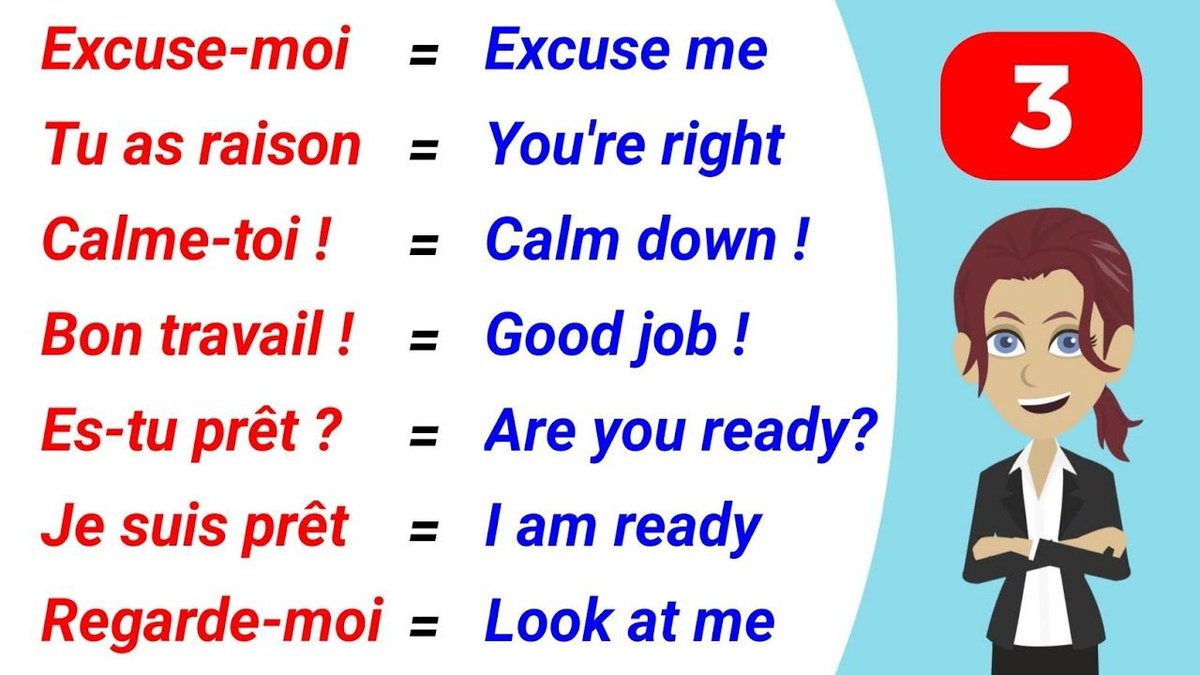
The aroma of coffee and warm croissants fills the Parisian air. You step up to the counter, ready to order, but the words catch in your throat. This moment, so simple yet so intimidating, is where learning a few basic french phrases can transform your experience from silent observer to active participant. It’s not about fluency; it’s about connection, respect, and unlocking a richer, more authentic travel experience.
This guide is your practical starting block. We’ll move beyond simple lists and give you the context, pronunciation tips, and confidence to use these phrases correctly from your very first Bonjour.
At a Glance: Your Quick Start Guide
- Master the Essentials: Learn the non-negotiable greetings, thank yous, and apologies that form the backbone of polite conversation.
- Decode Pronunciation: Get simple, actionable tips for common sounds that trip up English speakers, so you can speak with more confidence.
- Navigate
Tuvs.Vous: Understand the crucial difference between the informal and formal “you” to avoid social blunders. - Build Your Traveler’s Toolkit: Find categorized phrases for real-world situations like ordering food, asking for directions, and shopping.
- Adopt a Simple Practice Plan: Discover a 3-step routine to move phrases from your screen into your long-term memory.
The Foundation: More Than Just Words
Before diving into lists of vocabulary, it’s crucial to understand the cultural mindset behind using French phrases as a visitor. Making an effort, even if your accent isn’t perfect, is seen as a sign of respect. It signals that you appreciate the local culture and aren’t just expecting everyone to cater to you in English.
The single most important concept to grasp is the use of vous and tu.
Vous(Formal “You”): This is your default. Use it with anyone you don’t know, store clerks, restaurant staff, people older than you, or in any professional setting. It’s the safe, polite, and respectful choice.Tu(Informal “You”): Reserve this for friends, family, children, and people who have explicitly invited you to use it (they might sayon peut se tutoyer). Usingtuwith a stranger can be perceived as overly familiar or even rude.
When in doubt, always start withvous. It’s a small detail that makes a huge difference. Mastering these politeness rules is your first step. Once you have this foundation, you can expand your vocabulary with a full guide to help you Speak French like a local.
Your First Conversation: Greetings and Politeness
Every interaction in France begins with a proper greeting. Walking into a shop, bakery, or even a doctor’s office without saying hello is considered impolite. These are the absolute essentials.
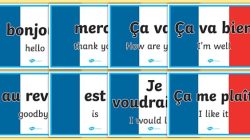
| English Phrase | French Phrase | Pronunciation & Notes |
|---|---|---|
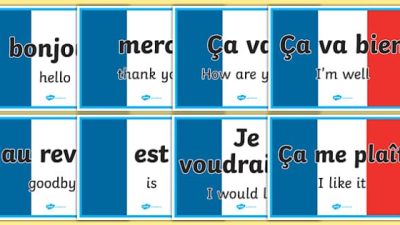
| Hello / Good day | Bonjour | bon-ZHOOR (Use all day until the evening) |
| Good evening | Bonsoir | bon-SWAHR (Use from around 6 PM onwards) |
| Hi (Informal) | Salut | sa-LOO (Use only with people you’d use tu with) |
| Goodbye | Au revoir | oh ruh-VWAR (Literally “until we see again,” the standard goodbye) |
| Please | S’il vous plaît | seel voo PLAY (The formal/plural version. Your default) |
| Thank you | Merci | mehr-SEE |
| Thank you very much | Merci beaucoup | mehr-SEE boh-KOO |
| You’re welcome | De rien | duh ree-EN (Common and slightly informal) |
| You’re welcome | Je vous en prie | zhuh voo-zawn PREE (More formal and polite) |
| Excuse me / Sorry | Excusez-moi / Pardon | ex-kew-zay MWAH / par-DON (Both work for getting attention or apologizing) |
| Scenario in Action: | ||
| You walk into a small fromagerie (cheese shop). |
- You: Bonjour, monsieur. (Hello, sir.)
- Shopkeeper: Bonjour, madame/monsieur. Je peux vous aider ? (Hello, ma’am/sir. Can I help you?)
- You: Je voudrais… (I would like…)
- (After your purchase)
- You: Merci beaucoup. (Thank you very much.)
- Shopkeeper: Je vous en prie. Au revoir. (You’re welcome. Goodbye.)
- You: Au revoir. Bonne journée ! (Goodbye. Have a good day!)
Notice the use ofBonne journée(Have a good day!). It’s a warm way to end a daytime interaction. In the evening, you would useBonne soirée(Have a good evening!).
Making Yourself Understood: The Communication Toolkit
It’s okay not to understand everything. The key is having the phrases to manage the conversation and get the help you need. This is your communication safety net.
- Do you speak English? – Parlez-vous anglais ? (par-lay voo ahn-GLAY?)
- I understand. – Je comprends. (zhuh kom-PRON)
- I don’t understand. – Je ne comprends pas. (zhuh nuh kom-PRON pah)
- I speak a little French. – Je parle un peu de français. (zhuh parl uhn puh duh fron-SAY)
- Could you repeat that? – Pourriez-vous répéter ? (poo-ree-ay voo ray-pay-TAY?)
- Could you please speak a little slower? – Pourriez-vous parler plus lentement, s’il vous plaît ? (poo-ree-ay voo par-lay ploo LONT-uh-mon, seel voo play?)
- How do you say… in French? – Comment dit-on… en français ? (kom-mon dee-TON… on fron-SAY?)
- What does that mean? – Qu’est-ce que ça veut dire ? (kesk-suh vuh DEER?)
Being able to say Je ne comprends pas is far more effective than just smiling blankly. It invites the other person to help you by slowing down, rephrasing, or using gestures.
A Practical Playbook for Your Travels
Here are categorized phrases to help you navigate the most common travel situations.
Ordering Food and Drinks Like a Pro
Dining is a cornerstone of French culture. These phrases will help you order with confidence and show appreciation.
| English | French |
|---|---|
| A table for two, please. | Une table pour deux, s’il vous plaît. |
| The menu, please. | La carte, s’il vous plaît. |
| I would like… | Je voudrais… |
| The bill, please. | L’addition, s’il vous plaît. |
| A beer/glass of red wine, please. | Une bière/un verre de vin rouge, s’il vous plaît. |
| Water | De l’eau (duh LOH) |
| What do you recommend? | Qu’est-ce que vous recommandez ? |
| That was delicious! | C’était délicieux ! |
| I am allergic to… | Je suis allergique à… |
Expert Tip: Je voudrais (“I would like”) is a more polite and softer way of ordering than Je veux (“I want”). It’s a small change that makes a big difference in tone.
Shopping and Handling Money with Confidence
From browsing a market to paying at a boutique, these phrases are essential.
| English | French |
|---|---|
| How much is it? | C’est combien ? |
| It’s too expensive. | C’est trop cher. |
| Can I pay by credit card? | Puis-je payer par carte de crédit ? |
| I’m just looking. | Je regarde seulement. |
| Where is the nearest ATM? | Où se trouve le guichet automatique le plus proche ? |
Getting Around: Directions and Transportation
Whether you’re navigating the Paris Métro or looking for a landmark, you’ll need these.
| English | French |
|---|---|
| I’m lost. | Je suis perdu(e). (add ‘e’ if you’re female) |
| How do I get to…? | Comment puis-je aller à… ? |
| Where is the train station? | Où est la gare ? |
| Left / Right / Straight ahead | À gauche / À droite / Tout droit |
| A ticket to…, please. | Un billet pour…, s’il vous plaît. |
In Case of Emergency
Hopefully, you’ll never need these, but it’s wise to know them just in case.
| English | French |
|---|---|
| Help! | Au secours ! (oh suh-KOOR!) |
| Call the police/an ambulance! | Appelez la police/une ambulance ! |
| I need a doctor. | J’ai besoin d’un médecin. |
| Where is the pharmacy? | Où est la pharmacie ? |
A Simple Practice Routine That Actually Works
Knowing the phrases is one thing; being able to recall them under pressure is another. The key is active practice. Experts suggest a simple routine based on repetition and mimicry. You only need 5-10 minutes a day.
- Choose 5 Phrases: Don’t overwhelm yourself. Pick five phrases from this guide that you want to master today.
- Say, Record, Listen: Say each phrase out loud three times. Then, use your phone’s voice recorder to record yourself saying it. Listen back and compare it to an online audio pronunciation (Google Translate’s audio feature is great for this). Your brain will automatically start correcting your accent.
- Mimic a Native Speaker: Find a short YouTube video or a clip from a French TV show. Listen to one simple sentence and try to mimic the rhythm, intonation, and sounds exactly. This trains your mouth and ears for the flow of the language.
According to language acquisition experts, a vocabulary of 50-100 core phrases is enough to handle the vast majority of common travel situations.
Pronunciation Pitfalls to Avoid:
- The French “u” vs. “ou”: This is the #1 mistake. “ou” (as in vous) sounds like the “oo” in “soup.” The French “u” (as in tu or salut) has no English equivalent. To make it, say “ee” but round your lips tightly as if you’re about to whistle.
- Nasal Sounds: Sounds like on, an, and en are nasal. The air should pass through your nose, not just your mouth. Think of the “n” in the English word “song.” For bonjour, the “on” is nasal.
- Silent Letters: French is notorious for silent final consonants. In words like beaucoup or trop, the final ‘p’ is silent. In français, the ‘s’ is silent. When in doubt, assume the last consonant is silent.
Quick Answers to Common French Phrase Questions
Q: How many basic French phrases do I really need for a trip?
A: You can have a fantastic and respectful trip with just 20-30 core phrases covering greetings, politeness, ordering food, and asking for help. For more comfortable navigation, aiming for a vocabulary of 50-100 phrases is a great goal.
Q: Is it rude to start a conversation by asking “Parlez-vous anglais?”
A: Not at all, especially if you say it politely. In fact, it’s much better than just launching into English. For extra politeness, start with a simple, “Bonjour. Excusez-moi, parlez-vous anglais ?” This shows you’re making an effort right from the start.
Q: What’s the difference between Bonsoir and Bonne soirée?
A: This is a common point of confusion. Bonsoir is a greeting, like “Good evening,” used when you arrive or meet someone. Bonne soirée is a farewell, like “Have a good evening,” used when you leave. The same logic applies to Bonjour (hello) and Bonne journée (have a good day).
Q: I get nervous and forget everything. Any tips?
A: Write down 3-5 essential phrases on a small card or in your phone’s notes app. Before entering a shop or restaurant, take a deep breath and quickly review them. Having a “cheat sheet” can significantly boost your confidence and recall.
Your First French Challenge
You don’t need a plane ticket to start. Your journey to speaking French begins with a single step. Today, pick three phrases from this guide—Bonjour, Merci, and S'il vous plaît. Use the practice routine above to say them, record them, and listen back.
These basic French phrases are more than just vocabulary; they are keys. They unlock doors to friendlier interactions, more memorable meals, and a genuine connection to the places you visit. Start small, be consistent, and don’t be afraid to make mistakes. The effort itself is what truly matters. Bon voyage !