Here is the detailed cluster article, crafted according to your specifications.
The romanticized image of a sun-drenched Parisian spring can be a bit of a trap for first-time visitors. The reality of the weather in Paris March and April is a dynamic, often unpredictable mix of glorious sunshine, sudden showers, and lingering winter chill. Understanding this transition is the key to a brilliant trip, allowing you to pack smart, plan flexibly, and truly enjoy the city as it awakens.
Forget trying to predict the perfect day; instead, prepare for the delightful variability. This is when Paris sheds its winter coat, café chairs start reappearing on sidewalks, and the city’s famous gardens begin to burst with color. It’s a magical time, provided you’re ready for anything.
At a Glance: Your Spring Weather Guide
- Expect a Tale of Two Months: March is still very much a winter-to-spring transition, while April feels more firmly planted in spring. Don’t treat them as the same.
- Layering Is Your Strategy: The temperature can swing 15-20°F (about 8-11°C) in a single day. Your packing strategy should be built around adaptable layers.
- Rain Is a Near Certainty: Plan for rain, not around it. An umbrella and a waterproof jacket are non-negotiable items.
- Daylight Increases Dramatically: You’ll gain nearly two hours of daylight from the beginning of March to the end of April, giving you more time for exploring.
- Embrace the “Inside-Outside” Itinerary: The best spring days in Paris combine outdoor strolls with cozy indoor stops like museums, covered passages, and cafés.
March vs. April: A Tale of Two Spring Months
While often grouped together, March and April offer distinctly different experiences. March is temperamental, with a real possibility of cold snaps, while April is generally milder and more consistently “spring-like.” While the idyllic conditions of Paris’s pleasant September weather are a ways off, the city’s energy is palpable.
Here’s a quick breakdown based on climate averages:
| Metric | March in Paris | April in Paris |
|---|---|---|
| Average High Temp | 54°F (12°C) | 61°F (16°C) |
| Average Low Temp | 41°F (5°C) | 45°F (7°C) |
| Average Rainy Days | ~13 days | ~13 days |
| Average Rainfall | ~1.9 inches (48 mm) | ~1.8 inches (46 mm) |
| Daily Sunshine | ~4 hours | ~5.5 hours |
| This data tells a clear story: April is noticeably warmer and sunnier, even with a similar number of rainy days. That 7°F (4°C) jump in average high temperature makes a world of difference in how a day feels on the streets of Paris. |
March: Shaking Off Winter’s Chill
Think of March as late winter with promising glimpses of spring. The sun might be out, but a brisk wind can make the “real feel” temperature much colder than what the forecast says. The bare trees are just beginning to show buds, and while you’ll see some daffodils, the full floral explosion is yet to come.
- What It Feels Like: On a sunny day, sitting in a “sun trap” cafe corner can feel glorious. But step into the shade or when a cloud passes, and you’ll want your jacket zipped up. Mornings and evenings are consistently cold. A 54°F (12��C) high might sound mild, but it often doesn’t arrive until mid-afternoon.
- Best Activities: This is a prime month for museum-hopping. You can enjoy the Tuileries Garden on a sunny afternoon but have a backup plan to duck into the Louvre or Musée de l’Orangerie if the weather turns. It’s also perfect for exploring the covered passages (passages couverts) like Galerie Vivienne.
- A Real-World Scenario: You leave your hotel at 10 AM. It’s 43°F (6°C) and cloudy. You wear a sweater, a light down jacket, and a scarf. By 2 PM, the sun is out, it’s 55°F (13°C), and you’ve taken off the jacket and scarf. By 7 PM, as you leave dinner, it’s 45°F (7°C) with a damp chill in the air, and you’re glad you have all your layers back on.
April: When Paris Truly Blooms
April is when the city’s romance factor kicks into high gear. The iconic chestnut trees begin to leaf out, cherry blossoms appear in parks like the Jardin des Plantes, and wisteria drapes over buildings in the Marais. The energy is optimistic and vibrant.
- What It Feels Like: April days feel significantly more comfortable. You can often get by with just a trench coat or medium-weight jacket over a long-sleeved shirt. While rain is just as frequent as in March, it often comes in shorter bursts—the classic “April showers”���rather than long, gray drizzles.
- Best Activities: This is the time for parks. A picnic at the Place des Vosges or a stroll through the Luxembourg Gardens becomes a must-do. The open-air markets, like the one on Rue Mouffetard, are buzzing. You’ll see more people lingering at outdoor café tables, soaking up the long-awaited warmth.
- A Real-World Scenario: You plan a day exploring Montmartre. You start with a light jacket. A sudden, 20-minute shower sends you diving into a small café for an espresso. The sun comes back out, brighter than before, and you spend the rest of the afternoon wandering the sunny streets, jacket draped over your arm.
The Parisian Spring Playbook: How to Pack and Plan
Success in spring in Paris comes down to preparation. With the right gear and a flexible mindset, you won’t just survive the weather in Paris March and April; you’ll thrive in it.
Your Packing Checklist: The Art of Layering
Your suitcase should be a toolkit for adaptation. “Layering” isn’t just a suggestion; it’s the fundamental rule.
Outerwear (Choose ONE robust option):
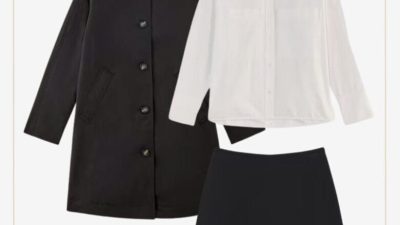
- A classic trench coat: Ideally with a removable liner. It’s wind-resistant, often water-resistant, and quintessentially Parisian.
- A stylish waterproof rain jacket: Look for something breathable. A technical jacket from a brand like Arc’teryx or Patagonia can be perfect if it’s in a neutral color like black or navy.
Mid-Layers (Pack two or three): - Merino wool or cashmere sweater: A thin, warm, and breathable V-neck or crewneck is incredibly versatile.
- A light fleece or quarter-zip: A more casual option for long days of walking.
- A chic cardigan: Can be dressed up for a nice dinner.
Base Layers (The foundation): - Long-sleeved t-shirts or tops: Perfect for wearing under sweaters.
- A thermal or silk long-underwear top: For an extra-cold March day, this thin layer adds significant warmth without bulk.
Footwear (Crucial for comfort): - Water-resistant leather boots: Ankle boots are perfect. They handle cobblestones and puddles with ease and look great. Make sure they are well broken-in.
- Stylish, comfortable sneakers: Choose a dark-colored leather or water-resistant pair. Avoid bright white canvas shoes that will show dirt and get soaked easily.
Essential Accessories: - A sturdy, compact umbrella: Don’t buy a cheap one on the street; it will collapse in the first gust of wind.
- A large scarf: The single most important Parisian accessory. It adds warmth, a pop of color, and can even serve as a makeshift hood in a light drizzle.
- Light gloves and a beanie: Especially for March mornings and evenings. They take up no space and make a huge difference.
Itinerary Planning: The “Plan A / Plan B” Method
For every outdoor activity (Plan A), have a nearby indoor alternative (Plan B). This removes the stress of a sudden downpour and makes you feel like a savvy local.
- Strolling the Seine (Plan A): If it starts to rain, your Plan B is to duck into the Musée d’Orsay, the Louvre, or the Shakespeare and Company bookstore, depending on where you are.
- Exploring Le Marais (Plan A): Your Plan B can be the Musée Picasso, the Maison Européenne de la Photographie, or diving into the covered market, the Marché des Enfants Rouges.
- Jardin du Luxembourg (Plan A): Your Plan B is to visit the Panthéon right nearby or find a cozy café on the Boulevard Saint-Germain for a chocolat chaud.
Quick Answers to Common Spring Weather Questions
Q: Is snow possible in Paris in March?
A: It’s very rare, but not impossible. You might see a few wet flakes that melt on contact, but accumulating snow is highly unlikely. It’s more of a novelty than a travel disruption.
Q: Will it rain all day, every day?
A: Almost never. The most common type of rain is a passing shower or a steady but light drizzle that lasts for a few hours. A full day of heavy, non-stop rain is uncommon. The key is that you should expect to encounter rain on most days, even if it’s just for 30 minutes.
Q: Can I wear sandals or open-toed shoes in April?
A: I would strongly advise against it. Even on a sunny day, the pavement can be cool, and you’re leaving yourself exposed to puddles from an earlier shower. Parisians typically don’t bring out open-toed shoes until May or June. Stick to stylish, comfortable, and dry closed-toe shoes.
Q: Is a heavy winter coat necessary for March?
A: Probably not a full-on parka, unless you are extremely sensitive to cold. A mid-weight wool coat or a trench coat with a warm sweater underneath is usually sufficient for the average daytime temperature. The goal is warmth through layers, not a single bulky item.
Embrace the Unpredictability
The weather in Paris March and April is a character in your travel story, not just a backdrop. Some of your best memories might come from spontaneously ducking into a tiny patisserie during a rain shower or feeling the first truly warm sun of the year on your face while sitting in the Jardin des Tuileries.
By packing smart with versatile layers and planning a flexible itinerary, you remove the weather as a source of stress. You’re prepared for the chill, ready for the rain, and poised to soak up every glorious, sun-filled moment. Go with the flow, and you’ll discover the unique and unforgettable charm of Paris in the spring.