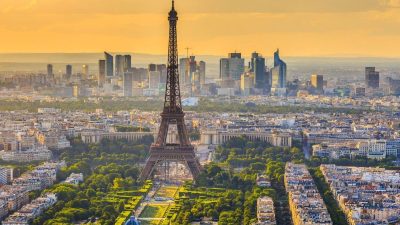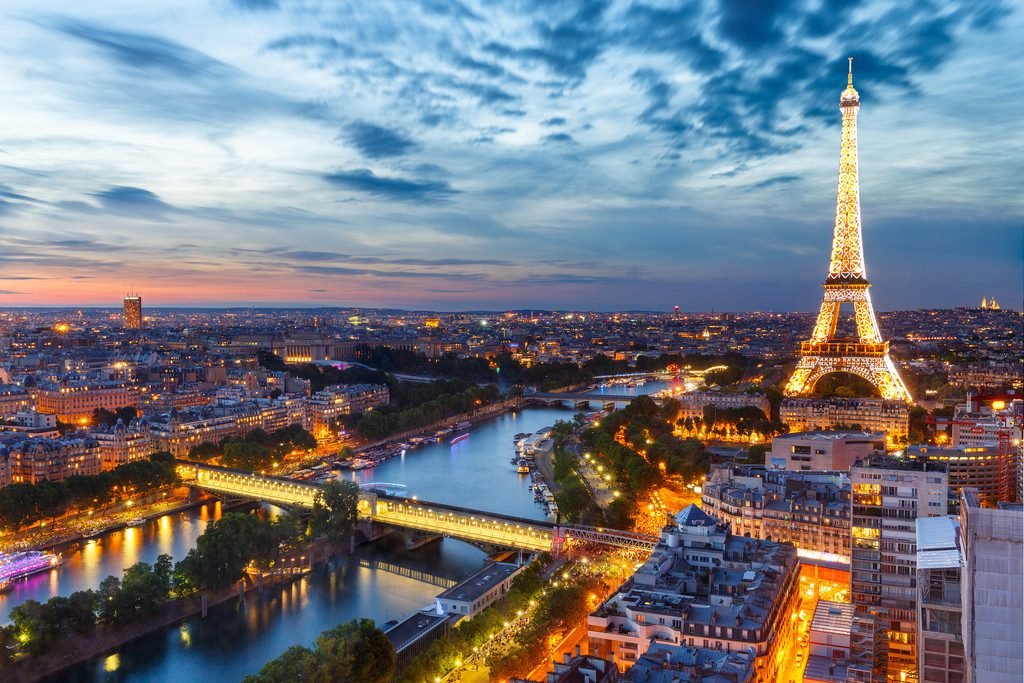
Everyone has a picture of Paris in their mind—the twinkling Eiffel Tower, cafés spilling onto cobblestone streets, and artists painting along the Seine. But when it comes to booking a flight, the big question is always: is Paris a good place to visit in reality, or is it just a beautiful idea? The truth lies somewhere in the middle, and for the savvy traveler, knowing what to expect is the key to unlocking the city’s magic.
Paris can be the trip of a lifetime or a frustrating lesson in managing expectations. It’s a city of immense beauty and deep culture, but also one that sees 40 million tourists a year. Understanding this duality is the first step toward a truly great trip.
At a Glance: The Parisian Reality Check
Here��s what you need to decide if Paris is the right destination for you:
- World-Class vs. World-Crowded: You’ll see masterpieces at the Louvre and Musée d’Orsay, but you’ll share them with thousands of others.
- Iconic Sights & Tourist Traps: The landmarks are breathtaking, but the areas around them require vigilance against scams and inflated prices.
- Gastronomic Heaven at a Price: From Michelin stars to corner-shop croissants, the food is sublime, but your budget can vanish quickly without a plan.
- Charming & Gritty: Paris is a real, working city of 2 million people, not a theme park. Expect stunning beauty alongside everyday urban life.
- Effortless to Navigate: The public transport system is fantastic, making it easy to explore the city’s 20 distinct districts (arrondissements).
The Dazzling Highs: What Makes Paris Unforgettable
Paris’s reputation as a top global destination is well-earned. Its strengths are powerful, offering experiences you simply can’t find anywhere else. The city’s core appeal is built on a foundation of undeniable beauty and romance; the reasons Why Paris is romantic are layered into its architecture, its culture, and its way of life.
Pro: You’re Walking Through a Living Museum
From the Gothic splendor of the Notre-Dame Cathedral (built between 1163 and 1345) to the “exposed skeleton” of the modern Centre Pompidou, Paris is a timeline of Western architecture. You don’t have to hunt for beauty; it finds you. Stroll through the trendy Le Marais district and you’ll pass Renaissance-era mansions just minutes from chic, modern boutiques.
This extends to the 130+ museums. The big three—the Louvre, Musée d’Orsay, and Centre Pompidou—are just the start. You can find museums dedicated to everything from Picasso and Rodin to magic and counterfeit goods.
How to make it work for you:
Don’t try to see it all. Pick one major museum and pair it with a smaller, more specialized one. For example, visit the massive Louvre in the morning and the intimate Sainte-Chapelle in the afternoon to marvel at its 15-meter-tall stained-glass windows without the same level of museum fatigue.
Pro: A Paradise for Foodies of All Kinds
The Parisian food scene is legendary for a reason. It’s not just about fine dining. It’s the simple perfection of a warm pain au chocolat from a local boulangerie, the communal joy of sharing a raclette, or grabbing a savory crêpe from a street-side stand.
You can indulge in world-famous macarons from Ladurée, sip life-changing hot chocolate at Angelina, or explore the food stalls along Rue Mouffetard. The city’s on-street café terraces are a cultural institution, offering the perfect spot to people-watch with a coffee or a glass of wine.
How to make it work for you:
Lunch is your friend. Many restaurants offer a fixed-price menu (formule) for lunch that is significantly cheaper than their dinner service. For a budget-friendly and authentic experience, assemble a picnic with a baguette, cheese, and fruit from a local market like Marché des Enfants Rouges and enjoy it in the Jardin du Luxembourg.
Pro: The Sheer Joy of Getting Lost
While landmarks like the 312-meter-tall Eiffel Tower are must-sees, the real soul of Paris reveals itself when you put the map away. Each of the 20 arrondissements has a distinct personality. Wander the cobblestoned hills of Montmartre, explore the historic covered shopping passages, or cross one of the 37 bridges over the Seine, like the ornate Pont Alexandre III.
The city’s green spaces are an escape within the city. The Tuileries Garden offers classical statues and manicured lawns, while the elevated Promenade Plantée provides a unique green walkway on an old railway line.
The Potential Pitfalls: What Can Go Wrong in Paris
No city is perfect, and Paris’s immense popularity creates challenges. Being aware of them isn’t about being negative; it’s about being prepared so you can sidestep the frustration.
Con: The Crowds Can Be Draining
With nearly 40 million visitors annually, you will rarely have a famous site to yourself. Lines for the Eiffel Tower, the Louvre, and even popular restaurants can be hours long, especially during peak season (summer). This can lead to a sense of being rushed and herded, which detracts from the magic.
How to mitigate it:
- Book Everything in Advance: Timed-entry tickets for museums and attractions are essential. Buy them online from the official websites weeks before your trip.
- Go Early or Late: Arrive at major landmarks right at opening time or visit smaller museums in the late afternoon when crowds start to thin.
- Embrace the Off-Season: Consider visiting in the spring or fall when the weather is still pleasant but the crowds are more manageable.
Con: It Can Be Incredibly Expensive
Paris is one of the world’s most expensive cities. A simple meal can cost €25–€30 per person, and the costs for attractions, transport, and shopping add up quickly. Without a clear budget, it’s easy to overspend.
How to mitigate it:
- Use Public Transit: The Metro is efficient and affordable. Buy a “Carnet” of 10 tickets or a Navigo Pass for longer stays to save money. A taxi from the airport can be €80, while the train is a fraction of that.
- Eat Smart: Look for bakeries for cheap and delicious sandwiches (jambon-beurre). Grocery stores like Monoprix and Franprix are great for picking up drinks, snacks, and picnic supplies.
- Leverage Free Attractions: Many of the best Parisian experiences are free: walking through parks, admiring architecture from the outside, and enjoying the festive atmosphere on Bastille Day (July 14th). Many museums are free for visitors under 18.
Con: The Risk of Scams and Petty Theft
Like any major tourist destination, Paris has its share of pickpockets and scammers. They often operate in crowded areas like the Metro, Montmartre, and around the Eiffel Tower. Common scams include people asking “Do you speak English?” before launching into a sob story, aggressive “friendship bracelet” sellers, or people with clipboards asking for petition signatures as a distraction for theft.
How to mitigate it:
- Be Aware of Your Surroundings: Keep your wallet in a front pocket and wear your backpack on your front in crowded places. Be wary of anyone creating a commotion or getting unnecessarily close.
- Politely but Firmly Say “Non”: A confident “No, thank you” and walking away is the best defense against unsolicited offers.
- Secure Your Valuables: Don’t leave your phone on a café table. Use a bag that zips securely.
A Practical Decision Guide: Is Paris Right for You?
So, is Paris a good place to visit? The answer depends entirely on your travel style and priorities.
| If you are a traveler who… | Then Paris is an EXCELLENT choice because… |
|---|---|
| Loves art, history, and architecture | It offers an unparalleled concentration of world-class museums, historic landmarks, and beautiful buildings. |
| Is a passionate foodie | The culinary scene is diverse and exceptional, from Michelin-starred dining to perfect neighborhood bakeries. |
| Enjoys urban exploration and walking | It’s a city best discovered on foot, with charming streets, hidden courtyards, and beautiful parks at every turn. |
| Appreciates romance and beautiful settings | The city’s atmosphere, from the Seine at sunset to the glittering Eiffel Tower, is famously romantic and inspiring. |
| On the other hand, if you… | You might find Paris CHALLENGING because… |
| ———————————————————- | —————————————————————————————————————— |
| Hate large crowds and long lines | The sheer volume of tourists can be overwhelming, especially at major attractions during peak season. |
| Are traveling on a very tight budget | It is an expensive city. Accommodation, food, and attractions can be costly without careful planning. |
| Prefer quiet, nature-focused holidays | While it has beautiful parks, Paris is a dense, bustling metropolis. |
| Get easily frustrated by language barriers or scams | Navigating minor scams and the occasional brusque interaction requires a bit of resilience and awareness. |
Quick Answers to Common Paris Questions
Is Paris safe for a first-time solo traveler?
Yes, generally. The primary risk is petty crime like pickpocketing, not violent crime. By taking standard precautions—securing your belongings, being aware of your surroundings, and avoiding unlit areas late at night—solo travelers can have a wonderful and safe experience.
How many days are enough for Paris?
For a first visit, 4 to 5 days is a good amount of time. This allows you to see the major landmarks like the Eiffel Tower and the Louvre, explore a couple of distinct neighborhoods like Le Marais and Montmartre, and enjoy the café culture without feeling rushed.
Do I need to speak French to visit Paris?
No, you don’t need to be fluent. In tourist areas, most people in the service industry speak English. However, learning a few basic phrases is highly recommended. A simple “Bonjour” (Hello), “Merci” (Thank you), “S’il vous plaît” (Please), and “Au revoir” (Goodbye) shows respect and will be greatly appreciated.
What is the most overrated thing in Paris?
This is subjective, but many travelers find the Champs-Élysées to be underwhelming. While famous, it is now mostly lined with international flagship stores you can find in any major city. For a more authentic Parisian shopping experience, explore the boutiques in Le Marais or the department stores (Grands Magasins) like Galeries Lafayette.
The Final Verdict
So, is Paris a good place to visit? For the traveler who prepares, absolutely. Paris rewards those who look beyond the postcard image and embrace it for what it is: a breathtakingly beautiful, complex, and living city.
It’s a place where you can see the Mona Lisa in the morning, lose yourself in a medieval alley in the afternoon, and watch the Eiffel Tower’s 20,000 bulbs sparkle against the night sky. The challenges—the crowds, the cost, the grit—are real, but they are far outweighed by the city’s incredible rewards. If you arrive with open eyes and a well-thought-out plan, you won’t just visit Paris; you’ll fall in love with it.