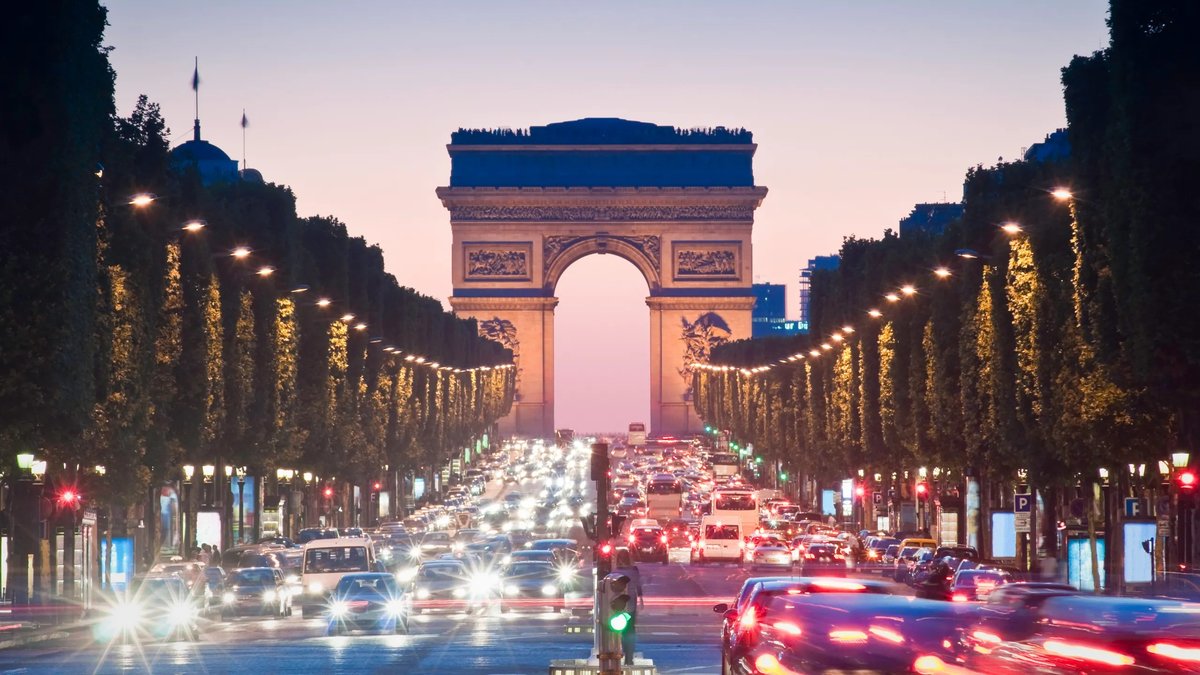
You’ve seen the headlines and the dramatic news clips, and now you’re asking: is it safe to travel to France right now? With news of protests, pension reform strikes, and security alerts, it’s a fair question. The short answer is yes, it is generally safe, but traveling to France in the current climate requires a different kind of preparation—one that prioritizes awareness and adaptability over worry.
This isn’t about canceling your dream trip to see the Eiffel Tower or explore the lavender fields of Provence. It’s about understanding the specific on-the-ground realities so you can navigate them like a seasoned traveler, not a startled tourist. This guide cuts through the noise to give you a practical, clear-eyed view of the situation and actionable steps to ensure your visit is as safe and spectacular as you’ve imagined.
At a Glance: Your France Safety Briefing
- The Main Concern is Disruption, Not Danger: For most travelers, the biggest impact of protests and strikes is logistical—delayed trains, closed museums, or rerouted traffic—not direct physical risk.
- Petty Crime is the More Common Threat: Pickpocketing, bag-snatching, and scams in high-traffic tourist areas remain a far more likely issue than being caught in a demonstration.
- Official Advisories Mean “Be Aware,” Not “Stay Away”: The U.S. State Department has issued a Level 2 Travel Advisory for France. This advises travelers to “Exercise Increased Caution,” primarily due to the potential for terrorism and civil unrest. It’s a call for vigilance, not cancellation.
- Preparation is Your Best Tool: Knowing how to stay informed, what areas to avoid, and having backup plans are the keys to a smooth trip.
- Millions Visit Safely Every Year: It’s crucial to remember that France is one of the world’s top tourist destinations. The overwhelming majority of visits are trouble-free.
Understanding the Current Environment: Protests, Strikes, and Advisories
To travel safely, you first need to understand the context behind the headlines. Civil demonstrations and labor strikes (grèves) are a long-standing part of French civic life. While recent events related to pension reforms have been particularly widespread, they are not random acts of chaos. They are typically organized, announced in advance, and concentrated in specific locations.
The key for a traveler is that these events are almost never aimed at tourists. You are an observer, not a target. The primary risks are getting caught in a crowd, facing transportation shutdowns, or finding a planned activity unexpectedly canceled.
The U.S. State Department’s Level 2 advisory reflects this, alongside a persistent, Europe-wide risk of terrorism. Official guidance urges travelers to:
- Avoid demonstrations and crowds.
- Stay alert in tourist hotspots, transport hubs, and markets.
- Monitor local media for updates and be prepared to adjust your plans on short notice.
This advice isn’t meant to scare you; it’s meant to empower you. An informed traveler is a safe traveler.
How to Navigate Protests and Strikes Like a Pro
Your ability to sidestep disruptions is your superpower. Unlike a sudden storm, most major protests and strikes are announced beforehand, giving you time to react.
Step 1: Stay Informed Before and During Your Trip
Information is your first line of defense. Don’t rely on sensationalized international news; get your information from local and official sources.
- Check Embassy Websites: Before you leave, check the U.S. Embassy in France website for current alerts. Once there, enroll in the Smart Traveler Enrollment Program (STEP). This free service sends safety alerts directly to your phone or email and helps the embassy locate you in an emergency.
- Use Local Transit Apps: Apps like Citymapper, Bonjour RATP (for Paris), or SNCF Connect (for national trains) provide real-time updates on closures, delays, and alternative routes. They are indispensable for navigating on strike days.
- Follow Local News: Use a browser extension to translate French news sites like Le Monde or France 24 (which has an English version) for the most accurate updates on planned demonstrations.
Step 2: Create a Flexible Itinerary
Rigid, tightly-packed schedules are the first casualty of a strike day. Build flexibility into your plans.
- Group Activities by Location: Plan to explore one neighborhood (arrondissement) each day. If a protest blocks your route to the Louvre, you can easily pivot to exploring the gardens of the Palais Royal or the covered passages nearby without losing the whole day.
- Have Backup Plans (A, B, and C): Is your main goal to visit the Musée d’Orsay? Have a backup plan to visit the smaller, less-central Musée Marmottan Monet or the Rodin Museum, which are less likely to be affected by protests in the city center.
- Purchase Flexible Tickets: When possible, book museum or train tickets that allow for date or time changes. While it may cost a little extra, the peace of mind is worth it.
Step 3: Know What to Do if You Encounter a Protest
If you do find yourself near a demonstration, the rules are simple and effective.
- Do Not Engage: Don’t join, watch from the sidelines, or take photos up close. What starts as a peaceful march can escalate unpredictably. Your goal is to be invisible.
- Calmly Change Direction: Turn around and walk away. Head down a side street and consult your map to find a route around the demonstration area.
- Heed Police Instructions: French authorities are experienced in managing crowds. Always follow their instructions without question.
A Quick Scenario: You’re walking toward Notre Dame Cathedral and hear chanting ahead. You see a large crowd and a heavy police presence. Instead of trying to get a closer look, you immediately turn right, walk a few blocks away from the noise, and decide to visit the tranquil Place des Vosges in the Marais instead. You check your RATP app and see the Cité metro station is closed, so you enjoy a 20-minute walk, discovering a fantastic bakery on the way. You’ve avoided risk and turned a potential disruption into a pleasant discovery.
The More Common Risk: A Guide to Avoiding Petty Crime
While protests grab headlines, the reality for most travelers is that the primary safety concern in France is petty crime. Pickpockets and scammers are opportunistic and thrive in crowded, distracting environments—which perfectly describes most major tourist sites.
Know the Hotspots and Common Scams
Awareness of common tactics is your best defense. Be extra vigilant in these areas:
| Location/Situation | Common Tactics to Watch For |
|---|---|
| Crowded Metro Cars | A sudden jostle or commotion created by a group to distract you while another member picks your pocket or bag. Line 1 in Paris is notorious. |
| Major Train Stations | “Friendly” strangers offering to help you with the ticket machine, only to skim your card details or overcharge you. Also, be wary of your luggage. |
| Eiffel Tower & Montmartre | The “gold ring” scam (someone “finds” a ring and offers it to you, then demands money) or the “friendship bracelet” scam (someone ties a bracelet on your wrist and demands payment). |
| Café Terraces | Leaving your phone or wallet on the table is a prime target for a swift grab-and-run thief. |
| Airport Highways | Reports of “smash-and-grab” robberies from cars stuck in traffic are not uncommon. Keep valuables out of sight in your vehicle. |
Your Anti-Theft Playbook
- Secure Your Valuables: Use a money belt or an anti-theft bag worn on the front of your body. Never put wallets or phones in your back pocket.
- Minimize What You Carry: Leave your passport, extra credit cards, and large amounts of cash in your hotel safe. While getting your documents in order is critical, you only need to carry a copy of your passport with you. This is also a good time to ensure you have all the other Required documents for France squared away and safely stored.
- Be Assertive and Aware: A firm “Non, merci” and walking away confidently is the best response to any unsolicited offer or approach. Avoid looking lost or distracted while consulting a map; step into a shop to get your bearings.
- At ATMs, Cover Your PIN: Always shield the keypad when entering your PIN and be aware of anyone standing too close.
Quick Answers to Common Safety Questions
Let’s tackle some of the most pressing questions head-on.
Is it safe to visit Paris right now?
Yes. Paris is a massive, resilient city. Protests are typically confined to specific routes, like the Place de la République to Place de la Bastille. If a protest is happening on the Champs-Élysées, life in Montmartre or Saint-Germain-des-Prés will be carrying on as usual. Use the same street smarts you would in any major global city.
What are the main safety concerns in France for a tourist?
In order of likelihood, your main concerns are:
- Petty Theft: Pickpocketing and bag-snatching are the most common crimes affecting tourists.
- Transportation Disruptions: Strikes can significantly impact your ability to get around.
- Civil Unrest: Encountering a protest, while unlikely to be dangerous if you walk away, can be jarring and disrupt your plans.
- Terrorism: The risk, while present across Western Europe, is low and security services are on high alert.
Should I cancel my trip to France because of the protests?
For the vast majority of travelers, the answer is no. Canceling means missing out on an incredible cultural experience due to disruptions that are almost always manageable. The better approach is to go, but go prepared with a flexible mindset and the right information.
What should I do in an emergency?
Familiarize yourself with these key numbers. You can dial them from any phone in France.
- 112: The single European emergency number for police, ambulance, or fire. Operators often speak English.
- 15: For medical emergencies (SAMU).
- 17: For police.
Your Final Pre-Trip Safety Checklist
France is not a dangerous country, but it rewards a prepared and aware traveler. It’s safe to travel to France right now, provided you adopt a proactive mindset. Think of it less as a list of worries and more as a strategy for confidence.
Before you zip up your suitcase, run through this final check:
- You’re Enrolled in STEP: The U.S. State Department knows your general whereabouts.
- You Have Travel Insurance: You’re covered for medical emergencies (minimum €30,000), trip cancellations, and theft. Remember, your domestic health insurance like Medicare won’t cover you here.
- You Have Digital and Physical Copies: Your passport, visa (if applicable), and hotel confirmations are backed up.
- You’ve Downloaded Key Apps: A transit app (like Citymapper) and a translation app are on your phone.
- You Have a Flexible Mindset: You’re ready to swap a museum for a park, a train for a bus, or a grand boulevard for a quiet side street.
By replacing anxiety with a plan, you can focus on what truly matters: the art, the history, the food, and the unforgettable moments that await you in France.