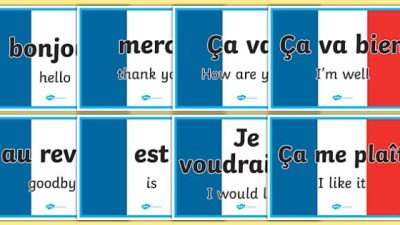
There’s a certain magic to the French language, an effortless romance that can make even a simple sentiment sound like a line from a classic film. But moving beyond “bonjour” to whisper something truly sweet can feel daunting. Using the right cute French phrases at the right time is less about memorizing a dictionary and more about understanding the heart behind the words. It’s the key to unlocking a more genuine, playful, and charming connection.
Ready to add a little je ne sais quoi to your conversations? This guide will walk you through the phrases that go straight to the heart, from quirky pet names to sincere compliments, and explain the subtle cultural rules so you can use them with confidence.
At a Glance: What You’ll Master
- Go Beyond the Basics: Discover dozens of terms of endearment, including the charmingly odd animal and food-related pet names the French love.
- Calibrate Your Affection: Learn the crucial difference between Je t’aime (I love you) and Je t’aime bien (I like you) to avoid any awkward moments.
- Give Compliments That Feel Sincere: Uncover simple, powerful phrases to express happiness and admiration without sounding cliché.
- Understand the Cultural Context: Grasp the essentials of gender agreement (chéri vs. chérie) and when to use the informal tu.
- Put it all into Practice: Get real-world scenarios for using these phrases, whether you’re on a first date or in a long-term relationship.
First, A Foundation of Sincerity
Before diving into pet names and declarations of love, it’s important to understand that in French culture, sincerity trumps elaborate gestures. The most beautiful phrases fall flat if they don’t feel genuine. This cultural preference for authenticity is woven throughout the language. While these cute French phrases are your secret weapon for charm, understanding the broader landscape of expression is key. You can Discover popular French sayings to get a better feel for the rhythm, wit, and values of the language.
A quick but crucial rule: nearly all of these phrases use “tu,” the informal version of “you.” This is reserved for people you know well—friends, family, and romantic partners. Using the formal “vous” would create a strange, impersonal distance.
Mastering Pet Names (Les Petits Noms d’Amour)
The French excel at creative, often surprising, terms of endearment. Forget just “darling” or “honey”—get ready for a world of little cabbages and fleas.
The Timeless Classics
These are the reliable, universally understood pet names that work in nearly any romantic context. You can’t go wrong with them.
- Mon amour – “My love.” Simple, powerful, and direct. It’s the gold standard.
- Mon cœur – “My heart.” Conveys deep affection and signifies that the person is central to your life.
- Mon chéri / Ma chérie – “My darling.” This is a classic for a reason. Use mon chéri for a man and ma chérie for a woman.
- Mon trésor – “My treasure.” This implies the person is incredibly valuable and precious to you.
The Adorable and Quirky Animal Kingdom
Here’s where French gets really fun and distinctive. Calling someone a bug or a small farm animal is a sign of deep affection, not an insult.
- Ma puce – “My flea.” It sounds bizarre in English, but this is one of the most common and beloved pet names, often used for women or children. It’s playful and very French.
- Mon petit loup – “My little wolf.” Often used for a male partner or a son, it has a protective, yet tender connotation.
- Mon lapin – “My rabbit.” A very common and sweet pet name for a man.
- Ma bichette – “My little doe.” A soft, gentle term for a female partner.
- Mon poussin – “My chick.” A sweet, tender name suitable for any gender.
- Mon chaton – “My kitten.” Another classic, unisex term of endearment.
Expert Tip: Don’t overthink the literal meaning of these animal names. Ma puce has nothing to do with itching; it’s an endearing, traditional term. Embracing these quirks shows a deeper understanding of the culture.
Sweet Enough to Eat: Food-Based Endearments
Given France’s culinary obsession, it’s no surprise that food has found its way into romantic language.
- Mon petit chouchou – Literally “my little cabbage,” this is a classic way to call someone your favorite or your darling. The “chou” sound is also used in chou à la crème (cream puff), adding a layer of sweetness.
| Pet Name | Literal Translation | Gender | Vibe |
| :— | :— | :— | :— |
| Mon amour | My love | Unisex | Classic, passionate |
| Ma puce | My flea | Typically Female | Quirky, common, very French |
| Mon petit loup | My little wolf | Typically Male | Protective, tender |
| Mon chéri / chérie | My darling | M / F | Timeless, affectionate |
| Mon petit chouchou | My little cabbage | Unisex | Sweet, playful |
| Mon lapin | My rabbit | Typically Male | Cute, common |
From “I Like You” to “I Love You”: Navigating Declarations
The French language offers a wonderful spectrum for expressing affection, allowing you to be precise about your feelings. Using the wrong one at the wrong time can lead to confusion, so mastering the shades of meaning is vital.
The Casual Crush: Liking Someone
You’ve been on a few dates and you’re really enjoying their company. It’s too soon for the “L-word,” but you want to express your growing fondness.
- Je t’aime bien – “I like you.” The word bien (“well”) softens je t’aime completely, moving it from the romantic love category into friendship or early-stage affection. It’s the perfect way to say you care without being too intense.
- Je te kiffe – A very informal, slangy way to say “I’m really into you” or “I dig you.” It’s common among younger generations and carries a cool, casual vibe. Use it in texts or informal conversation.
Taking It a Step Further: Adoration and Infatuation
Your feelings are becoming stronger and “like” just doesn’t cut it anymore.
- Je t’adore – “I adore you.” This is a step up from je t’aime bien. It can be used for close friends and family, but in a romantic context, it expresses strong affection and delight in the person.
- Je suis amoureux / amoureuse de toi – “I am in love with you.” This is a direct, clear declaration of romantic love. It’s less of a stock phrase than je t’aime and more of a statement of your current emotional state. Use amoureux if you’re male, and amoureuse if you’re female.
The Big One: True Love
Save this for when you truly mean it. In French culture, it carries significant weight.
- Je t’aime – “I love you.” Unlike in English where “I love you” can be used more casually, the French je t’aime is reserved almost exclusively for deep, romantic love or immediate family. Saying it too early in a relationship can be a shock.
A Scenario: You’ve been dating for a month. Instead of jumping to Je t’aime, you could say, “J’adore passer du temps avec toi. Tu me rends heureux.” (I adore spending time with you. You make me happy.) It conveys deep feeling without the finality of Je t’aime.
Simple Compliments That Land Perfectly
A well-placed compliment can be incredibly charming. The key is to be specific and sincere.
- Tu es magnifique – “You are magnificent/gorgeous.” This works for both men and women and feels a bit more special than simply saying beautiful (beau/belle).
- Tu me rends heureux / heureuse – “You make me happy.” A beautiful, heartfelt sentiment. Use heureux if you’re male, heureuse if you’re female.
- T’es l’amour de ma vie – “You are the love of my life.” This is a profound statement for serious, committed relationships.
- Je veux vieillir à tes côtés – “I want to grow old by your side.” A deeply romantic and sincere way to talk about a future together.
- Tu es mon âme sœur – “You are my soulmate.” Direct, romantic, and leaves no room for doubt about your feelings.
- Tu me manques – “I miss you.” The literal translation is “You are missing from me,” which captures the feeling of absence so poetically.
Quick Answers to Common Questions
Q: Is it really okay to call my partner “my flea” (ma puce)?
A: Absolutely. It might be the single most common “cute but weird” pet name in France. It’s completely normal and seen as very affectionate. Don’t let the English translation fool you; the charm is in its cultural context.
Q: What’s the biggest mistake foreigners make with cute French phrases?
A: The most common pitfall is using Je t’aime too early. In the Anglophone world, “I love you” can come fairly quickly, but in France, it’s a milestone. Stick with Je t’aime bien or Je t’adore in the early stages to avoid making things awkward.
Q: How important is getting the gender right, like with mon chéri vs. ma chérie?
A: It’s quite important for sounding natural. The rule is simple: the word should agree with the gender of the person you’re talking about. Mon chéri (for a man), ma chérie (for a woman). Mon prince (my prince), ma princesse (my princess). Getting it right shows you’re paying attention.
Q: Do I need perfect pronunciation?
A: No, but a sincere effort goes a long way. The French generally appreciate foreigners trying to speak their language. Focus on the emotion behind the words. A slightly mispronounced but heartfelt Tu me manques is far more charming than a perfectly recited but cold phrase.
Your First Steps to Sounding Charming
Feeling ready to try a few phrases out? Don’t try to memorize everything at once. Pick one or two that resonate with you and the stage of your relationship.
- For a new crush: Start with a simple, sincere compliment like, “J’aime beaucoup ton sourire.” (I really like your smile.) or the classic Je t’aime bien.
- For a growing relationship: Introduce a playful pet name. Texting “Tu me manques, mon lapin” is a sweet and low-pressure way to try one out.
- For a committed partner: Use one of the classics. Whispering mon amour or mon cœur is a simple way to reinforce your bond.
The goal isn’t to become a different person but to use these beautiful expressions to show the affection you already feel. The most cute French phrases are the ones spoken with a genuine smile and an open heart. So be bold, have fun, and let the language of love do the talking.