There’s a reason French is called the language of love, but its true charm often lies beyond grand romantic gestures. It’s found in the small, everyday cute words in French that sprinkle conversations with warmth and affection. These are the words that transform a simple “hello” into a sweet greeting and a term of address into a tender nickname.
Mastering these endearing expressions is your key to sounding less like a textbook and more like a native speaker. It’s about connecting with people on a more personal, heartfelt level, whether you’re talking to a partner, a child, or a close friend.
At a Glance: What You’ll Discover
- The Go-To Word for “Cute”: Learn how to use mignon and mignonne correctly for people, pets, and objects.
- A Dictionary of Affection: Unlock dozens of French terms of endearment, from the classic mon amour to the playful ma puce.
- Context is Everything: Understand when to use specific pet names for lovers, family, or friends.
- Everyday Cute Phrases: Go beyond single words with friendly greetings and affectionate phrases you can use immediately.
- Common Pitfalls: Avoid awkward moments by learning the subtle differences between similar-sounding expressions like je t’aime and je t’adore.
More Than Just “Mignon”: The Basics of Cuteness in French
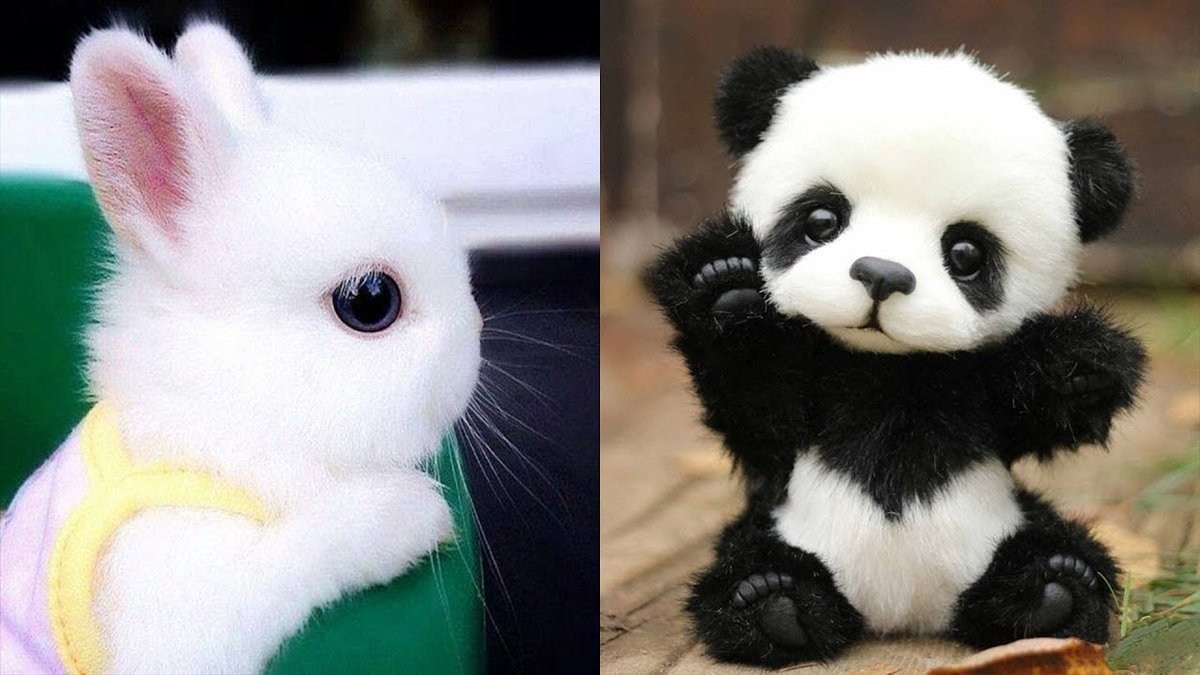
Before diving into pet names, let’s start with the cornerstone of “cute” in French: mignon (masculine) and mignonne (feminine). You’ll use this adjective constantly. The key is matching it to the gender of the noun it describes.
- For a male person, animal, or masculine object: mignon
- un chiot mignon (a cute puppy)
- un joli petit pull mignon (a cute little sweater)
- For a female person, animal, or feminine object: mignonne
- une petite fille mignonne (a cute little girl)
- Regarde cette robe, elle est trop mignonne ! (Look at that dress, it’s so cute!)
But what if you mean “cute” in a clever or sly way, like a “cute trick”? The French have a different word for that: malin (masculine) or maligne (feminine). This distinction highlights how French often has a more precise word for a specific feeling or situation.
These individual words are just the beginning. They fit into a much larger and more expressive world of phrases. To get the full picture and truly Master French everyday conversation, understanding how these cute words blend with common idioms and sayings is essential.
The Ultimate Guide to French Terms of Endearment
French speakers use a rich vocabulary of nicknames (petits noms) to show affection. Many are based on animals, food, or treasures, and they are used far more frequently than in English. The secret is knowing who you can use them with.
For Your Romantic Partner
These are the classics you’ll hear in films and whispered in Parisian cafés. They are reserved for a significant other.
| French Term | Literal Translation | Best Used For… |
|---|---|---|
| Mon amour | My love | The universal, all-purpose term for a partner. |
| Mon cœur | My heart | Expresses deep, central love. |
| Mon chéri / Ma chérie | My darling | A classic and elegant term. Use chéri for a man, chérie for a woman. |
| Ma moitié | My other half | Perfect for expressing that you feel complete with them. |
| Mon trésor | My treasure | Shows you value them above all else. |
| Mon ange | My angel | For someone you see as pure and good. |
| Mon homme / Ma femme | My man / My woman | A strong, committed-sounding term. |
| Mon mec / Ma meuf | My guy / My girl | A more casual, slangy equivalent. Meuf is verlan (slang). |
Playful Pet Names for Anyone You Adore
This category is where French gets extra creative and cute. Many of these can be used for partners, children, and very close friends. The context and your tone of voice make all the difference.
- Mon chou / Mon petit chou: Literally “my cabbage,” this is one of the most common and versatile terms of endearment. It means “my sweetheart” or “my darling.” You can amplify the cuteness by repeating the syllable: mon chouchou.
- Ma puce: “My flea.” It might sound strange in English, but this is an extremely common and beloved nickname, especially for children. It’s a sign of deep, playful affection.
- Mon lapin: “My bunny.” Often used for men or little boys, it implies someone is cute and dear to you.
- Mon chaton: “My kitten.” A soft, gentle term for anyone you want to cuddle.
- Mon poussin: “My chick.” Another very common term, often used for children.
- Ma bichette: “My little doe.” A sweet and slightly old-fashioned term for a woman.
- Mon petit loup: “My little wolf.” A term of affection typically used for a young boy, implying a mix of cuteness and mischievousness.
Food-Based Nicknames for Your Sweetheart
What’s sweeter than love? Food! French culture uses several food-based terms to express affection, usually for a romantic partner.
- Mon sucre d’orge: “My candy cane.” A unique and very sweet term.
- Mon doux / Ma douce: “My sweet.” Simple, gentle, and full of tenderness.
Weaving Cute Words into Everyday Phrases
Affection in French isn’t just about nicknames. It’s also about the small, warm phrases you use to greet people and express your feelings.
Cute and Friendly Greetings
Instead of a formal Bonjour, try these with friends and family:
- Coucou ! – This is the French equivalent of “Hey there!” or “Peek-a-boo!” It’s a playful, friendly, and very common informal greeting. You can use it in person or at the start of a text message.
- Salut ! – A versatile “Hi!” or “Bye!” that works perfectly among peers and friends.
Phrases to Express Affection (Beyond Romance)
The French are more open with expressing platonic love than many English speakers. These phrases are your toolkit for showing friends and family you care.
- Je t’adore: “I adore you.” This is the perfect phrase for a close friend, a sibling, or a parent. It’s full of warmth without having the romantic weight of Je t’aime (I love you).
- Tu me manques: “I miss you.” The literal translation is “you are missing from me,” which beautifully captures the feeling of someone’s absence.
- J’ai hâte de te revoir: “I can’t wait to see you again.” A warm and enthusiastic way to end a conversation with someone you care about.
- On se voit bientôt ? “Will we see each other soon?” A friendly and low-pressure way to suggest getting together.
For romantic partners, you can dial up the intensity: - Je suis fou / folle de toi: “I’m crazy about you.” (Use fou if you’re male, folle if you’re female).
- T’es l’amour de ma vie: “You’re the love of my life.” (The t’es is a contraction of tu es).
- Je te kiffe: A very popular slang term that means “I’m really into you” or “I dig you.” It’s casual, cool, and used mostly by younger generations.
Quick Answers to Common Questions
Q: Is it weird to call someone “my cabbage” (mon chou)?
A: Not at all! Mon chou (and its diminutive mon chouchou) is one of the most popular and versatile terms of endearment in France. It’s used for romantic partners, children, and even close friends. It’s the French equivalent of “sweetheart” or “darling.”
Q: What’s the real difference between Je t’aime and Je t’adore?
A: This is a crucial distinction. Je t’aime is reserved for deep, romantic love (for a partner) or profound familial love (for a parent or child). Je t’adore means “I adore you” or “I’m very fond of you” and is used much more broadly—for close friends, favorite cousins, and even things you love, like J’adore ce film! (I love this movie!). Using Je t’aime with a casual friend would be seen as very intense and possibly awkward.
Q: Can men use terms like ma belle (my beautiful) with female friends?
A: Yes, but with care. In a friendly context, it can be a platonic compliment, similar to “Hey, beautiful!” in English. However, it can also be flirtatious depending on the tone and relationship. If you’re unsure, it’s safer to stick to something like Salut ! or Coucou !
Q: Are animal nicknames like ma puce (my flea) insulting?
A: Absolutely not. While the literal translation is jarring in English, ma puce is a term of endearment filled with affection in French. It’s especially common for parents to call their children ma puce. Think of it as a cultural quirk where the association is purely one of love and closeness.
Your Next Step: Start Small and Be Authentic
You don’t need to memorize every word on this list. The key to using cute French words effectively is to choose a few that feel natural to you and start incorporating them into your conversations.
Here’s a simple plan to get started:
- For Friends: Swap your next Bonjour for a cheerful Coucou ! in a text message.
- For a Loved One: Pick one classic pet name like mon chéri/ma chérie or mon cœur and try using it. See how it feels.
- To Describe Something: The next time you see a cute dog or a pretty dress, practice saying, “Oh, il est trop mignon !” or “Elle est très mignonne !”
By weaving these small, affectionate words into your French, you’ll not only enrich your vocabulary—you’ll build stronger, warmer connections with the people you talk to.