Of course. Here is the comprehensive pillar article on basic French for tourists, written in the voice of a seasoned journalist and subject-matter expert.
Imagine two travelers in a Parisian bakery. The first points and grunts, “Uh, that one.” The second steps up, smiles, and says, “Bonjour. Un croissant, s’il vous plaît.” Both will likely walk out with a croissant, but only the second will get a warm smile back and feel a flicker of genuine connection. Learning a little basic French for tourists isn’t about becoming fluent overnight; it’s about trading transactional moments for truly memorable experiences. It’s the key that unlocks a friendlier, richer, and more authentic France.
This guide isn’t a textbook. It’s a practical toolkit of the exact words and phrases that will make the biggest impact on your trip, from navigating the Métro to ordering that perfect glass of wine. We’ll skip the dense grammar and focus on what you actually need to communicate with confidence and respect.
At a Glance: Your French Travel Essentials
Don’t have time to read everything? Here are the key takeaways to make your trip smoother:
- Politeness is Everything: “Bonjour” is not just “hello”—it’s a required entry pass to any social interaction. Always say it when entering a shop, café, or even an elevator.
- The Magic Words: “S’il vous plaît” (please) and “Merci” (thank you) are non-negotiable. Use them generously.
- Don’t Fear Mistakes: The French generally appreciate any attempt to speak their language. Your effort matters more than your accent.
- Focus on Key Scenarios: Master the phrases for ordering food, asking for directions, and basic greetings. These will cover 90% of your interactions.
- When in Doubt, Be Formal: Using “vous” (the formal “you”) is always a safe and respectful bet when speaking to strangers.
Why a Little French Goes a Long, Long Way
Many first-time visitors to France worry about a stereotype: the “rude” Parisian who scoffs at tourists. Here’s the thing many guidebooks miss—this perception often stems from a cultural misunderstanding. In France, politeness is structured. Beginning any interaction, even with a shopkeeper, without a proper “Bonjour, madame/monsieur” is considered abrupt and rude, like walking up to a stranger and barking “I need coffee.”
By learning just a few phrases, you’re not just being polite; you’re showing respect for the culture. You’re signaling that you see France as more than just a backdrop for your vacation photos. This simple act of trying transforms you from a passive observer into an active, engaged visitor. And believe me, the warmth, patience, and help you get in return are more than worth the effort. Consider these Essential French for your trip not as a chore, but as your secret weapon.
The Absolute Essentials: Your Politeness Toolkit
If you learn nothing else, learn these five phrases. They are the bedrock of every interaction you will have.
1. Bonjour (bon-zhoor) — Hello
This is the most important word in your arsenal. It’s a universal, polite “good day” or “hello.”
- When to use it: Every single time you enter a shop, a café, a hotel lobby, or a restaurant. Use it when you approach an information desk or ask someone for help. It is the mandatory opening to any conversation.
- Pro-tip: After about 6 p.m., switch to Bonsoir (bon-swahr), which means “good evening.”
2. S’il vous plaît (seel voo play) — Please
This literally means “if it pleases you.” It’s the formal and universally accepted way to say “please.”
- How to use it: Tack it onto the end of any request. “Un café, s’il vous plaît.” (A coffee, please.) “L’addition, s’il vous plaît.” (The check, please.)
3. Merci (mair-see) — Thank you
Simple, essential, and always appreciated. To add emphasis, you can say Merci beaucoup (mair-see bo-koo), which means “thank you very much.”
4. Pardon / Excusez-moi (par-dohn / ex-kew-zay mwah) — Sorry / Excuse me
These are often used interchangeably, but there’s a subtle difference.
- Pardon: Use this if you accidentally bump into someone on the street. It’s a quick, reflexive apology.
- Excusez-moi: Use this to get someone’s attention, like a waiter or a shop assistant, or to politely squeeze past someone in a crowded space.
5. Au revoir (o ruh-vwah) — Goodbye
This is the standard, polite way to say goodbye. Just as you say Bonjour when you enter, it’s polite to say Au revoir when you leave a shop or restaurant. A more casual alternative you might hear among friends is Salut (sah-loo), which can mean both “hi” and “bye.”
Breaking the Ice: First Encounters and Basic Questions
Once you have the politeness basics down, you can start having simple conversations. These Basic French phrases for travel will help you get started.
Introducing Yourself
If you strike up a conversation, you might need to introduce yourself.
- To ask someone’s name: Comment vous appelez-vous? (co-mohn voo-zap-lay-voo?) — “What is your name?” (formal)
- To state your name: Je m’appelle… (zhuh ma-pell…) — “My name is…”
Asking “How are you?”
This is a common pleasantry, just like in English.
- Formal: Comment allez-vous? (co-mohn ta-lay-voo?)
- Informal/Common: Comment ça va? (co-mohn sah vah?) or just Ça va?
- Possible replies:
- Bien, merci! (byan, mair-see!) — “Well, thank you!”
- Comme ci, comme ça (kom see, kom sah) — “So-so.”
The Crucial “Yes,” “No,” and “I Don’t Understand”
Navigating a conversation requires knowing when you’re lost.
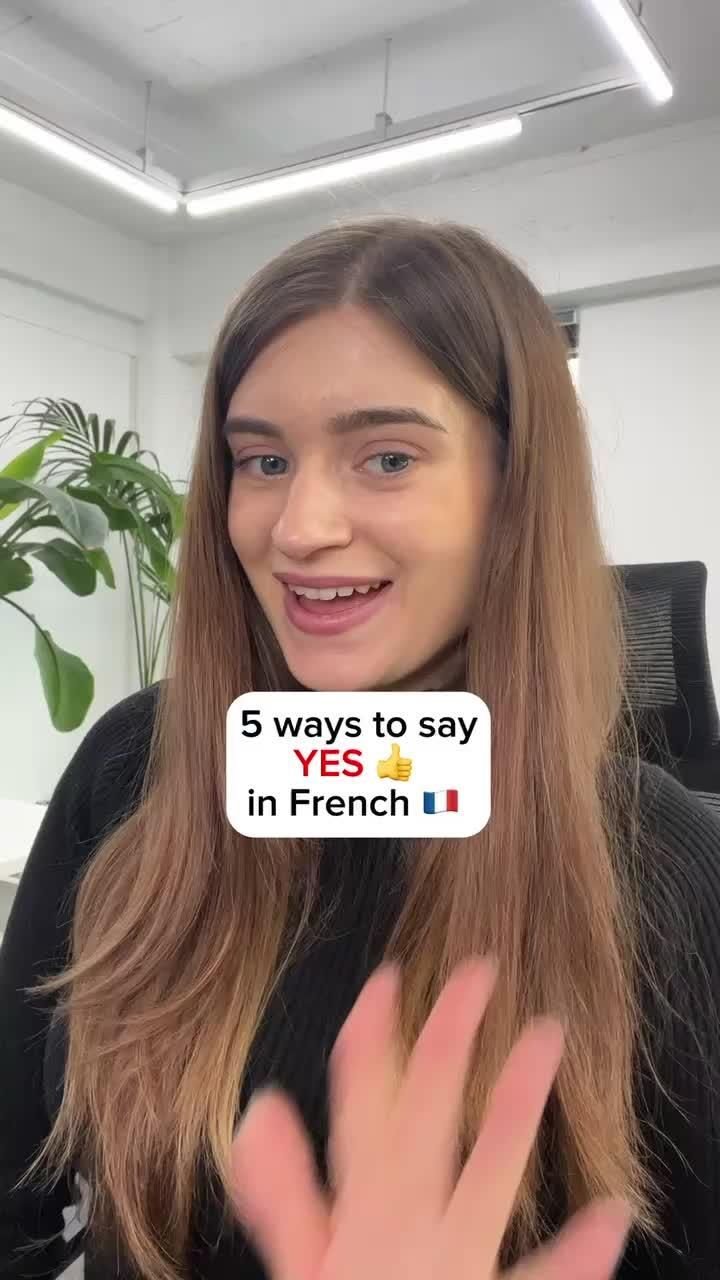
- Oui (wee) — Yes
- Non (nohn) — No
- Si (see) — A special “yes” used to contradict a negative question. (e.g., “You don’t want dessert?” “Si!” meaning “Yes, I do!”).
- Je ne comprends pas (zhuh nuh cohm-prohn pah) — I don’t understand.
- Pourriez-vous répéter, s’il vous plaît? (poo-ree-ay voo ray-pay-tay, seel voo play?) — Could you repeat, please?
- Parlez-vous anglais? (par-lay voo ahn-glay?) — Do you speak English?
Knowing how to communicate your lack of understanding is far more effective than just smiling and nodding. It gives the other person a chance to slow down, rephrase, or switch to English.
Quick Tip: Vous vs. Tu
In French, there are two words for “you.” Vous is formal and plural, used with strangers, elders, and in professional settings. Tu is informal, used with friends, family, and children. As a tourist, you should always default to vous. It’s a sign of respect, and no one will ever be offended by you being too polite.
Navigating Your World: Directions, Transport, and Getting Around
Getting lost is part of the adventure, but being able to ask for help is essential. Here’s your navigation toolkit. These pieces of Essential French for travelers will prove invaluable.
Asking “Where is…?”
The master phrase is Où est…? (ooh eh…?) or Où se trouve…? (ooh suh troov…?), both meaning “Where is…?”
Follow it with these key locations:
- …la gare? (…lah gar?) — the train station?
- …l’aéroport? (…lair-o-por?) — the airport?
- …les toilettes? (…lay twah-let?) — the restroom?
- …la station de métro la plus proche? (…lah sta-syon duh may-tro lah ploo prosh?) — the nearest metro station?
- …un restaurant? (…uhn res-toh-ron?) — a restaurant?
- …l’hôtel? (…lo-tell?) — the hotel?
In a Taxi
Once you’re in a taxi, you can use these simple commands:
- À gauche (ah gohsh) — To the left
- À droite (ah drwaht) — To the right
- Tout droit (too drwah) — Straight ahead
- Arrêtez ici, s’il vous plaît (ah-ray-tay ee-see, seel voo play) — Stop here, please.
Buying Tickets
Whether for a museum or a train, this is the phrase you need:
- Je voudrais acheter un billet. (zhuh voo-dray ash-tay uhn bee-yay.) — I would like to buy a ticket.
You might need to specify: - Un billet aller simple (uhn bee-yay a-lay sam-pluh) — A one-way ticket.
- Un billet aller-retour (uhn bee-yay a-lay ruh-toor) — A round-trip ticket.
If you’re planning your itinerary, you might wonder about the French word for travel; it’s voyage. Knowing this can help you spot signs for travel agencies (agence de voyages).
The Main Event: Ordering Food and Drinks Like a Pro
French culinary culture is legendary, and your dining experiences will be a highlight of your trip. Don’t let a language barrier intimidate you. The staff in most tourist areas are used to visitors, but using these Essential French travel phrases shows respect and will enhance your experience.
Getting Seated and Ordering
- Get the menu: La carte, s’il vous plaît. (lah cart, seel voo play.) — The menu, please. (Note: le menu often refers to a fixed-price meal, while la carte is the full à la carte menu).
- Order drinks: Je voudrais… (zhuh voo-dray…) — “I would like…” This is the most versatile ordering phrase.
- …un verre de vin rouge/blanc. (…uhn vair duh van roozh/blahn.) — …a glass of red/white wine.
- …une carafe d’eau. (…ewn ca-rahf doe.) — …a pitcher of tap water (it’s free and perfectly fine to drink).
- …un café. (…uhn ca-fay.) — …a coffee (typically an espresso).
- Order food: When you’re ready, you can catch the waiter’s eye and say, Nous voudrions commander. (noo voo-dree-ohn co-mon-day.) — “We would like to order.” Then use the trusty Je voudrais… for your choices.
Dietary Restrictions
This is crucial for travelers with allergies or dietary needs.
- I am vegetarian: Je suis végétarien (zhuh swee vay-zhay-ta-ree-en) for males, or végétarienne (vay-zhay-ta-ree-enn) for females.
- I cannot eat…: Je ne peux pas manger de… (zhuh nuh puh pah mon-zhay duh…)
- …gluten. (…glew-ten.)
- …noix. (…nwah.) — …nuts.
- …produits laitiers. (…pro-dwee lay-tee-ay.) — …dairy products.
Finishing Your Meal
When you’re ready to leave, you don’t have to wait for the waiter to bring the check automatically. You must ask for it.
- L’addition, s’il vous plaît. (la-dee-syon, seel voo play.) — The check, please.
Service is almost always included (service compris), so tipping isn’t mandatory like in the U.S. However, it’s common to leave a few extra euros in cash for excellent service. A quick search for the How to say trip in French will show you voyage, but the real journey is successfully navigating your first French meal.
From Markets to Malls: Shopping With Confidence
Shopping in a French market or a chic boutique is a delight. You only need a couple of key phrases.
- C’est combien? (say comb-byan?) — How much is it?
- Combien ça coûte? (comb-byan sah coot?) — How much does that cost?
You can also simply point and ask, Ça, s’il vous plaît? (sah, seel voo play?), meaning “That, please?” It’s a simple but effective way to get by. Most Essential French for Travelers guides will emphasize these transactional phrases because they are so useful.
Key Numbers to Know
Knowing just the first ten numbers will help you understand prices and quantities.
| Number | French | Pronunciation |
|---|---|---|
| 1 | Un | uhn |
| 2 | Deux | duh |
| 3 | Trois | trwah |
| 4 | Quatre | kat-ruh |
| 5 | Cinq | sank |
| 6 | Six | seess |
| 7 | Sept | set |
| 8 | Huit | weet |
| 9 | Neuf | nuhf |
| 10 | Dix | deess |
In Case of Emergency: Phrases You Hope You Won’t Need
Hopefully, your trip is perfectly smooth, but it’s wise to be prepared. Program the general European emergency number, 112, into your phone.
- Au secours! (oh suh-koor!) — Help! (Use for serious situations).
- Appelez la police! (app-lay lah po-leess!) — Call the police!
- J’ai besoin d’un docteur. (zhay buh-zwan duhn dok-tuhr.) — I need a doctor.
Knowing these Useful French travel phrases can provide peace of mind, allowing you to relax and enjoy the rest of your vacation.
Common Questions and Final Tips for Success
As you prepare, a few questions might pop up. Let’s tackle them head-on.
Do I need to have perfect pronunciation?
Absolutely not! Your effort is what counts. A thick accent is expected and completely fine. The French will appreciate that you’re trying. The goal is communication, not perfection.
What if they just reply to me in English?
Don’t be discouraged. This happens often, especially in major cities like Paris. It’s usually done out of a desire to be efficient and helpful, not as a snub. Simply smile, say “Merci,” and continue the conversation in whatever language is easiest.
Is it worth learning if I’m only there for a week?
Yes, 100%. Even learning just “Bonjour,” “Merci,” and “S’il vous plaît” will fundamentally change the nature of your interactions and open doors to warmer, more positive experiences. These few Essential French phrases for travel are the best investment you can make in your trip.
Your French Adventure Starts Now
You don’t need to be fluent to have a fantastic and immersive trip to France. You just need to be willing to try. By arming yourself with these basic phrases, you are showing respect, opening yourself up to connection, and paving the way for a more memorable journey.
So, before you go, practice these phrases out loud. Write them on a notecard. Use a language app. The more comfortable you are with them, the more likely you are to use them. The best way to Learn French for your trip is to start with this core toolkit.
Remember the person in the bakery. With just a few simple words, you can transform a simple transaction into a moment of human connection. That’s the real magic of travel. Bon voyage!