The romantic image of a Parisian summer is one of sun-drenched cafe terraces and leisurely strolls along the Seine. While the paris climate august often delivers on this promise, it also holds a few secrets up its sleeve. Many visitors arrive expecting uniformly perfect weather, only to be surprised by a sweltering heatwave or a sudden, drenching thunderstorm that sends everyone scrambling for cover. Understanding this duality—the beautiful average versus the challenging extreme—is the key to a truly successful August trip.
This guide goes beyond the simple averages to give you a practical, on-the-ground understanding of what to expect and how to plan for it.
At a Glance: Your August Climate Cheat Sheet
- Expect Warmth, Plan for Heat: Average daily highs are a pleasant 24.5°C (76°F), but heatwaves can push temperatures toward a scorching 40°C (104°F).
- Sunshine is Abundant: August is Paris’s sunniest month, boasting over 9 hours of sunshine per day on average—perfect for outdoor exploration.
- Rain is Fast and Furious: Don’t expect long, dreary drizzles. August rain typically arrives as short, intense downpours or thunderstorms, so a compact umbrella is your best friend.
- Pack for Three Scenarios: Your suitcase needs a strategy: light, breathable clothes for the heat; a light jacket or scarf for cool evenings; and reliable rain protection.
- The City is Quieter (Sort of): While many Parisians are on vacation, the city teems with tourists. You’ll find a more relaxed vibe, but major sites remain busy.
What to Realistically Expect from August Temperatures
The single most important factor shaping the paris climate august is temperature. It dictates your daily plans, your packing list, and even your energy levels. While averages provide a useful baseline, the story of August weather is truly a tale of two extremes.
The Comfortable Norm: Pleasant Days and Cool Nights
For much of the month, you’ll experience what many consider ideal summer weather.
- Daytime Highs: The mercury typically settles around a comfortable 24.5°C (76.1°F), often peaking in the mid-to-late afternoon. This is perfect weather for walking through the Marais, picnicking in the Luxembourg Gardens, or exploring Montmartre’s winding streets without breaking too much of a sweat.
- Nighttime Lows: Once the sun sets, temperatures drop to an average of 15°C (59°F). This significant cool-down is a welcome relief. It means you can comfortably enjoy an evening dinner cruise on the Seine or a late-night walk without the oppressive heat of the day. It also means you absolutely need a light layer—a denim jacket, cardigan, or pashmina—for the evenings.
This pleasant pattern is the backbone of Paris’s summer appeal, but it’s crucial to understand it’s not the whole story. While these averages define the month, they fit into a broader seasonal context you can read about in our complete Paris July August weather guide.
The Uncomfortable Truth: Preparing for the Canicule (Heatwave)
Every few years, Paris experiences an intense heatwave, known locally as a canicule. During these periods, which can last for several days, the climate shifts dramatically.
Historical records show a maximum temperature of 40°C (104°F) was recorded on August 6, 2003. While that’s an extreme, days in the mid-to-high 30s°C (90s°F) are not uncommon during a heatwave.
A Parisian Heatwave Case Snippet:
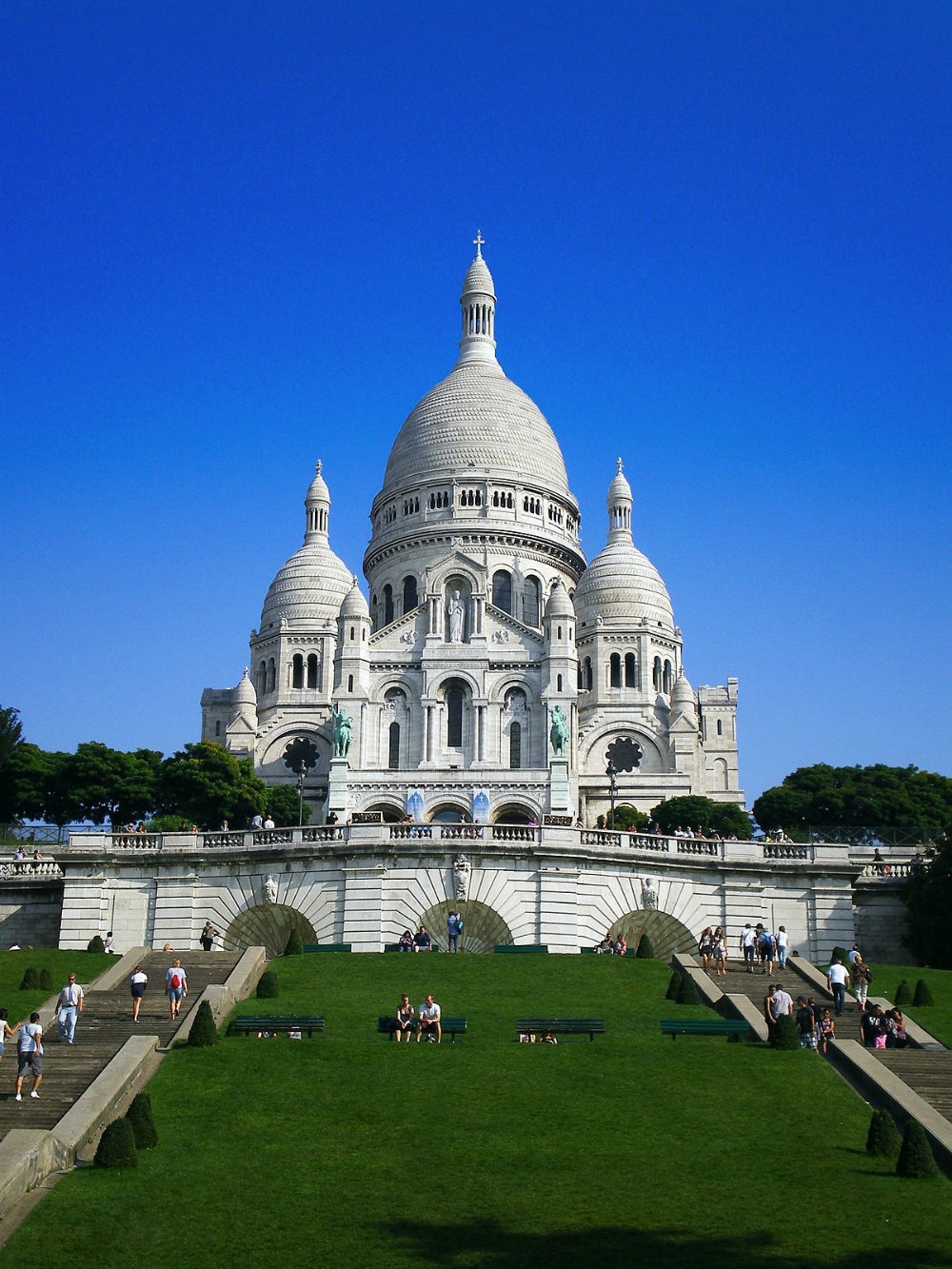
Imagine it’s 3 PM and 36°C (97°F). The stone buildings of the city radiate heat back onto the streets, creating an “urban heat island” effect that makes it feel even hotter. The Metro is stifling, as many lines lack air conditioning. Your plan to climb the stairs at Sacré-Cœur now seems less like a charming adventure and more like a grueling endurance test.
This is why preparation is key. During a canicule:
- Hydrate Relentlessly: Carry a reusable water bottle and refill it at the city’s many public Wallace Fountains.
- Seek Air Conditioning: Plan your afternoons around A/C. This is the perfect time to visit the Louvre, Musée d’Orsay, or a modern department store like Galeries Lafayette.
- Adjust Your Itinerary: Shift strenuous outdoor activities to the early morning (before 11 AM) or evening (after 7 PM). Use the hottest part of the day for a siesta, a long lunch indoors, or a cool museum visit.
Balancing Blue Skies with Sudden Downpours
Sunlight and rain in August don’t play by the same rules. You won’t find many days of persistent, gentle rain. Instead, the weather can flip from one extreme to the other in less than an hour, demanding flexibility in your plans.
Maximizing Your Sunshine Hours
With an average of 214 hours of sun for the month, August is Paris’s brightest period. The sun rises early and sets late, giving you an average of 14 hours and 20 minutes of daylight to explore.
This is the time to embrace outdoor Parisian life. Plan a full day at the Palace of Versailles to enjoy its sprawling gardens, or take advantage of the Paris Plages, the temporary “beaches” set up along the Seine.
However, more sun means a higher UV index. The daily maximum UV index averages 5, which signifies a moderate risk of harm from unprotected sun exposure. Sunscreen, a hat, and sunglasses aren’t just accessories; they are essential gear.
The “Surprise and Go” Rainstorm Pattern
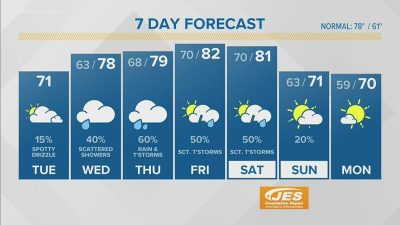
While the forecast might call for rain on 7 to 18 days of the month, this rarely means a full-day washout. August rainfall, averaging between 30 mm and 62 mm, is typically delivered in the form of dramatic, short-lived thunderstorms.
You could be enjoying a perfectly sunny afternoon in the Tuileries Garden when the sky darkens abruptly. A heavy, intense downpour might last for 30-60 minutes, often accompanied by thunder, before the sun reappears and the streets quickly dry.
Your tactical response:
- Always carry a compact umbrella. It’s small, light, and will be a lifesaver when a sudden storm hits.
- Don’t cancel plans. If rain is forecast, just identify a nearby “shelter” option. If you’re exploring Saint-Germain-des-Prés, know that you can duck into the historic Les Deux Magots café or a nearby bookstore to wait out the storm.
- Wear appropriate footwear. Puddles form instantly. Sandals can be slippery and uncomfortable on wet cobblestones; a pair of comfortable sneakers or waterproof flats is a safer bet on a day with a chance of rain.
A Strategic Wardrobe for Paris in August
Packing for the paris climate august requires a “modular” approach—think layers and versatile pieces that can handle a 20-degree temperature swing and a sudden downpour.
| Weather Scenario | Essential Clothing Items | Footwear | Accessories |
|---|---|---|---|
| The Average Warm Day | Cotton t-shirts, linen shirts, light blouses, shorts, skirts, summer dresses, light trousers | Comfortable walking sandals, sneakers | Sunglasses, crossbody bag |
| The Canicule Heatwave | Loose-fitting clothes in light colors (white, beige), breathable fabrics like linen or rayon | Open-toed sandals, espadrilles | Wide-brimmed hat, reusable water bottle, face mist |
| The Cool Evening | A light jacket (denim, trench), a cardigan, a pashmina or large scarf to drape over shoulders | Closed-toe flats, loafers | The pashmina doubles as an accessory |
| The Sudden Rainstorm | A lightweight, packable rain jacket or trench coat | Water-resistant sneakers, flats | A sturdy, compact umbrella |
| The key is to dress for the day’s main event (the heat) but always have your backup plan (a jacket and umbrella) tucked in your day bag. |
Answering Your Top Questions About Paris’s August Climate
Clearing up common misconceptions can help you plan with confidence and avoid frustrating surprises.
Is August too hot to visit Paris?
It can be, but it is rarely unbearable if you plan smartly. The heat is typically a “dry heat” due to the month’s low average humidity (68%), which is more comfortable than the humid heat of many other world cities. By scheduling outdoor activities for mornings/evenings and using air-conditioned museums and shops as a refuge during peak afternoon heat, you can easily manage even the hottest days.
Will everything be closed in August?
This is a persistent myth. While it’s true many Parisian families take their annual vacation (les grandes vacances) in August, the city is far from shuttered. All major museums, monuments, and department stores operate on normal schedules. You may find some smaller, independent bakeries (boulangeries), restaurants, or boutiques closed for a week or two, but their absence contributes to a more relaxed, less frantic city vibe. You will have no trouble finding incredible places to eat and shop.
Do I really need a jacket in August?
Absolutely, yes. The significant drop between the daytime high (24.5°C / 76°F) and the nighttime low (15°C / 59°F) can catch visitors by surprise. Sitting at an outdoor café at 10 PM in just a t-shirt will feel chilly. Furthermore, historical data shows that fluke cold snaps are possible; a low of 6°C (43°F) was recorded as recently as 2014. A light jacket or scarf is a non-negotiable packing item.
How does the August climate affect sightseeing?
It requires a strategic approach rather than a rigid one.
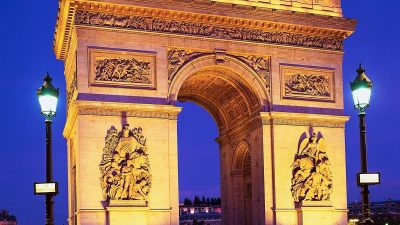
- Morning (8 AM – 12 PM): This is your prime time for anything physically demanding. Climb the towers of Notre Dame (when accessible), walk up the Arc de Triomphe, or explore the hilly streets of Montmartre.
- Afternoon (1 PM – 5 PM): This is the hottest part of the day. Head indoors. Book your timed-entry tickets for the Louvre, explore the grand interiors of the Palais Garnier, or browse the air-conditioned shops on the Champs-Élysées.
- Evening (6 PM onwards): As the heat subsides, outdoor activities become pleasant again. This is the perfect time for a Bateaux Mouches river cruise, an evening stroll through the Marais, or simply finding a perfect terrace for an apéritif.
Your August Paris Game Plan: Embrace the Calm and Prepare for the Storm
Ultimately, the paris climate august offers a wonderful opportunity to experience the city. You’ll find it bathed in golden light, with long days perfect for discovery. The key is not to be a passive victim of the weather but an active strategist.
Start each day by checking the hourly forecast. If a scorching afternoon is predicted, make it your Louvre day. If a 4 PM thunderstorm is on the radar, plan to be near a charming covered passage like the Galerie Vivienne. By packing for both the heat and the cool, the sun and the rain, you equip yourself for anything Paris throws your way. This flexibility is the difference between a trip that is merely good and one that is truly unforgettable.