While travelers focus on new entry requirements, many France citizens are navigating their own set of complex challenges shaped by digitalization, evolving EU policies, and the realities of a globalized world. The administrative landscape that once felt predictable is now a moving target, requiring more foresight and preparation than ever before, whether you’re living in Marseille or Minneapolis. The quiet shift toward more integrated European security and digital-first government services is creating new hurdles and opportunities for French nationals at home and abroad.
At a Glance: What You’ll Learn
- Digital Hurdles: How the shift to online-only government services impacts French citizens, especially those abroad or less tech-savvy.
- Dual Nationality Nuances: The evolving rights, obligations, and scrutiny for French citizens holding another passport.
- The Ex-pat’s Playbook: Practical steps for managing crucial administrative tasks like passport renewals and civil status updates from outside France.
- Family Immigration: How to navigate the visa and residency process for non-EU family members, a common challenge for binationals.
- Post-Brexit Realities: The specific bureaucratic pains for the large community of French citizens living in the United Kingdom.
The Digital Shift: When French Bureaucracy Moves Online
The French government has aggressively moved its administrative services online. Platforms like ANTS (Agence Nationale des Titres Sécurisés) are now the mandatory starting point for renewing a passport, driver’s license, or national ID card (carte d’identité). While intended to streamline processes, this digital-first approach presents significant challenges for many France citizens.
For those living abroad, the system can be unforgiving. Booking a mandatory in-person appointment at a consulate after completing the online pre-application often means navigating a system with appointments booked solid for six months or more.
Real-World Scenario:
A French citizen living in California needs to renew her passport. She completes the pre-application on the ANTS website but finds the earliest appointment at the San Francisco consulate is in seven months, well after her passport expires. This jeopardizes her ability to travel for work and to visit family in France, creating a stressful race against time that is all too common for French ex-pats.
This digital shift also creates a fracture numérique (digital divide), leaving less tech-literate citizens, particularly the elderly, struggling to manage essential paperwork without the traditional option of face-to-face assistance at their local mairie (town hall).
Dual Nationality: The Best of Both Worlds, With More Paperwork
Holding both French and another citizenship is a huge advantage, offering freedom of movement and identity across continents. However, this status is coming under increased scrutiny as global data-sharing and security protocols tighten.
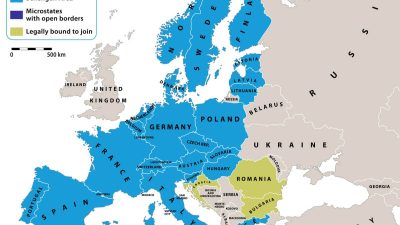
Just as the European Union is formalizing entry for visa-exempt travelers through systems like the upcoming ETIAS, it is also enhancing how it tracks information related to its own citizens. For Americans planning a short-term trip, understanding the new rules is the first step; this comprehensive guide on the France ETIAS for US Citizens provides a clear framework. For French-American dual nationals, the implications are even deeper, touching on everything from banking to taxes.
Key Considerations for Dual Nationals
- Entering the Schengen Area: Always travel with both passports, but present the one most advantageous for your situation. When entering France, use your French passport to assert your rights as an EU citizen. When returning to the US, use your US passport.
- Tax Obligations: French-American citizens are often subject to the US Foreign Account Tax Compliance Act (FATCA), requiring them to report their French bank accounts to the IRS. This has made banking in France more complicated, with some French banks hesitant to open accounts for “US persons” due to the reporting burden.
- Civil Status Updates: It is a legal obligation for France citizens to keep their French civil status records up to date, regardless of where they live. This includes officially transcribing life events like marriages, divorces, and the birth of children that occur abroad into the French system via the appropriate consulate. Failure to do so can create massive administrative headaches later, especially for inheritance or passing on citizenship.
The Ex-pat’s Administrative Playbook
For the nearly 2.5 million French citizens registered as living abroad, staying compliant with French administrative requirements is a constant challenge. Consulates are often understaffed, and the tyranny of distance makes simple tasks complex.
Essential Tasks and How to Tackle Them
| Administrative Goal | Key Steps & Common Pitfalls |
|---|---|
| Renewing a Passport | 1. Pre-application: Complete the form and pay the fee on the ANTS website. 2. Appointment: Book an in-person appointment at your designated consulate. (Tip: Check for new slots early in the morning). 3. Documents: Gather your old passport, a recent French-standard ID photo, and proof of address. Pitfall: Underestimating the wait time for appointments. Start the process 8-10 months before your passport expires. |
| Registering a Child’s Birth | 1. Contact Consulate: Inform the consulate of the birth and request instructions. 2. Obtain Documents: Get the local birth certificate, often requiring an Apostille and a sworn translation. 3. Transcription: Submit the documents for transcription into the French civil registry. This formally makes your child a French citizen. Pitfall: Delaying the process. It’s much simpler to do within the first few years of the child’s life. |
| Voting from Abroad | 1. Register: Ensure you are on the consular electoral roll (liste électorale consulaire). 2. Choose Method: You may be able to vote in person at the consulate, by proxy, or increasingly, online for certain elections. Pitfall: Missing the registration deadline, which is typically several months before an election. |
| For the large community of France citizens in the UK, Brexit has added another layer of complexity. They now must navigate both the French system from abroad and the UK’s EU Settlement Scheme to secure their rights, turning everyday life into a cross-channel bureaucratic exercise. |
Bringing Family to France: Navigating Immigration from the Inside
One of the most significant challenges for binational families is navigating the French immigration system for a non-EU spouse or partner. While family ties provide a clear pathway, the process is document-intensive and requires patience.
A French citizen’s non-EU spouse does not automatically gain citizenship or residency. They must apply for a specific long-stay visa to settle in France.
The Process for a Non-EU Spouse
- Visa Application (Type D): The non-EU spouse must apply for a long-stay visa, “visa de long séjour valant titre de séjour” (VLS-TS), with the mention “vie privée et familiale,” from the French consulate in their country of residence.
- Key Documents: This requires proving the marital link. The most crucial document is the French livret de famille (family record book) or a recent copy of the French marriage certificate. Proof of the French spouse’s nationality is also required.
- Arrival and Validation: Upon arriving in France, the visa must be validated online with the OFII (Office Français de l’Immigration et de l’Intégration) within three months. This step often includes a medical examination and signing a “republican integration contract” (contrat d’intégration républicaine), which may involve French language and civics classes.
- Applying for a Residence Card: Before the initial one-year visa expires, the spouse must apply for a multi-year residence card (carte de séjour pluriannuelle) at the local préfecture.
This process, while more straightforward than other immigration routes, still demands meticulous organization. Any missing document can lead to significant delays.
Quick Answers to Common Questions
As a dual French-American citizen, which passport should I use to enter France?
Always use your French passport (or national ID card) to enter France or any other Schengen country. This identifies you as an EU citizen, granting you unconditional entry and the right to use the faster EU citizen lanes at passport control.
Can I lose my French citizenship by acquiring another one?
In almost all cases, no. France allows dual nationality. You would only risk losing French citizenship under very specific and rare circumstances, such as explicitly renouncing it or holding a government position in another country that is deemed contrary to French interests.
My non-EU spouse and I live abroad. Do they need a visa to visit France for a holiday?
It depends on your spouse’s nationality. If they are from a country that requires a Schengen visa (like India or Russia), they must apply for one. However, as the spouse of a French citizen, their application should be processed free of charge and on an expedited basis. If they are from a visa-exempt country (like the US or Canada), they can enter for up to 90 days, but will need an ETIAS authorization starting in 2026.
What is the single biggest mistake France citizens make when dealing with administration from abroad?
Procrastination. The timelines for consular services are incredibly long. Whether it’s renewing a passport, registering a birth, or applying for a certificate, the assumption should always be that the process will take at least six months. Starting early is the only way to avoid stressful and costly delays.
The demands on France citizens are evolving. Navigating the modern administrative state requires a blend of digital literacy, meticulous record-keeping, and extreme patience. The convenience of online services is a double-edged sword, creating efficiency for some while erecting barriers for others. For French nationals living a global life, staying connected to their rights and fulfilling their obligations is a task that now demands more proactive management than ever before. The key is to anticipate needs, understand the new digital-first procedures, and always, always start early.