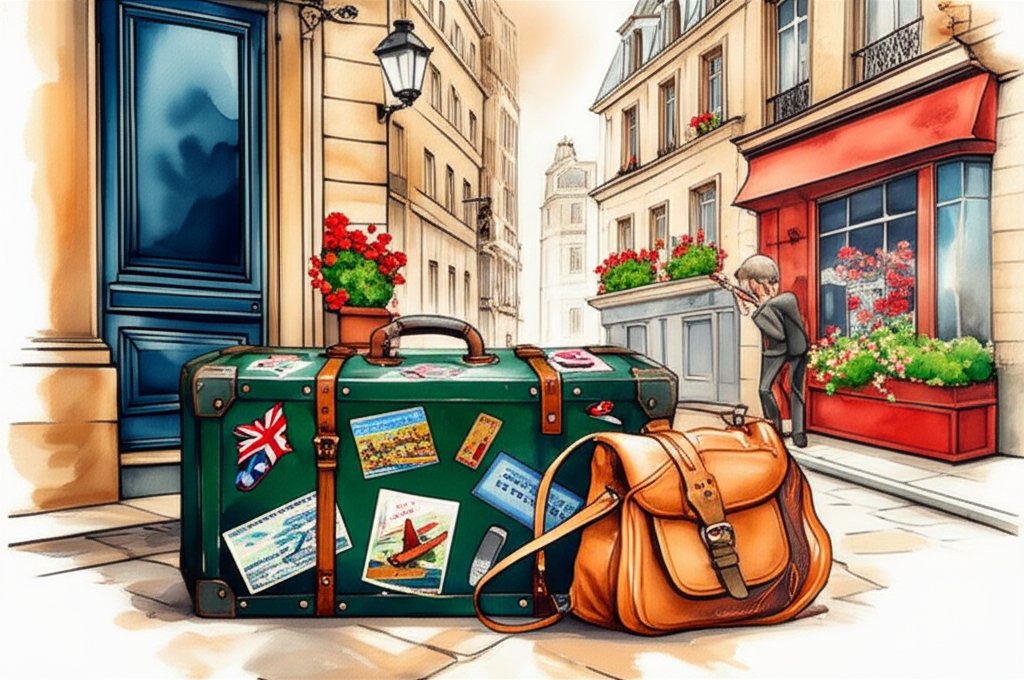
So, you’re dreaming of croissants and cobblestone streets, maybe a visit to the Louvre? France is magical, no doubt. But before you pack your beret, let’s talk about something less charming: pickpocketing France. It’s a reality, especially in tourist hotspots, and being prepared can make all the difference between a dream vacation and a holiday headache.
At a Glance: Key Takeaways
- Stay Alert: Be aware of your surroundings, especially in crowded areas.
- Secure Your Stuff: Use anti-theft bags, hidden pockets, and keep valuables out of sight.
- Limit Cash: Carry only what you need and use a money belt for larger amounts.
- Know the Scams: Be aware of common distraction techniques.
- Report It: If you are robbed, file a police report immediately.
Why is Pickpocketing So Prevalent in France?
France, particularly Paris, attracts millions of tourists each year. This influx of visitors creates opportunities for pickpockets. Think about it: crowded streets, distractions galore, and tourists often carrying cash and valuables. It’s a perfect storm. And while violent crime is relatively low, petty theft like pickpocketing is unfortunately on the rise. Some sources estimate nearly 100,000 tourists are victimized by pickpockets annually in Paris alone. Understand that these thieves are skilled and often work in organized gangs, sometimes even rotating internationally.
Essential Strategies to Shield Yourself from Pickpockets
Okay, enough doom and gloom. Let’s get practical. Here’s how to significantly reduce your risk of becoming a victim.
1. Master the Art of Situational Awareness
This is your first line of defense. Put down your phone and look around. Who’s close to you? Are they paying too much attention? Does something feel “off”? Trust your gut. Scan the environment. Notice who is lingering, who is making direct eye contact, and who seems to be moving with purpose. Being present and aware goes a long way.
2. Fortify Your Belongings: Anti-Theft Gear
Your bag is a target. Make it a difficult one.
- Invest in an anti-theft bag: Look for cross-body bags with locking zippers, slash-proof straps, and RFID-blocking pockets. It’s a small investment that can save you a lot of grief.
- Hidden pockets are your friend: Sew them into your clothing or buy garments with built-in hidden pockets, perfect for stashing cash or a spare credit card.
- Ditch the back pockets (and fanny packs): These are pickpocketing 101. They’re easy targets and scream “tourist.”
- Keep your bag in sight, always: Don’t hang it on the back of your chair or leave it unattended, even for a second.
3. Minimize Your Carry: The “Less is More” Approach
The less you carry, the less you can lose.
- Limit your cash: Carry only what you need for the day. 40-50 Euros should suffice for most daily expenses.
- One credit card is enough: Leave the rest at your hotel.
- Copy, don’t carry: Keep a copy of your passport and ID separate from the originals.
- Embrace the money belt: This is your secret weapon. Keep the bulk of your cash, your passport, and any other irreplaceable items tucked away in a money belt worn under your clothing.
4. Avoid the Bling: Don’t Advertise Your Wealth
Leave the expensive jewelry at home. A Rolex screams “rob me.” This simple rule can make you far less of a target.
5. ATM Smarts: Withdraw Cash Safely
ATMs can be risky, especially for tourists.
- Stick to reputable banks: Opt for well-lit ATMs located inside or directly outside of established banks.
- Shield the pin pad: Always cover the keypad with your hand when entering your PIN.
- Be wary of strangers: If someone is lingering nearby or offering assistance, politely decline and find another ATM.
- Inspect the ATM: Give the machine a quick once-over before using it. Look for anything that seems out of place or tampered with, such as a loose card reader or an odd-looking keypad overlay.
6. Spotting Suspicious Behavior
Learn to recognize the signs of a potential pickpocket. It often starts with them observing you!
- Excessive staring: Is someone paying too much attention to you or your belongings?
- Unnecessary proximity: Are people getting uncomfortably close, especially in crowded areas?
- Bumping and jostling: Be wary of anyone who bumps into you, even accidentally. This is a classic pickpocketing tactic.
- Distraction attempts: Are people trying to distract you with questions, petitions, or by creating a commotion? If so, be extra vigilant. This could be a classic pickpocket distraction technique.
Decoding the Most Common Pickpocketing Scams in France
Pickpockets are creative. They employ a variety of scams to distract you and steal your belongings. Knowing these scams can help you avoid becoming a victim.
The Distraction Game: The Classics
This is the most common tactic. Pickpockets create a distraction to divert your attention while an accomplice steals your valuables.
- The “Petition” Scam: Someone approaches you with a clipboard, asking you to sign a petition. While you’re focused on the petition, an accomplice pickpockets you.
- The “Spill” Scam: Someone “accidentally” spills something on you, like coffee or juice. While they’re apologizing and helping you clean up, an accomplice steals your wallet or phone.
- The “Directions” Scam: Someone asks you for directions and while you are trying to help them, you become distracted. This is when an accomplice steps in to pickpocket your belongings.
- The “Dropped Ring” Scam: The pickpocket will pretend to pick up a gold ring that they say you dropped. They ask if it belongs to you, and during this interaction, someone picks your pocket.
Public Transportation: A Pickpocket’s Paradise
Crowded buses, metros, and trains are prime pickpocketing locations.
- The “Rush Hour” Scam: Thieves target crowded trains and buses, using the close quarters to their advantage. They often escape as the doors close.
- The “Grab and Run” Scam: Someone snatches your phone or purse as the metro doors are closing. This is particularly common near the doors.
Look Out for the “Intentional Tourist”: They Blend to Steal
Pickpockets often dress like tourists themselves to blend in and gain your trust. They may carry maps, cameras, and souvenirs to appear harmless. Don’t let appearances fool you.
High-Risk Zones: Where Pickpockets Thrive in France
Certain locations are hotspots for pickpocketing activity. Be extra vigilant in these areas:
Tourist Attractions: The Obvious Targets
- Eiffel Tower: Especially while queuing for tickets or taking photos.
- Louvre Museum: Inside and outside the museum, especially near popular exhibits.
- Notre Dame Cathedral: Surrounding the cathedral, particularly in crowded areas.
- Sacre-Coeur Basilica: On the steps leading to the basilica and in the Montmartre area.
- Palace of Versailles: While queuing to enter the palace and in the gardens.
Public Transportation: Moving Targets
- Métro (Paris subway): Especially on crowded lines and during rush hour.
- Buses: Similar to metros, crowded buses are prime pickpocketing locations.
- Trains: Especially on trains to and from Charles de Gaulle (CDG) airport.
Department Stores: Shopping Sprees and Stolen Wallets
- Galeries Lafayette & Printemps: These iconic department stores are popular with tourists, making them attractive targets for pickpockets.
- La Samaritaine & Le Bon Marché: Smaller, but still popular, department stores that attract a lot of foot traffic.
Crowded Neighborhoods: Where the Crowds Gather
- Montmartre: The charming, but crowded, streets of Montmartre are a favorite haunt of pickpockets.
- Le Marais: This trendy neighborhood is packed with shops, restaurants, and tourists.
- Latin Quarter: The historic Latin Quarter is another popular tourist destination.
- Pigalle: The red-light district of Paris is known for its crowded streets and tourist traps.
Fast Food Outlets: A Quick Bite and a Missing Wallet
Even grabbing a quick bite can be risky. American fast-food outlets are also targeted. Tourists tend to let their guard down in these familiar environments.
You’ve Been Robbed: What To Do Next
Despite your best efforts, you might still become a victim. Knowing what to do after the fact can minimize the damage.
- Yell “Police!” This might startle the thief and alert others to the situation. Yes, even if you aren’t 100% sure, shouting can deter them.
- File a Police Report: This is crucial for insurance purposes and to provide a description of the thief. Go to the nearest police station (“commissariat de police”) and file a “déclaration de vol” (theft report). You’ll need this report to make an insurance claim and to potentially recover any stolen documents.
Pickpocketing in France: Separating Fact from Fiction
Let’s clear up some misconceptions and address common questions about pickpocketing in France.
- “Is pickpocketing as bad as everyone says?” It’s a problem, but not overwhelming. In my experience, French pickpockets are opportunistic. Awareness and preparedness are key.
- “Are all French people pickpockets?” Absolutely not! This is a harmful stereotype. Pickpockets are criminals who operate in tourist destinations around the world.
- “Will the police do anything if I report a pickpocketing?” They should take your report seriously, especially if you can provide a detailed description of the thief or the circumstances of the theft. However, don’t expect them to recover your belongings.
- “Is it safe to use ATMs in France?” Yes, but use caution. Follow the ATM safety tips mentioned above.
- “Should I carry a dummy wallet?” Some people find this helpful. If you’re targeted, you can hand over the dummy wallet, giving the thief something to take without losing your real valuables.
- “Are certain nationalities targeted more than others?” While pickpockets may target tourists in general, they might focus on those perceived as being less aware or more vulnerable.
Beyond Prevention: Proactive Steps for a Safer Trip
While the above strategies are crucial, consider a few extra steps to enhance your overall safety.
- Travel Insurance: Make sure your travel insurance covers theft. Review the policy details before you leave, so you understand the coverage limits and claim procedures.
- Credit Card Security: Immediately report stolen credit cards to your bank. Many cards offer zero-liability protection for unauthorized charges.
- Digital Security: Password-protect your phone and laptop. Enable remote tracking and wiping in case they’re stolen. Back up your data before you leave.
- Learn Basic French Phrases: Knowing a few basic phrases, like “Help!” (“Au secours!”) or “Thief!” (“Au voleur!”), can be useful in an emergency.
- Stay Connected: Share your itinerary with a friend or family member so they know where you are.
- Consider utilizing Apple AirTags or similar devices: Placing one in your wallet or purse can help you track it if stolen.
Enjoying France Without the Worry: A Final Word
Pickpocketing France is a real risk, but it doesn’t have to ruin your trip. By using common sense, practicing situational awareness, and taking proactive steps to protect your belongings, you can significantly reduce your risk of becoming a victim. Remember, being prepared allows you to relax and fully immerse yourself in the beauty and culture that France has to offer. Don’t let fear keep you from exploring this amazing country. Plan ahead and be mindful. Paris theft can affect anyone, so vigilance is key. Bon voyage! And after your trip, you can always share what you’ve learned with others! You might consider providing travel tips and lessons to family and friends. Another proactive step is to review feedback to accommodation services so that others can feel more prepared. Paris Pickpocket Awareness can be increased by the sharing of information .