Dreaming of capturing the magic of Mont Saint-Michel in stunning photographs? This guide provides you with the knowledge to create unforgettable images of this iconic landmark. We’ll explore the best vantage points, optimal times, essential gear, and safety tips to ensure you return with captivating shots.
Unveiling Mont Saint-Michel: A Photographer’s Paradise
Mont Saint-Michel, a majestic island topped with a medieval abbey, is a magnet for photographers worldwide. Its dramatic tides, captivating architecture, and surrounding landscapes offer endless creative possibilities. This guide will equip you with the tools to unlock its photographic potential.
Location Scouting: Discovering the Perfect Perspective
Finding the right location is crucial for capturing the essence of Mont Saint-Michel. Here are some prime spots to consider:
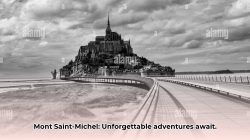
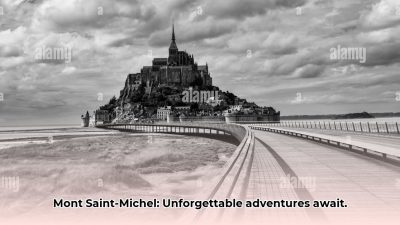
- The Dam: A Timeless Classic: The dam provides a head-on, iconic view of Mont Saint-Michel, especially striking during high tide when the island appears to float serenely on the water. Experiment with slightly different angles to add your unique perspective. Capture the interplay of light and shadow during the golden hour for a truly magical image.
- The Meanders: A Winding Journey: Venture along these winding paths for unique perspectives as they snake towards the abbey. Low tide reveals intricate textures and patterns in the sand, offering a great opportunity for compelling compositions. A wide-angle lens will capture the breadth of the landscape, emphasizing the meanders’ curves.
- The Causeway: A Dynamic Approach: The causeway leading to the island presents dynamic compositions with natural leading lines. Capture the reflection of the abbey in the water during high tide, creating a mesmerizing symmetrical image. Experiment with different focal lengths to compress or expand the perspective.
- Hidden Gems: Venturing Off the Beaten Path: Don’t limit yourself to the popular spots. Explore the surrounding countryside to discover hidden viewpoints that offer fresh perspectives. Elevated locations provide a broader context of the island within the bay, allowing for stunning panoramic views.
Charting the Tides: Timing for Breathtaking Shots
Mont Saint-Michel’s tides dramatically transform the landscape. Understanding their rhythm is essential for planning your photography:
- High Tide Spectacle: Witness Mont Saint-Michel transformed into a dramatic island fortress, seemingly isolated in the vast expanse of water. This offers incredible reflective images, emphasizing the island’s majesty. Plan your arrival to coincide with high tide for optimal viewing.
- Low Tide Exploration: Low tide unveils the expansive sandy bay, offering unique perspectives and access to areas otherwise submerged. Be cautious of quicksand and stick to marked paths for safety. Capture the textures and patterns of the exposed seabed.
- Golden and Blue Hours: Embracing the Magic Light: The golden hour (shortly after sunrise and before sunset) bathes the landscape in warm, golden light, creating a serene and inviting atmosphere. The blue hour (twilight) offers a cooler, more ethereal mood that is equally dramatic. Experiment with both to find your preferred style.
- Seasonal Variations: A Year-Round Delight: Each season brings its own unique charm to Mont Saint-Michel. Summer offers long daylight hours, but crowds can be significant. Spring and autumn provide a balance of pleasant weather and fewer tourists. Winter can be dramatic with stormy skies and unique light, but be prepared for challenging conditions.
Camera Settings and Techniques: Mastering the Art of Photography
Let’s delve into the technical aspects of photography in a way that’s accessible to photographers of all levels:
- Camera Essentials: A sturdy tripod is essential for sharp images, especially in low light conditions. Experiment with aperture (f-stop) to control depth of field, shutter speed to capture motion, and ISO to adjust sensitivity to light.
- Lens Selection: Choosing the Right Tool: A wide-angle lens (16-35mm) is ideal for capturing the grand scale of the landscape. A telephoto lens (70-200mm or longer) allows you to zoom in on details and compress perspective. Consider bringing both for versatility.
- Compositional Techniques: Experiment with compositional techniques such as the rule of thirds, leading lines, and symmetry to create visually engaging images.
- Post-Processing: Refining Your Vision: Enhance your photos subtly in post-processing software like Adobe Lightroom or Capture One. Adjust contrast, brightness, and saturation to bring out the best in your images, but avoid over-processing.
Safety and Respect: Responsible Photography
Safety and environmental responsibility are paramount when photographing Mont Saint-Michel:
- Tide Awareness: Staying Safe: Always check tide charts before venturing out onto the bay. The tides are powerful and can rise quickly, posing a danger to those who are unprepared.
- Quicksand Precautions: Avoiding Danger: Never stray from marked paths, especially during low tide. Quicksand is a real hazard in the bay.
- Drone Regulations: Flying Responsibly: Check local regulations regarding drone use before flying. Restrictions may be in place to protect the environment and privacy.
- Environmental Stewardship: Leaving No Trace: Be mindful of the environment and fellow visitors. Avoid disturbing wildlife, stay on designated paths, and pack out everything you pack in.
Inspirational Gallery: Visualizing the Possibilities
(Showcase a curated collection of stunning Mont Saint-Michel photographs, demonstrating the techniques and locations discussed. Provide proper photo credits.)
Bonus Tips: Making the Most of Your Experience
- Plan Your Transportation: Parking can be limited, especially during peak season. Consider using public transportation or shuttle buses to access the island.
- Book Accommodation in Advance: Secure your accommodation well in advance, particularly if you’re traveling during peak season. Numerous charming hotels and guesthouses are located in the surrounding area.
- Explore Normandy’s Treasures: Extend your trip to discover other attractions in Normandy, such as the historic D-Day landing beaches, the picturesque town of Honfleur, or the charming city of Rouen.
By following these guidelines, you’ll be well-equipped to capture breathtaking photos of Mont Saint-Michel and create lasting memories of your visit. Remember to embrace your creativity, experiment with different techniques, and most importantly, enjoy the experience!
Mastering Mont Saint-Michel Photography: Capturing the Magic at Different Tide Levels
Key Takeaways:
- Strategic planning is essential for captivating Mont Saint-Michel photos. This includes understanding tide times, optimal lighting, and ideal viewpoints.
- Golden hour (sunrise and sunset) provides the most flattering light, enhancing the abbey’s beauty.
- Various viewpoints offer unique compositions. Scout locations beforehand to maximize your photographic opportunities.
- Understanding tidal patterns is crucial for capturing the best shots. Consult tide charts for precise timings.
- Consider weather conditions and seasonal crowds when planning your trip. Spring and autumn offer a sweet spot.
- Invest in versatile camera equipment. Wide-angle and telephoto lenses are essential for capturing diverse perspectives.
- Prioritize safety. Be mindful of the terrain, especially during low tide, and heed tide warnings.
High Tide vs. Low Tide: Two Distinct Worlds
The key to mastering Mont Saint-Michel photography lies in understanding the dramatic impact of the tides. High tide transforms Mont Saint-Michel into a breathtaking island, seemingly floating on a mirror-like expanse of water which enhances visual appeal.
Low tide conversely, reveals the vast bay, offering opportunities for unique compositions. Capture the abbey from across the exposed sand, incorporating textures and leading lines into your composition. However, navigating the mudflats requires caution. Never venture too far, and be aware of the potential for quicksand.
Prime Shooting Locations: A Visual Guide
- The Dam: Offers a classic, wide-angle perspective, perfect for capturing the abbey’s majestic profile against the water. High tide accentuates the reflection, while low tide reveals the expanse of the bay.
- The Causeway: Accessible only during low tide, this provides intimate shots, showcasing the abbey’s structure and texture. However, the terrain can be unpredictable.
- The Meanders: These winding paths offer picturesque perspectives, especially at low tide. Experiment with different angles to find your best shot. The meanders are often less crowded than the causeway.
- Elevated Viewpoints: Surrounding hills offer panoramic views, capturing the full scope of the surrounding environment. This works especially well at both high and low tides.
Chasing the Light: Golden Hour and Beyond
Don’t underestimate the power of the golden hour—that magical period shortly after sunrise and before sunset. The soft, warm light dramatically enhances the abbey’s stonework, creating a sense of warmth and intimacy. Blue hour, the twilight period after sunset, provides a cooler, more dramatic mood.
The season also plays a role, affecting lighting conditions. Spring and autumn often present ideal conditions, offering a balance of pleasant weather and fewer crowds. Summer can be overwhelmingly busy, while winter might bring unpredictable weather.
Essential Gear and Techniques
Your choice of equipment can greatly impact the final result. A wide-angle lens captures the grand scale of Mont Saint-Michel, while a telephoto lens allows you to isolate specific architectural details. Consider a tripod for sharp images, especially during low light conditions. Mastering your camera settings (aperture, shutter speed, ISO) is also key to achieving optimal exposure in any scenario. Basic post-processing can further enhance your images.
Respecting the Environment
Remember, Mont Saint-Michel is a fragile environment that needs to be protected. Adhere to safety guidelines, especially when exploring the mudflats at low tide. Respect local regulations. Leave no trace behind.
Mont Saint-Michel: Mastering Low Tide Perspectives for Striking Photos
Key Takeaways:
- Plan your trip during the shoulder seasons (spring/fall) for fewer crowds and pleasant weather.
- Consult tide charts to maximize your opportunities. Low tide reveals stunning perspectives of Mont Saint-Michel.
- Explore various viewpoints: the dam for expansive shots, the causeway for intimate details, and the surrounding meadows for unique foregrounds.
- Master the golden and blue hours for optimal lighting.
- Pack appropriate gear: a sturdy tripod, wide-angle and telephoto lenses are essential.
- Prioritize safety. Heed tide warnings and avoid risky areas.
Finding Your Perfect Angle
- The Dam: Provides breathtaking panoramic vistas, capturing the scale of the site.
- The Causeway: As the tide recedes, the causeway offers an intimate perspective, providing a unique closeness to the site.
- The Meadows: Explore the surrounding meadows to find unique foreground elements. Sheep grazing peacefully add a touch of rustic charm. Combine them with the island in the background.
- Meanders of the Couesnon River: With a longer lens, capture Mont Saint-Michel nestled amongst the gentle bends of the Couesnon River. It’s a tranquil and picturesque perspective.
Timing
- Tides: Low tide exposes vast expanses of sand, creating dramatic foregrounds for your photos. High tide, conversely, isolates the island. Consult tide charts carefully.
- Light: Golden hour (sunrise and sunset) paints the island in warm, magical light. Blue hour (twilight) offers a serene, almost ethereal atmosphere.
- Crowds: Shoulder seasons (spring and autumn) offer a sweet spot: pleasant weather and manageable visitor numbers. Mid-week visits are also generally quieter.
Gear
- Camera: A DSLR or mirrorless camera with manual controls is ideal.
- Lenses: A wide-angle lens (16-35mm) captures expansive landscapes. A telephoto lens (70-200mm or longer) isolates details and compresses perspective.
- Tripod: Essential for sharp images, especially in low light or when using long shutter speeds.
- Filters: Consider using a neutral density (ND) filter for long exposures or a polarizing filter to enhance color and reduce glare.
Safety
- Tide Safety: Never underestimate the power of the tides. Check tide predictions and warnings diligently. Avoid venturing onto the sandflats without local guidance.
- Environmental Respect: Tread lightly; protect the natural beauty of the area.
- Drone Regulations: Note that drone usage is typically restricted.
Mont Saint Michel Photography During Equinoxes: Capturing The Best Photos
Key Takeaways:
- Strategic planning is crucial for memorable photos. This includes understanding tide times, optimal lighting, and ideal viewpoints.
- Mont Saint Michel Photography During Equinoxes offers unique opportunities due to extreme tidal variations.
- Mastering camera settings and lenses (wide-angle and telephoto) are essential.
- Safety precautions around the bay are paramount. Respect the environment and regulations.
Finding Your Perfect Shot
- The Dam: This iconic viewpoint provides classic, sweeping panoramas. Shoot during golden hour for breathtaking light. Consider a wider lens to capture the vastness of the bay.
- The Meanders: During low tide, explore the meandering tidal paths. Use a telephoto lens to emphasize the scale of the abbey.
- The Causeway: This walkway offers unique perspectives of the architecture. Take advantage of both high and low tide to capture contrasting images.
- Hidden Gems: Venture beyond the popular spots to discover your own unique perspectives.
Timing is Everything
The tides at Mont Saint-Michel dramatically alter the island’s appearance. Planning around these changes is critical.
- Equinoxes: Mont Saint Michel Photography During Equinoxes presents exceptionally powerful tidal dynamics. These periods offer the greatest chance to photograph the island’s dramatic isolation during high tide and wide expansive mudflats during low tide.
- High Tide: This dramatic moment isolates the island.
- Low Tide: Low tide reveals expansive mudflats and hidden pathways. However, always prioritize safety by heeding warnings and avoiding dangerous situations.
- Golden Hour: Both sunrise and sunset paint the abbey and the bay in warm, magical light.
- Blue Hour: This short period after sunset or before sunrise offers a serene, moody atmosphere.
Technical Aspects
- Lenses: A versatile set is ideal. Wide-angle lenses encompass the grand scale, while telephoto lenses compress perspective and emphasize detail.
- Camera Settings: Adjust your aperture, shutter speed, and ISO according to the lighting conditions. Use a tripod for sharp images, especially in low light.
- Post-Processing: Enhance your photos with careful editing. Adjust contrast, sharpness, and color balance. Experiment with different effects.
Safety
Safety and respect are paramount around Mont Saint-Michel.
- Mudflats: Never venture onto the mudflats without researching tide times and using caution. Quicksand is a real risk.
- Drone Photography: Check regulations thoroughly before flying a drone.
- Respect: Be mindful of other visitors and the environment. Leave no trace.
Bonus Tips:
- Transportation: Access Mont Saint-Michel by car, bus, or train. Consider the shuttle bus for easy access.
- Accommodation: Choose from a range of hotels, guesthouses, and campsites in the surrounding area. Book in advance, especially during peak season.
- Explore: Extend your trip to discover nearby attractions such as the charming town of Avranches.