Dreaming of cobblestone streets, charming cafes, and a croissant on every corner? You’re not alone. Paris consistently ranks as a top destination for expats and for good reason. But with 20 unique arrondissements (districts), deciding on the best places to live in paris france can feel overwhelming. This guide breaks down the most desirable neighborhoods, offering insights into cost of living, safety, amenities, and that quintessential Parisian je ne sais quoi.
At a Glance:
- Paris is divided into 20 arrondissements, each with a distinct personality.
- Cost of living varies dramatically between neighborhoods.
- Safety is generally good, but being aware of your surroundings is always important.
- Proximity to amenities (parks, shops, transportation) is a key consideration.
- Consider your lifestyle and priorities when choosing a neighborhood.
Finding Your Parisian Paradise: A Neighborhood-by-Neighborhood Guide
Let’s dive into some of the most sought-after areas in Paris, exploring what makes them special and whether they’re a good fit for you.
Le Marais (4th Arrondissement): History Meets Hip
Le Marais is a vibrant tapestry of history and modernity. Picture this: medieval architecture housing trendy boutiques, art galleries tucked away on winding streets, and a palpable energy that buzzes day and night. Known for its LGBTQ+ scene, Le Marais is a welcoming and inclusive neighborhood with a strong sense of community. But this popularity comes at a price; expect a high cost of living.
- Cost: High
- Why it’s great: Trendy shops, art scene, historical charm, lively atmosphere.
- Things to do: Explore art galleries, browse boutiques, enjoy the nightlife.
- Safety: Moderate
- Transportation: Metro lines 1 & 11, bus lines.
- Insider tip: The northern part of Le Marais offers a slightly quieter atmosphere.
Saint-Germain-des-Prés (6th Arrondissement): A Literary Legacy
Imagine yourself sipping coffee at Les Deux Magots, a café once frequented by Hemingway and Sartre. Saint-Germain-des-Prés exudes intellectual charm, boasting a rich literary and artistic heritage. Expect charming cafes, independent bookstores, and high-end boutiques. The Jardin du Luxembourg provides a beautiful green escape. However, this prestigious location comes with a hefty price tag.
- Cost: High
- Why it’s great: Literary history, charming cafes, beautiful parks (Jardin du Luxembourg), high-end shopping.
- Things to do: Visit the Jardin du Luxembourg, browse bookstores, explore art galleries.
- Safety: Moderate
- Transportation: Metro lines 4 & 10, bus lines.
The Latin Quarter (5th Arrondissement): The Heart of Academia
Home to the Sorbonne University, the Latin Quarter pulsates with student energy and intellectual curiosity. This area is steeped in academic tradition and bohemian culture, with countless bookstores, cafes, and historic landmarks. You’ll find the Panthéon here, a neoclassical monument housing the tombs of notable French figures. Keep in mind, the area can get quite crowded with tourists and students.
- Cost: High
- Why it’s great: Academic atmosphere, historical landmarks (Sorbonne, Panthéon), vibrant student life.
- Things to do: Visit the Sorbonne, explore bookstores, enjoy the lively cafe scene.
- Safety: Moderate
- Transportation: Metro lines 7 & 10, bus lines.
Montmartre (18th Arrondissement): Artistic Inspiration
Perched atop a hill overlooking Paris, Montmartre is synonymous with art and bohemianism. The Sacré-Cœur Basilica dominates the skyline, offering stunning panoramic views. Explore Place du Tertre, where artists create and sell their work. The Moulin Rouge adds a touch of cabaret glamour. While undeniably charming, Montmartre can be crowded, especially during peak season. best neighborhood in paris is undoubtedly one of the most iconic, but keep its “touristy” element in mind.
- Cost: High
- Why it’s great: Artistic atmosphere, stunning views, iconic landmarks (Sacré-Cœur, Moulin Rouge).
- Things to do: Visit the Sacré-Cœur, explore Place du Tertre, catch a show at the Moulin Rouge.
- Safety: Moderate (some areas less safe at night)
- Transportation: Funicular railway, Metro line 2.
- Insider tip: Take a painting class to capture the essence of the neighborhood.
Canal Saint-Martin (10th Arrondissement): Trendy and Tranquil
The Canal Saint-Martin is a vibrant and trendy neighborhood centered around its namesake canal. Discover street art, enjoy lively bars and restaurants, and soak in the cool atmosphere. This area offers a more relaxed vibe than some of the more tourist-heavy districts.
- Cost: High
- Why it’s great: Trendy atmosphere, beautiful canal, street art, lively bars and restaurants.
- Things to do: Stroll along the canal, explore street art, enjoy the nightlife.
- Safety: Moderate
- Transportation: Metro lines 2, 5 & 7, bus lines.
Passy (16th Arrondissement): Elegance and Refinement
Passy is an affluent neighborhood known for its elegant architecture, upscale boutiques, and beautiful parks. Located in the 16th arrondissement, it offers a more residential and refined atmosphere. You’ll find the Eiffel Tower and Trocadéro Palace nearby. This is one of the safest areas in Paris, but also one of the most expensive.
- Cost: Very High
- Why it’s great: Elegant architecture, upscale shopping, proximity to the Eiffel Tower, high safety.
- Things to do: Visit the Eiffel Tower, stroll through the Bois de Boulogne, explore upscale boutiques.
- Safety: High
- Transportation: Metro lines 6 & 9, bus lines.
- Insider tip: Stroll through the Bois de Boulogne, a large park offering a welcome escape from the city.
Madeleine (8th Arrondissement): Luxury Living
The Madeleine neighborhood epitomizes Parisian luxury. Expect high-end shops, fine-dining restaurants, and stunning architecture. Located in the 8th arrondissement, it offers easy access to iconic landmarks like Place de la Concorde and the Champs-Élysées. Prepare for a very high cost of living.
- Cost: Very High
- Why it’s great: High-end shopping, fine-dining, beautiful architecture, proximity to major attractions.
- Things to do: Shop on the Champs-Élysées, dine at Michelin-starred restaurants, visit Place de la Concorde.
- Safety: High
- Transportation: Metro lines 8, 12 & 14, bus lines.
Trocadéro (16th Arrondissement): Iconic Views
Trocadéro is a prestigious neighborhood offering unparalleled views of the Eiffel Tower. Expect elegant palaces, beautiful gardens, and a sophisticated atmosphere. Like Passy (also in the 16th), Trocadéro offers a safe and upscale living environment, albeit at a premium price.
- Cost: Very High
- Why it’s great: Stunning views of the Eiffel Tower, elegant surroundings, high safety.
- Things to do: Visit the Trocadéro gardens, admire the Eiffel Tower.
- Safety: High
- Transportation: Metro lines 6 & 9, bus lines.
- Insider tip: Visit Trocadéro gardens at sunset for a breathtaking view.
Louvre/Tuileries (1st Arrondissement): Central and Cultural
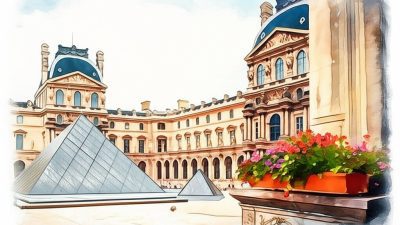
Living in the Louvre/Tuileries area puts you in the heart of Paris, surrounded by world-class museums and historic landmarks. Explore the Louvre Museum, stroll through the Tuileries Garden, and admire the architecture of Place de la Concorde. This prime location comes with a very high price tag.
- Cost: Very High
- Why it’s great: Proximity to major museums and landmarks (Louvre, Tuileries Garden), central location.
- Things to do: Visit the Louvre Museum, stroll through the Tuileries Garden, explore Place de la Concorde.
- Safety: High
- Transportation: Metro lines 1 & 7, bus lines.
Bastille (11th/12th Arrondissements): Vibrant Nightlife
Bastille is a lively neighborhood known for its trendy bars, cafes, nightlife, boutiques, and galleries. The area offers a more relaxed and affordable alternative to some of the more upscale districts. You’ll find Place de la Bastille, a historic square commemorating the storming of the Bastille prison. Be aware that the nightlife can get loud, and certain areas may feel less safe late at night.
- Cost: High
- Why it’s great: Vibrant nightlife, trendy bars and cafes, affordable options.
- Things to do: Explore the nightlife, visit Place de la Bastille.
- Safety: Moderate
- Transportation: Metro lines 1, 5, 8 & 9, bus lines.
Bercy (12th Arrondissement): Modern and Green
Bercy is a modern neighborhood with contemporary architecture, green spaces, and cultural venues. The area offers a more residential and family-friendly atmosphere compared to some of the more central districts. Visit the AccorHotels Arena for concerts and events, and explore Parc de Bercy, a large park with themed gardens.
- Cost: High
- Why it’s great: Modern architecture, green spaces (Parc de Bercy), cultural venues.
- Things to do: Visit the AccorHotels Arena, explore Parc de Bercy.
- Safety: High
- Transportation: Metro lines 14 & 6, bus lines.
- Insider tip: Visit the Cité de la Mode et du Design, a modern architectural landmark.
Batignolles-Monceau (17th Arrondissement): Classic Charm and Laid-Back Energy
If you’re seeking classic Parisian charm without the intense tourist crowds, Batignolles-Monceau offers a delightful compromise. This area blends stunning Haussmannian architecture with a laid-back, village-like atmosphere. best district to live in depends on the specific needs, but for those prioritizing charm and a slower pace, this could be it.
- Cost: Moderate to High
- Why it’s great: Beautiful architecture, relaxed atmosphere, organic markets, proximity to Parc Monceau.
- Things to do: Stroll through Parc Monceau, explore the organic markets, relax at a local café.
- Safety: High
- Transportation: Metro lines 2 & 3, bus lines.
Beyond the “Best”: Other Parisian Neighborhoods To Consider
While the areas listed above are highly desirable, Paris offers a wealth of other options depending on your priorities.
- 19th Arrondissement: An up-and-coming area with relatively affordable housing. Attractions include Parc des Buttes Chaumont and Parc de la Villette (home to concert venues, a science museum, and La Géode).
- 15th Arrondissement: A family-friendly neighborhood with excellent schools and plenty of green spaces like Parc George Brassens and Parc André Citroën.
- 16th Arrondissement (beyond Passy and Trocadéro): Offers a mix of green spaces, shopping opportunities, and bilingual schools. It’s also home to the Arc de Triomphe and the Bois de Boulogne.
Safety in Paris: A Realistic Perspective
Generally speaking, Paris is a safe city, especially in well-lit and busier areas. However, like any major urban center, it’s important to exercise caution. Pickpockets are a concern in crowded areas such as Gare du Nord, Gare de l’Est, Châtelet, and Les Halles. Some parts of the 18th and 19th arrondissements can be less safe at night. Always be aware of your surroundings and keep your belongings secure.
Cost of Living: The Elephant in the Room
Living in Paris can be expensive, particularly in the most desirable neighborhoods. Rent, groceries, and entertainment can all add up quickly. Consider your budget carefully when choosing an arrondissement. The 16th arrondissement (Passy) is generally considered the richest area, so expect higher prices there.
Alternative Cities to Consider Outside of Paris
While Paris holds undeniable appeal, France boasts many other vibrant cities that might be a better fit for your lifestyle and budget. Here are a few to consider:
- Lyon: A major economic hub with ample job opportunities in banking, technology, and pharmaceuticals. It’s known for its excellent cuisine and rich history.
- Toulouse: Known as “La Ville Rose” (The Pink City) for its beautiful canals, pinkish-hued Spanish-style architecture, and bustling nightlife.
- Grenoble: Offers a unique blend of urban life and natural beauty, nestled in the French Alps.
- Marseille: A bustling port city with a rich history dating back to the Roman Empire. It offers a more multicultural and gritty atmosphere than Paris.
- Montpellier: Known for its sunny weather, stunning architecture, and proximity to the Mediterranean Sea.
- Strasbourg: The cultural and economic hub of Alsace, offering a unique blend of French and German influences.
- Annecy: A charming town located on the shores of Lake Annecy, known for its picturesque canals and stunning mountain views.
- Bordeaux: World-renowned for its wines, Bordeaux offers a sophisticated and relaxed lifestyle. Discover top Paris neighborhoods and compare them to these other French cities before making your final decision.
- Nice: Is one of the best places for expats to live in France.
Making Your Decision: Key Considerations
Choosing the best place to live in Paris is a personal decision. Consider these factors to help you narrow down your options:
- Budget: How much can you afford to spend on rent and living expenses?
- Lifestyle: Do you prefer a lively and bustling atmosphere or a more quiet and residential area?
- Proximity to work or school: How important is it to be close to your place of work or study?
- Amenities: What amenities are important to you (parks, shops, restaurants, transportation)?
- Safety: How important is safety to you?
Common Questions About Living in Paris
- Is it safe to walk alone at night in Paris? Generally yes, in well-lit and populated areas. However, it’s always wise to be aware of your surroundings and avoid less populated streets, especially in certain areas of the 18th and 19th arrondissements.
- What is the best arrondissement for families? The 15th arrondissement is often considered a good choice for families due to its excellent schools and green spaces.
- How much does it cost to rent an apartment in Paris? Rent varies widely depending on the arrondissement, size, and condition of the apartment. Expect to pay significantly more in central and upscale areas.
- Do I need to speak French to live in Paris? While it’s possible to get by with English, learning French will greatly enhance your experience and make it easier to integrate into Parisian life.
Your Next Steps: Turning the Dream into Reality
Finding the best place to live in Paris, France, requires research, planning, and a bit of flexibility. Start by defining your priorities, exploring different neighborhoods, and connecting with other expats who have made the move. Websites like SeLoger and Logic-Immo are excellent resources for finding apartments. Consider a short-term rental to experience different areas before committing to a long-term lease. With careful planning and a sense of adventure, you can find your perfect Parisian home.