Ever wished you could step back in time? France offers more than just iconic landmarks; it’s home to incredible Roman ruins, remnants of a powerful empire. This guide provides an inside look at the best-preserved sites, offering details on what to see, how to get there, and what to expect, from amphitheaters and aqueducts to well-kept villas. For more on Orange’s Roman Theatre, see this Orange’s history. Get ready to discover a new side of France!
Ancient Roman Sites to Visit in France: Your Journey Through Time
France conjures images of charming villages and bustling cities, but tucked away is a hidden treasure trove of Roman history. These sites are vibrant reminders of a powerful empire, offering a captivating glimpse into daily life thousands of years ago. Let’s explore these architectural marvels.
Engineering Wonders: Aqueducts, Fortifications, and Bridges That Defy Time
Begin with the Pont du Gard, near Nîmes. This breathtaking, three-tiered Roman aqueduct showcases engineering skills that still astound us today. Venture inside to understand its construction and purpose. Explore Nîmes itself, where the remarkably preserved amphitheater hosts events even today. Stepping into this arena is like traveling back in time and finding yourself at a modern concert.
Roman City Life: A Glimpse into Daily Life in Gaul
Nîmes is just one piece of the puzzle. Head to Arles, another major Roman hub. You’ll discover another spectacular amphitheater and other Roman architecture. Comparing these cities offers a deeper understanding of Roman urban planning. Some ancient structures were even incorporated into medieval buildings, revealing the lasting impact of Roman design and planning. Don’t miss the Arles Antique Museum to deepen your knowledge.
Beyond the Usual Suspects: Unearthing Hidden Roman Gems and Ancient Relics
While Nîmes and Arles are fantastic, explore lesser-known Roman sites like Fréjus, a former port city with intriguing ruins, including a theater, aqueducts, and temples. Also, consider Glanum, near Arles, for a quieter encounter with Roman history. These hidden gems offer a more personal connection to the past and illustrate the Roman Empire’s reach. Consider visiting Saint-Rémy-de-Provence nearby and combine it with Glanum.
Planning Your Roman Holiday: A Few Practical Tips
Before your adventure, do some prep work. Accessibility varies across sites. Check official websites for opening times, fees, and special events to avoid disappointment. Many locations offer combination tickets for multiple sites, saving you money.
Enhancing Your Experience: Guided Tours & Local Insights
Most sites offer guided tours led by passionate enthusiasts who bring the ancient stones to life, sharing stories and details you’d likely miss on your own. Chatting with locals passionate about their region’s history can also enrich your experience. Learning basic French phrases can help you connect with guides and locals alike.
Making it Smooth: Tips for a Stress-Free Roman Getaway
Here’s a quick checklist:
- Research in Advance: Check opening hours, entrance fees, accessibility details, and nearby amenities.
- Book Tours Early: Pre-booking avoids disappointment, especially during peak season, or for special themed tours.
- Wear Comfortable Shoes: You’ll be doing a lot of walking, often on uneven ground.
- Bring Water and Snacks: Staying hydrated is key, especially on warmer days, as some sites have limited facilities.
- Respect the Sites: Follow the rules to help preserve these historical treasures for future generations.
- Pack Sunscreen and a Hat: The Mediterranean sun can be intense, especially during the summer months.
A Handy Summary of Key Roman Sites:
| Site | Location | What to Expect | Accessibility | Things to Note |
|---|---|---|---|---|
| Pont du Gard | Near Nîmes | Stunning aqueduct; incredible engineering with visitor center | Excellent | Easy access, plenty of parking; combine with a visit to Uzès. |
| Nîmes Amphitheater | Nîmes | Remarkably preserved; still used for events! | Excellent | Check the event schedule before you go! |
| Arles Amphitheater | Arles | Impressive amphitheater; part of a larger complex | Good | Explore the Arles Roman Theatre complex and Musée de l’Arles Antique. |
| Fréjus Ruins | Fréjus | Theater, aqueducts, temples, and port remnants | Moderate | Be prepared for some serious walking; some areas may have limited accessibility. |
| Glanum Ruins | Near Arles | Quieter, more intimate Roman experience | Moderate | Might involve more walking; accessibility may vary; combine with a visit to Saint-Rémy-de-Provence. |
| Maison Carrée (Nîmes) | Nîmes | One of the best-preserved Roman temples; stunning architecture | Excellent | Visit during off-peak hours to avoid crowds; explore the Norman Foster designed square surrounding it. |
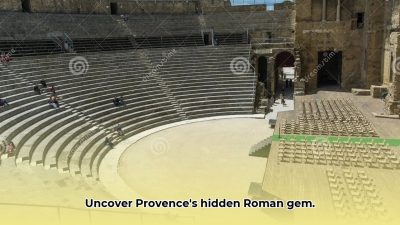
| Roman Theatre (Orange) | Orange | Incredibly well-preserved Roman theatre; UNESCO World Heritage site | Good | Check for summer performances; The Triumphal Arch of Orange is nearby and worth seeing. |
This guide offers a journey through the enduring legacy of the Roman Empire in France. Get ready for history, architecture, and amazing stories!
How to Plan a Multi-Site Roman France Itinerary Considering Preservation Efforts and Accessibility
France offers remarkably preserved Roman sites. Planning a multi-site itinerary requires considering accessibility, preservation efforts, and personal interests.
- France offers a wealth of remarkably preserved Roman sites.
- Planning a multi-site itinerary requires careful consideration of accessibility and preservation efforts.
- Prioritize sites based on personal interests and available time.
Southern France: A Roman Explorer’s Paradise
Begin your journey in the south of France, a region brimming with Roman heritage, boasting some of the best-preserved Roman structures due to its climate and continuous human occupation.
Nîmes: A Roman City’s Heart
Nîmes is a must-see for any Roman enthusiast. The well-preserved Nîmes Arena, still hosting events, showcases its structural integrity. The Maison Carrée, an intact temple, exemplifies Roman temple architecture. Both sites offer excellent accessibility, but check specific websites for updates. Consider visiting the nearby Temple of Diana remains.
Pont du Gard: Engineering Marvel
Near Nîmes, the Pont du Gard aqueduct demonstrates Roman engineering prowess. Plan your visit carefully, considering accessibility and arriving early to avoid crowds. Take advantage of the museum on-site to learn more about its construction.
Beyond the South: Exploring Other Roman Gems
Beyond the south, other regions hold Roman relics, revealing a diverse picture of Roman influence.
Arles: A City Steeped in History
Arles offers a blend of Roman and later influences. The Roman Theatre and Amphitheatre offer a glimpse into the past, but wheelchair access may be limited. Combine your visit with a trip to the Alyscamps Roman necropolis for a somber yet fascinating experience.
Lyon: A Northern Outpost of Roman Power
Further north, Lyon, once Lugdunum, provides a perspective on Roman life in Gaul. Fourvière Hill holds Roman theaters and temples integrated into the city, but accessibility varies. The Lugdunum Museum offers an excellent collection of Roman artifacts.
Vienne: A Hidden Jewel near Lyon
Just south of Lyon, Vienne offers the Temple of Augustus and Livia, a remarkably well-preserved Roman temple, showcasing the northern reach of Roman influence.
How to Plan Your Multi-Site Itinerary: A Step-by-Step Guide
- Research: Thoroughly research opening hours, accessibility, potential crowds, and transportation options.
- Prioritize: Prioritize sites based on your interests and available time, creating a realistic itinerary.
- Transportation: Consider travel time. France’s train system suits longer distances, and car rentals offer flexibility. The TGV (high-speed train) can significantly reduce travel times between cities.
- Accessibility: Plan meticulously, checking each site’s website for accessibility features, including wheelchair access, ramps, and accessible restrooms.
- Booking: Book tickets online in advance, especially during peak season, to avoid long queues.
- Accommodation: Choose accommodations that are centrally located and offer easy access to public transportation.
- Sustainability: Support sustainable tourism by choosing eco-friendly transportation, supporting local businesses, and respecting the environment.
Balancing Preservation and Tourism
Respect the fragile remnants of the past by adhering to site rules, avoiding touching structures, and maintaining a respectful distance. Dispose of waste properly and avoid disturbing the surrounding environment.
Exploring Roman France: Unveiling Lesser-Known Architectural Marvels
Rural France holds a treasure trove of Roman ruins, offering a unique perspective on Roman provincial life, a more intimate experience, and remarkable examples of Roman engineering.
- Rural France holds a treasure trove of Roman ruins, offering a unique perspective on Roman provincial life.
- These lesser-known sites provide a more intimate and less crowded experience than major tourist attractions.
- The ruins showcase remarkable Roman engineering and architectural artistry, reflecting regional variations.
Burgundy: A Bastion of Roman Power
Burgundy offers hidden gems like Autun, boasting preserved city gates and the remnants of a Roman theater. Alesia offers a glimpse into military history, the site of Caesar’s decisive victory. Consider visiting the Bibracte Museum of Celtic Civilisation nearby to understand the pre-Roman context.
Charentes: Life in Roman Gaul
Charentes showcases the Roman influence with the amphitheaters of Saintes. Explore traces of daily life in Roman baths, offering a window into the past. The Arch of Germanicus in Saintes is another notable Roman monument.
Provence: Where Roman and Greek Cultures Intertwined
Provence’s Roman heritage includes Roman architecture and Greek elements, a unique cultural blend. Explore the ruins of Glanum blending Greek and Roman influences.
Planning Your Journey Through Time
Ready to embark on your own adventure?
- Research: Research each site’s history and what to expect.
- Transportation: Consider renting a car for flexibility due to limited public transportation.
- Timing: Check opening hours and plan your visits accordingly. Many smaller sites have limited hours or are only open during certain seasons.
- Accommodation: Book accommodations in advance, especially during peak season. Look for “gîtes” or chambres d’hôtes (bed and breakfasts) for a more authentic experience.
- Respect: Be mindful of the environment and follow all guidelines. Leave no trace behind.
- Learn basic French: While English may be spoken in tourist areas, knowing some French will enhance your experience, especially in rural regions.
Sustainable Tourism Strategies for Roman Sites in France
Responsible travel minimizes environmental impact while supporting local communities. Planning ahead ensures a fulfilling and sustainable trip.
- France offers a wealth of remarkably preserved Roman sites.
- Responsible travel minimizes the environmental impact while supporting local communities.
- Planning ahead ensures a fulfilling and sustainable trip.
Exploring Roman France Sustainably: Arles
Arles, in Provence, offers an incredible Roman heritage, most notably its ancient amphitheater. Visit during the shoulder seasons (spring or fall) to avoid crowds, use local transportation, choose eco-friendly accommodations, and support local businesses.
What to see and do:
- Explore the remarkably well-preserved Roman Theatre and Amphitheatre.
- Visit the Musée de l’Arles Antique.
- Take a guided tour.
- Enjoy the charm of Arles’ historic center.
- Attend a local festival or event.
Nîmes: A Roman Jewel
Nîmes’ Maison Carrée is a must-see, but sustainable tourism involves experiencing it responsibly. Reduce your carbon footprint by using public transport, explore the city on foot or by bicycle, and choose locally-owned hotels and restaurants.
What to see and do:
- Marvel at the Maison Carrée’s architectural splendor.
- Walk the Pont du Gard.
- Explore Les Arènes de Nîmes.
- Discover local markets.
- Sample local cuisine and wine.
Orange: Triumphal Arch and Beyond
Orange and its Roman Theatre, hosting summer opera performances, offer a breathtaking experience. Book tickets in advance to support local cultural initiatives and consider carpooling or public transport.
What to see and do:
- Experience the grandeur of the Roman Theatre.
- Appreciate the Triumphal Arch of Orange.
- Explore the charming city center of Orange.
- Consider attending a cultural event.
- Visit local vineyards and sample regional wines.
Practical Tips for Sustainable Roman Tourism in France
- Plan your trip in advance: Book accommodations and transportation in advance to ensure availability and potentially secure better rates.
- Travel off-season: Reduce overcrowding and environmental impact by visiting during the shoulder seasons (spring or fall).
- Support local businesses: Choose locally-owned hotels, restaurants, and tour operators to support the local economy.
- Respect the sites: Stay on designated paths, avoid touching artifacts, and refrain from littering.
- Learn basic French phrases: Engaging with locals shows respect and can enhance your travel experience.
- Use reusable water bottles and shopping bags: Reduce plastic waste by bringing your own reusable items.
- Consider carbon offsetting: Offset your carbon emissions by donating to reputable environmental organizations.