The dream of a Paris vacation often starts with a single image: the Eiffel Tower glittering against the night sky, a quiet moment in a charming café, or a stroll along the Seine. But turning that dream into a seamless reality involves navigating a dizzying array of choices, from picking the perfect time to visit to deciding which of the city’s countless treasures to prioritize. This guide cuts through the noise, offering a practical framework for crafting a journey that is as effortless as it is enchanting.
At a Glance: Your Paris Planning Blueprint
- Pinpoint Your Ideal Season: Learn how to match Paris’s distinct seasonal moods—from spring blossoms to winter coziness—with your travel style.
- Build a Balanced Itinerary: Discover a method for blending iconic landmarks like the Louvre and Eiffel Tower with authentic, local experiences.
- Master Museum Visits: Understand the pros and cons of the Paris Museum Pass versus single-ticket entry to save time and money.
- Navigate Like a Pro: Get simple, actionable tips for using the Métro and embracing the Parisian art of walking (flânerie).
- Answer Key Questions: Find clear answers to common concerns about cost, trip duration, and language barriers.
Choosing Your Perfect Season: More Than Just Weather
The “best” time for a Paris vacation depends entirely on your priorities. Are you seeking perfect weather, fewer crowds, or lower prices? Paris transforms dramatically with the seasons, each offering a unique set of advantages and trade-offs.
Spring’s Awakening (March–June): Blossoms and Bustle
Spring is when Paris shakes off its winter gray. While March and April can be rainy, they reward visitors with smaller crowds and the first cherry blossoms. May is often considered the sweet spot, with pleasant weather and the city’s parks in full bloom. By June, the tourist season is in full swing, bringing vibrant energy, long days, and the start of peak-season crowds.
- Case Snippet: A couple planning a romantic getaway chose late May. They enjoyed strolling through the Luxembourg Gardens in full bloom and found the lines at the Musée d’Orsay manageable on a weekday morning. The slightly higher flight cost was a worthy trade-off for the idyllic weather.
Summer’s Radiance (July–August): Long Days and Peak Crowds
Summer offers glorious, long days perfect for sightseeing and late-evening strolls. However, this is peak tourist season. Expect the largest crowds, the highest prices, and potentially hot, humid weather, especially in August when many Parisians leave the city for their own holidays. If you thrive on a high-energy atmosphere and want to maximize daylight hours, this is your time.
Autumn’s Golden Hour (September–October): Crisp Air and Cultural Riches
For many seasoned travelers, early autumn is the ultimate time for a Paris vacation. The summer crowds have thinned, the weather is often crisp and sunny, and the city’s cultural life reawakens. This is an ideal period for museum-hopping and enjoying the golden light that filters through the city’s plane trees.
Winter’s Intimate Charm (November–February): Cozy Cafes and Festive Lights
Winter in Paris is a more intimate affair. The days are short and often chilly, but the city compensates with fewer tourists, lower accommodation prices, and a cozy atmosphere. From November onward, the cultural calendar is packed with ballet and theater performances. The lead-up to Christmas brings enchanting holiday markets and illuminations, making it a magical, if cold, time to visit.
| Season | Weather | Crowds | Cost | Vibe |
|---|---|---|---|---|
| Spring | Mild to warm, some rain | Moderate to High | Mid to High | Energetic, Blooming |
| Summer | Warm to Hot | Very High | High | Bustling, Festive |
| Autumn | Cool and Crisp | Moderate | Mid to High | Cultural, Sophisticated |
| Winter | Cold and Damp | Low | Low | Cozy, Intimate |
Building Your Itinerary: The Art of Balancing Icons with Discovery
A great Paris itinerary feels less like a checklist and more like a curated story. It should include the world-famous monuments but also leave room for spontaneous discovery. Crafting the perfect schedule is a rewarding puzzle. You can build it from scratch, or for a streamlined approach, you can explore pre-structured options. In fact, our comprehensive guide to Discover Paris Vacation Packages is the perfect starting point for seeing how flights, hotels, and key activities can be bundled together.
The “Big Three” Triumvirate: Eiffel Tower, Louvre, and Notre Dame
For any first-time visitor, these three landmarks form the historic and cultural core of the city.
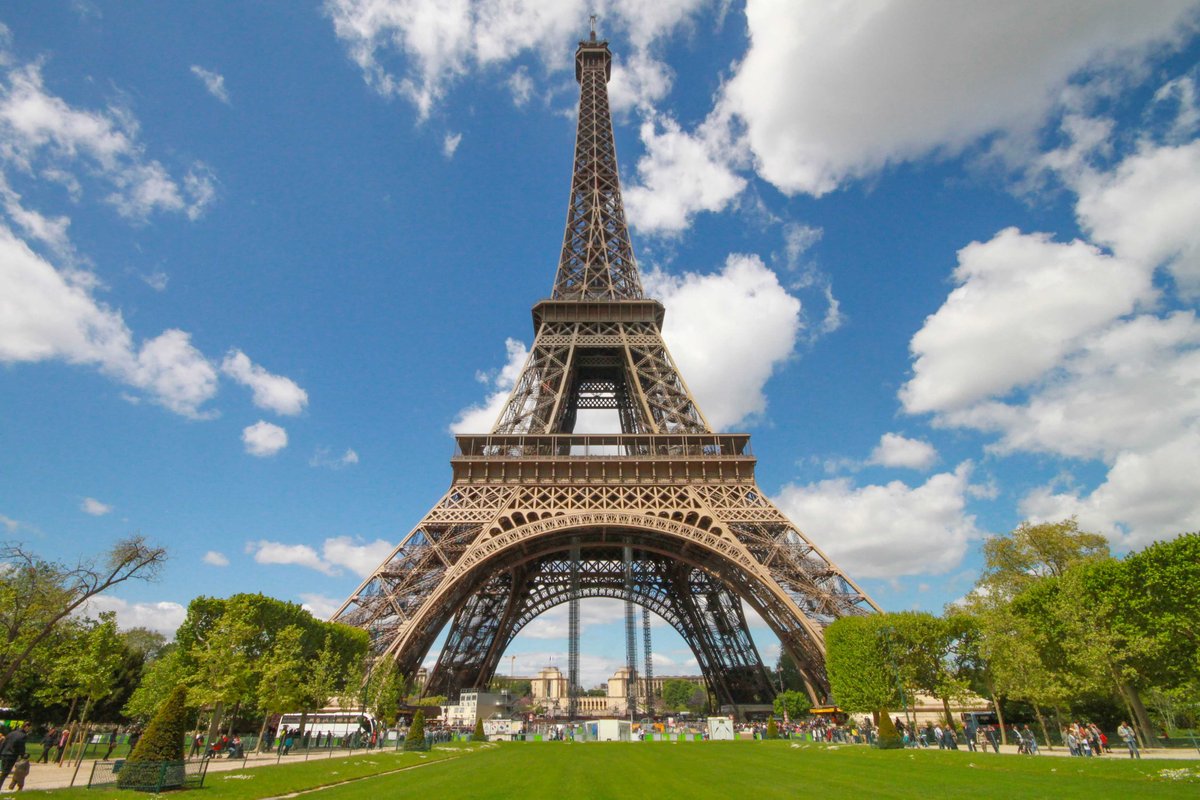
- The Eiffel Tower: Built for the 1889 World’s Fair, this iron lattice structure is the undeniable symbol of Paris. Pro Tip: Book tickets online weeks (or even months) in advance to avoid painfully long lines. For a unique perspective, consider taking the stairs to the second level before taking the elevator to the top.
- The Louvre Museum: Home to masterpieces like the Mona Lisa and the Venus de Milo, the Louvre is a city within a city, housing over 300,000 objects. Don’t try to see it all. Actionable Plan: Pick one or two wings (e.g., Italian Renaissance paintings in the Denon Wing, Egyptian antiquities in the Sully Wing) and dedicate a solid 3-4 hours to them.
- Notre Dame Cathedral: Following the 2019 fire, the cathedral is undergoing a remarkable restoration. While you cannot currently enter, visiting the exterior to witness the reconstruction effort is a powerful experience in itself. The surrounding area in the Île de la Cité remains a beautiful place to explore.
Beyond the Triumvirate: Art, History, and Royal Splendor
Once you’ve anchored your trip with the “Big Three,” expand your horizons.
- Musée d’Orsay: Housed in a magnificent former Beaux-Arts railway station, the Orsay holds the world’s premier collection of Impressionist and Post-Impressionist art. Seeing works by Monet, Van Gogh, and Degas in this light-filled space is unforgettable.
- Palace of Versailles: A short train ride from the city, this opulent palace was the seat of French royal power. Allow a full day to explore the Hall of Mirrors, the vast gardens, and the more intimate estates of the Grand and Petit Trianon.
- Arc de Triomphe: Standing at the head of the Champs-Élysées, this monument honors those who fought and died for France. Climb to the top for a spectacular panoramic view of the city’s twelve avenues radiating from its base. It’s also home to the Tomb of the Unknown Soldier from WWI.
Weaving in the Parisian “Flâneur” Experience
The true magic of a Paris vacation lies between the landmarks. To be a flâneur is to wander the city aimlessly, simply to observe and absorb.
- Seine River Cruise: This is a tourist classic for a reason. It offers a stunning, relaxing perspective on the city’s monuments. An evening cruise, when the buildings and bridges are illuminated, is especially romantic.
- Sidewalk Café Culture: Don’t just grab coffee to go. Pick a café in a lively neighborhood like Saint-Germain-des-Prés or Le Marais, order a café crème, and watch the world go by.
- Explore the Champs-Élysées: More than just a luxury shopping street, this mile-long avenue connects the Arc de Triomphe with the Place de la Concorde. It’s a grand promenade and the famous finish line for the Tour de France.
Your On-the-Ground Paris Vacation Playbook
A little preparation goes a long way in making your trip smoother and more enjoyable.
Mastering Museum Entry: The Pass vs. Single Tickets
The Paris Museum Pass offers entry to over 50 museums and monuments. But is it right for you?
- A Museum Pass might be for you if: You plan to visit at least two major museums per day for two or more consecutive days. The main benefit is skipping the ticket-buying line (though not security lines) and the convenience of a single purchase.
- Single tickets are better if: You only plan to visit one museum per day or want to spread your museum visits throughout your trip. Buying tickets directly from each museum’s official website in advance is often the best way to secure a specific entry time.
Navigating the City Like a Local
Paris is a wonderfully walkable city, but its public transport is excellent for covering longer distances.
- The Métro: The subway is fast, efficient, and extensive. Buy a carnet (a pack of 10 single tickets at a reduced price) or a Navigo Découverte weekly pass (valid from Monday to Sunday) for the best value.
- Walking: The best way to discover hidden courtyards, charming boutiques, and local markets is on foot. Plan your days by neighborhood (arrondissement) to maximize your time and minimize backtracking.
The Art of the Parisian Café
Participating in café culture is a quintessential Paris experience.
- Choose your spot: Prices often vary depending on where you sit—cheapest at the bar (au comptoir), mid-range at a table inside (en salle), and most expensive on the terrace (en terrasse).
- Order simply: A simple “Un café, s’il vous plaît” (one coffee, please) will get you an espresso. For a coffee with steamed milk, ask for a “café crème.”
- Linger: Once you’ve ordered, the table is yours. There is no pressure to leave. This is your time to read, write, or simply watch Parisian life unfold.
Quick Answers to Common Paris Vacation Questions
Q: Is a Paris vacation expensive?
A: It can be, but it doesn’t have to be. While 5-star hotels and Michelin-starred dining come with a high price tag, you can manage costs significantly. Opt for a hotel in a less central but well-connected neighborhood (like the 11th or 14th arrondissement), enjoy delicious meals from bakeries (boulangeries) and markets for lunch, and take advantage of free attractions like walking through the city’s beautiful parks and gardens.
Q: How many days are enough for a first-time Paris vacation?
A: Four to five full days is a good minimum for a first visit. This allows you to see the major highlights without feeling completely rushed. With seven days or more, you can explore at a more relaxed pace, venture into different neighborhoods, and even take a day trip to a place like Versailles or Giverny.
Q: Can I get by with just English in Paris?
A: Yes, in most tourist areas, hotels, and major restaurants, you can get by with English. However, Parisians greatly appreciate it when you make an effort. Learning a few basic phrases goes a long way. Always start an interaction with a polite “Bonjour” (hello) and end with “Merci” (thank you) and “Au revoir” (goodbye).
Q: Is the Eiffel Tower worth going up?
A: For the iconic experience and the direct, top-down view of the city, yes. However, if your main goal is to get a great photo of the Paris skyline with the Eiffel Tower in it, the best vantage points are elsewhere. The top of the Montparnasse Tower or the Arc de Triomphe offers breathtaking panoramic views that include the Iron Lady herself.
From Dream to Departure: Your Next Steps
Your unforgettable Paris vacation is closer than you think. Instead of feeling overwhelmed by the possibilities, take these simple, concrete steps to bring your trip into focus.
- Pinpoint Your Travel Window: Review the seasons. Do you prefer the vibrant energy of June or the crisp, quiet atmosphere of October? Choose a 1-2 month window that aligns with your ideal trip.
- List Your “Must-Do” Trio: What are the three non-negotiable experiences for you? Is it seeing the Mona Lisa, picnicking in front of the Eiffel Tower, and taking a cooking class? Write them down. This will be the anchor for your itinerary.
- Sketch a Daily Theme: Don’t overschedule. Instead, assign a theme to each day. For example: “Museum Monday” (Louvre & Orsay), “Royal Tuesday” (Versailles), “Wandering Wednesday” (Le Marais & Latin Quarter). This structure provides direction without being rigid.
By breaking down the planning into these manageable pieces, you transform a daunting task into an exciting prelude to the journey itself—a journey of art, history, and romance in the one and only City of Light.