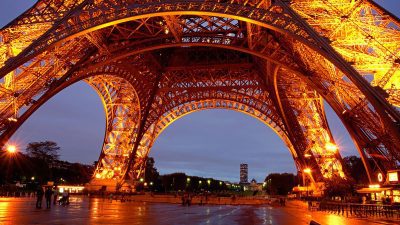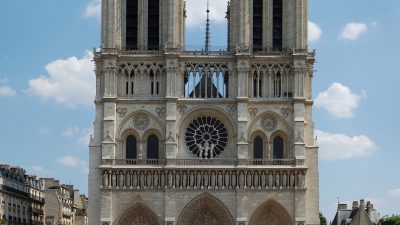
Choosing from the endless list of Paris tour packages can feel like trying to pick the perfect pastry from a world-class pâtisserie—overwhelming, yet promising a delightful reward. You want to see the Eiffel Tower sparkle and wander the Louvre, but you also want to avoid the logistical headaches of booking tickets, navigating the Métro, and missing out on the quiet, charming moments. The right package doesn’t just show you Paris; it lets you experience it, turning a simple vacation into a seamless, unforgettable story.
At a Glance: Your Guide to Choosing the Best Paris Tour
- Decode the Lingo: Learn the crucial differences between fully escorted, independent, and themed tour packages to find your perfect travel style.
- Identify True Value: Uncover what a good package includes—from centrally located hotels to skip-the-line access—and spot the hidden costs that can inflate your budget.
- Match the Tour to Your Persona: Discover whether you’re a “First-Time Icon-Hunter,” a “Romantic Weekender,” or an “Art History Aficionado” and find the itinerary that fits.
- Get a Simple Vetting Framework: Use our step-by-step guide to compare packages effectively and ask the right questions before you commit.
- Avoid Common Pitfalls: Understand why the cheapest package is rarely the best and how to prioritize an experience that maximizes your time and enjoyment.
Not All Paris Tours Are Created Equal: Finding Your Perfect Fit
The term “tour package” covers a wide spectrum of travel styles. The key to a successful trip is selecting one that aligns with your desire for structure, freedom, and focus. Think of it as choosing your travel operating system—some are all-inclusive and automated, while others offer a basic framework for you to customize.
The Fully Escorted Tour: Maximum Guidance, Zero Hassle
This is the classic, all-inclusive approach. A fully escorted tour handles nearly everything: flights, hotels, ground transportation, a set number of meals, and a detailed itinerary led by a professional guide. You travel with a group, often by coach, from one landmark to the next.
- Who it’s for: First-time visitors to Europe, solo travelers who appreciate built-in companionship, and anyone who wants to see the highlights without the stress of planning.
- A practical example: A 7-day “Parisian Splendor” package might include a guided tour of the Louvre (bypassing the main queue), a trip to the Palace of Versailles, a dinner cruise on the Seine, and all your breakfasts. Your guide manages the schedule, leaving you free to simply soak in the sights.
The Independent or Hosted Tour: Freedom with a Safety Net
For travelers who cringe at the thought of a rigid schedule, an independent package offers the perfect balance. It typically bundles the essentials—flights and hotel—and might include a few key perks like airport transfers and a multi-day museum pass. The rest of your time is yours to design.
- Who it’s for: Confident travelers who enjoy spontaneous discovery but appreciate the cost savings and convenience of bundled core components.
- A practical example: Your package secures you a 5-night stay in a charming hotel in Le Marais and a 4-day pass for public transport. You have a reservation for an Eiffel Tower ascent on Tuesday, but Wednesday is completely open for you to explore Montmartre’s cobblestone streets at your own pace.
Understanding these basic types is the first step. For a broader overview of all planning options, you can Explore Paris vacation packages to see how they fit into a total trip strategy.
The Themed Tour: Deep Dives for the Passionate Traveler
Themed tours are designed for those who want to go beyond the surface. These packages are built around a specific interest, transforming your trip into an immersive learning experience. The focus is on quality and depth over quantity of sights.
- Who it’s for: Foodies, art lovers, history buffs, or even second-time visitors who want to explore a niche interest.
- A practical example: A “Culinary Heart of Paris” tour might skip the long museum lines in favor of a hands-on croissant-making class, a guided tasting tour of a local market like Marché d’Aligre, and a wine-pairing dinner led by a sommelier.
Beyond the Brochure: The Anatomy of a Great Tour Package
The slick photos and catchy slogans on a travel website only tell half the story. The real value of Paris tour packages is hidden in the details. Knowing what to look for will help you distinguish a truly exceptional experience from a cleverly marketed disappointment.
Inclusions vs. Optional Extras: Where the Real Cost Hides
A low upfront price can be tempting, but it often means many key experiences are “optional add-ons.” A quality package is transparent about what’s covered.
| Commonly Included | Often an “Optional Extra” |
|---|---|
| Hotel accommodations | Entrance fees to specific exhibits |
| Breakfasts (daily) | Most lunches and dinners |
| Transportation between cities | Evening shows (e.g., Moulin Rouge) |
| Guided tours of major sites (Louvre, etc.) | Tips for guides and drivers |
| Airport transfers | Day trips to places like Giverny |
| Before booking, make a list of everything listed as optional and estimate the additional cost. You may find that a more expensive, “all-inclusive” package is actually the better deal. |
Location, Location, Location: Why Your Hotel’s Arrondissement Matters
Paris is divided into 20 districts called arrondissements. A package that boasts a “Paris hotel” could place you in an outer district, costing you an hour or more in travel time each day. A great package secures lodging in a central, atmospheric neighborhood like Saint-Germain-des-Prés (6th), Le Marais (3rd/4th), or the Latin Quarter (5th).
- Case Snippet: Two packages are priced identically. Package A houses you near the Arc de Triomphe (8th), perfect for strolling the Champs-Elysées. Package B places you in the 15th arrondissement; it’s a safe, residential area, but requires a 25-minute Métro ride to reach Notre Dame. For most tourists, Package A offers far more value by saving precious vacation time.
Group Size and Pace: The Difference Between a Tour and a Herd
The dynamic of your trip is heavily influenced by how many people you’re with. A large coach tour (40+ people) is efficient for covering ground but offers little flexibility. A small-group tour (typically under 16 people) allows for more personal interaction with your guide and the ability to navigate smaller streets and pop into unique shops.
Equally important is the pace. Check the itinerary for phrases like “at your leisure” or “free afternoon.” An itinerary packed with three major museums in one day is a recipe for burnout, not enjoyment. According to travel experts, seeing fewer sights more deeply leads to a much more memorable experience.
Your Paris Package Playbook: From Dream to Booking in 4 Steps
Ready to get practical? Follow this simple framework to narrow down your options and choose with confidence.
Step 1: Define Your Paris Persona
Who are you as a traveler? Your answer will immediately point you toward the right type of package.
| Your Persona | Ideal Package Type | Key Features to Look For |
|---|---|---|
| The First-Time Icon-Hunter | Fully Escorted | Skip-the-line Eiffel Tower, Louvre, and Versailles access. |
| The Romantic Couple | Independent / Hosted | Boutique hotel in Montmartre, Seine dinner cruise, free time for wandering. |
| The Art & History Buff | Themed (Small Group) | In-depth tours of Musée d’Orsay, Sainte-Chapelle; expert guide. |
| The Culinary Explorer | Themed (Food Focus) | Market tours, cooking classes, wine and cheese tastings. |
Step 2: Set Your Budget and Timeline
Paris is magical year-round, but your experience and costs will vary.
- Best Time: May and early June, along with September and October, offer the best combination of pleasant weather and manageable crowds. The high season of July and August can be hot and crowded.
- Budgeting: When calculating your budget, account for the package price plus out-of-pocket expenses. A good rule of thumb is to budget an additional €75-€150 per person per day for lunches, dinners, souvenirs, and unplanned activities.
Step 3: Compare at Least Three Packages Side-by-Side
Don’t fall for the first package you see. Create a simple spreadsheet or checklist to compare your top contenders objectively.
Your Comparison Checklist:
- [ ] Total Price: (Including all taxes and fees)
- [ ] Inclusions: (Flights? Transfers? # of meals? # of guided tours?)
- [ ] Exclusions: (List all “optional” items and their costs)
- [ ] Hotel: (Name and Arrondissement – Google Maps it!)
- [ ] Group Size: (Is it specified? Small group or large coach?)
- [ ] Pace: (How many activities per day? Is there built-in free time?)
- [ ] Reviews: (Look for recent reviews on third-party sites, not just the company’s own page)
Step 4: Ask the Right Questions Before You Book
A reputable tour operator will be happy to answer specific questions. Here are a few to ask:
- “What is the maximum group size for this tour?”
- “Is the entrance fee to the Palace of Versailles included, or just transportation to the grounds?”
- “How much walking is involved on an average day? Is it strenuous?”
- “Are all hotel taxes and city resort fees included in the final price?”
Common Questions About Paris Tour Packages Answered
Are Paris tour packages cheaper than booking everything myself?
Not always on paper, but they often provide better overall value. Tour operators contract hotels and airlines at wholesale rates, a saving that’s passed on to you. More importantly, a package saves you dozens of hours of research and planning. The convenience, expert guidance, and peace of mind are often worth a small price premium.
Will I have any free time on an escorted tour?
A well-designed tour absolutely should. The best itineraries balance structured sightseeing with blocks of free time. Scrutinize the daily schedule for phrases like “afternoon at your leisure” or “evening on your own.” These are your opportunities to find a local café, explore a neighborhood market, or revisit a favorite spot.
What’s the biggest mistake people make when choosing a package?
Focusing solely on the headline price. The cheapest package is often a trap, featuring a poorly located hotel that costs you in time and transportation, and a bare-bones itinerary that forces you to pay for every single activity. The smartest travelers evaluate packages based on value, location, and the quality of the itinerary—not just the initial cost.
When is the best time to book a Paris tour package?
For the best prices and availability, especially for travel during the popular spring and fall seasons, you should aim to book 6 to 9 months in advance. The best small-group tours fill up quickly. While last-minute deals can sometimes be found for off-season travel (like November or February), planning ahead is the most reliable strategy.
Making Your Parisian Dream a Reality
Ultimately, a great Paris tour package isn’t a compromise—it’s a strategic choice. It’s an investment that buys back your most valuable asset on vacation: your time. It frees you from the mental burden of logistics so you can focus on the taste of a fresh croissant, the breathtaking view from the Sacré-Cœur, and the magic of seeing the City of Light live up to its name.
Start by identifying your travel persona. Once you know if you’re a first-timer needing guidance or a foodie seeking culinary adventures, the right package will almost choose itself, transforming your trip from a simple vacation into a curated Parisian story.