The magic of Paris isn’t just in seeing the Eiffel Tower; it’s in the moments between the monuments. It’s the scent of a fresh croissant from a corner boulangerie, the murmur of French conversation at a sidewalk café, the unexpected discovery of a hidden courtyard. Many travelers wonder if they’ll lose these small, authentic moments on Paris group tours. The truth is, the right tour doesn’t replace these experiences—it unlocks them, handling the logistics so you can fully immerse yourself in the city’s soul.
A well-crafted group tour acts as your key to the city, blending must-see landmarks with the kind of local access that’s difficult to find on your own. It’s the difference between just looking at the Louvre and understanding the stories behind its masterpieces.
At a Glance: What You’ll Discover
- The Guided vs. Solo Advantage: Understand the precise benefits of a group tour, from skipping long queues to gaining expert historical context.
- Balancing Icons and Immersion: Learn how modern tours masterfully mix visits to Versailles and the Seine with unstructured time for personal discovery.
- Pacing Your Parisian Adventure: Get practical strategies to maximize your energy and enjoy both scheduled activities and spontaneous exploration.
- Navigating Group Dynamics: Tips for connecting with fellow travelers and making the social aspect a highlight of your trip.
- Actionable Pre-Trip Prep: A simple framework to help you choose the right tour and prepare for a seamless experience.
The Group Tour Advantage: More Than Just a Schedule
The biggest misconception about Paris group tours is that they’re a rigid, one-size-fits-all march from one photo-op to the next. In reality, a modern escorted tour is a curated experience designed to remove friction and add depth. You’re not just a tourist following a flag; you’re a guest being introduced to the city by an expert.
Your Travel Director is the cornerstone of this experience. As one seasoned guide from Trafalgar notes, their job is to help guests “slow down and savour the freshly baked pastries… and mingle with the locals.” They are your on-the-ground concierge, historian, and problem-solver, turning potential travel headaches—like navigating the Métro or securing dinner reservations—into seamless moments.
Consider the Musée du Louvre. On your own, you could spend hours just orienting yourself in its vast halls. With a group, you get privileged access, often bypassing the main queue, and a guide who leads you directly to masterpieces like the Mona Lisa and Winged Victory of Samothrace, sharing insights that bring the art to life. This curated approach is central to the design of multi-day trips, as seen in our broader guide: Explore Paris escorted tours. The time and energy you save are then yours to reinvest in personal exploration.
Crafting Your Perfect Parisian Day: Icons and Independence
The best Paris group tours operate on a principle of structured freedom. They anchor the day with an iconic experience and then intentionally leave space for you to wander, shop, or simply sit and soak in the atmosphere.
The Art of the Itinerary: A Tale of Two Halves
A typical day might look like this:
- Morning (Guided): A guided exploration of the opulent Palace of Versailles. Your art historian guide explains the history behind the Hall of Mirrors and the scandals of the royal court. Transportation is pre-arranged, so you arrive stress-free and ready to explore.
- Afternoon (Independent): You’re dropped off in the charming neighborhood of Montmartre. The tour operator might offer a choice—a visit to the Musée de Montmartre or the Sacré-Coeur Basilica. Afterward, the time is yours. You can follow your guide’s tip for the best crêpes, sketch the artists in Place du Tertre, or simply get lost in the winding, cobblestoned streets.
This blend is critical. It ensures you see the unmissable sights without the logistical burden, while also empowering you to create your own unique Parisian memories. You get the “wow” moment of a champagne toast on an Eiffel Tower dinner, as offered by tours like GoCollette, and the quiet satisfaction of discovering a perfect macaron in a tiny shop in Saint-Germain-des-Prés.
Making the Most of Your Free Time
Your independent time is a valuable part of the tour. Don’t let it go to waste.
- Ask Your Guide for a “Local’s List”: Before you break off, ask your Travel Director for specific, non-touristy recommendations. “Where can I find the best hot chocolate?” or “Is there a quiet park nearby to read for an hour?”
- Plan One Small Goal: Instead of trying to see three more museums, give your free time a simple focus. It could be finding a specific bookstore (like Shakespeare and Company), trying a classic pastry (the Paris-Brest), or visiting a local market.
- Embrace Spontaneity: The real joy is in the unplanned. If you hear music coming from a church, go inside. If a particular street looks inviting, walk down it. This is where you’ll find the Paris that exists beyond the postcards.
The Social Tapestry: Your Fellow Travelers
The “group” in a Paris group tour is often a source of apprehension for first-timers. Will you get along? Will you be stuck with a slow-moving crowd? More often than not, the social dynamic becomes an unexpected highlight.
You’re sharing a profound experience with like-minded people from various backgrounds, all united by a curiosity for travel. Dinners become a time to trade stories from the day’s adventures, and friendships often form over a shared glass of wine.
| Group Dynamic Factor | What to Expect | How to Make It a Pro |
|---|---|---|
| Group Size | Typically 20-40 people, allowing for personal attention from the guide. | Small enough to feel intimate, large enough to find people you click with. |
| Demographics | A mix of ages, nationalities, and travel styles-from solo travelers to couples and families. | A great opportunity to hear diverse perspectives and travel stories. |
| Pacing | The pace is set to accommodate the whole group, which can sometimes feel measured. | Use moments of waiting to take photos, chat with a new friend, or simply observe your surroundings. |
| A small case snippet: On a recent tour, a solo traveler from Canada bonded with a couple from Australia over their shared love for Impressionist art during a visit to the Musée d’Orsay. For the rest of the trip, they used their free time to explore smaller galleries together, enriching the experience for everyone. |
Your Practical Playbook for a Perfect Group Tour
Preparation is key to transforming a good trip into a great one. Here’s how to get ready.
H3: Choosing the Right Tour Focus
Not all Paris group tours are the same. Look at the itinerary’s theme:
- Art & History Focus: These tours dedicate significant time to the Louvre, Musée d’Orsay, Versailles, and may include day trips to Normandy or Giverny. Ideal for history buffs and art lovers.
- Culinary & Culture Focus: These itineraries feature cooking classes, market visits, wine tastings, and curated dining experiences. Perfect for foodies.
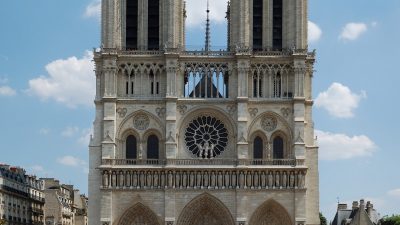
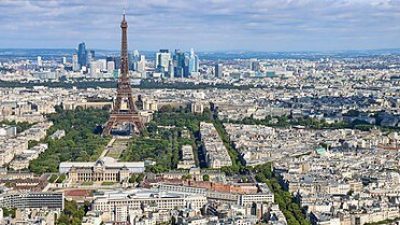
- “Paris Spotlight” Focus: A great option for first-timers, this type of tour covers the major highlights (Eiffel Tower, Notre Dame, Seine cruise) with a good balance of free time.
H3: Packing for Comfort and Style
Paris is a walking city, and group tours are active.
- Footwear is Everything: Pack at least two pairs of comfortable, broken-in walking shoes. You will easily walk 5-10 miles a day.
- Layers are Your Friend: The weather can change quickly. Pack light layers—a scarf, a light jacket, and a sweater—that you can add or remove throughout the day.
- One “Smart” Outfit: Include one slightly dressier outfit for a special dinner or a night at the theater. Paris is stylish, but comfort is still king.
H3: Setting Your Mental Expectations
Go in with the right mindset to get the most out of the experience.
- Embrace the Structure: Appreciate the fact that you don’t have to worry about tickets, transportation, or hotel check-ins. Let go and enjoy the ride.
- Be Flexible: A bus might get stuck in traffic, or a museum wing might be unexpectedly closed. A good guide will have a backup plan. Go with the flow.
- Participate Actively: Ask your guide questions. Engage with your fellow travelers. The more you put in, the more you’ll get out of it.
Quick Answers to Common Questions
Is a Paris group tour worth it for a solo traveler?
Absolutely. It’s one of the best ways to travel solo. You have a built-in social network, the safety of a group, and a guide to handle all the logistics. It removes the intimidation factor of navigating a foreign city alone.
Are the meals on group tours generic?
This is a common fear, but reputable tour companies pride themselves on providing authentic culinary experiences. While some meals may be at the hotel for convenience, many itineraries include dinners at local bistros, food market tours, and even special dining events, like a meal at the Eiffel Tower’s restaurant.
Will I feel rushed moving from one sight to another?
Pacing is a key design element of a quality tour. While the schedule is efficient to maximize what you see, it’s not a frantic race. Ample time is allocated for major sites, and the inclusion of free afternoons and evenings prevents burnout. The goal is to feel energized, not exhausted.
Can’t I save money by just doing it all myself?
While the upfront cost of a tour may seem higher, it often provides better value. When you factor in hotel costs, all transportation, entry fees to numerous attractions, guided services, and some meals, a group tour can be surprisingly cost-effective. Plus, the value of skipping long lines and having an expert guide is priceless.
From Tourist to Temporary Parisian
Choosing a Paris group tour isn’t about giving up your independence; it’s about enhancing your experience. It’s a strategic choice to trade the stress of logistics for the luxury of immersion. You’re free to focus on the intricate details of a stained-glass window at Sainte-Chapelle, the taste of a perfectly aged Comté cheese, and the breathtaking view from the top of the Arc de Triomphe.
The right tour will not only show you the city’s iconic landmarks but will also reveal its subtle charm. You’ll leave not just with photos, but with a deeper connection to the art, history, and unmistakable joie de vivre that makes Paris a city you don’t just visit, but one you feel.